 简体中文
简体中文 English
 русский
 Español
Fubang is a professional manufacturer specializing in the design, production and sales of stainless steel chains.
Our A series short pitch precision roller chains comply with various international standards and are...
See Details
Content
In the world of material handling and industrial machinery, the selection of the right chain is a critical decision that impacts efficiency, safety, and operational costs. Free flow chains, known for their smooth, low-friction operation on accumulation conveyors, are a common sight in packaging, bottling, and light assembly. But a persistent question arises among engineers and plant managers: Can these chains reliably perform in heavy-duty applications? This article will provide a detailed, balanced examination of free flow chains, exploring their design, inherent strengths, limitations, and the specific conditions under which they might—or might not—be suitable for demanding tasks. The goal is to move beyond marketing claims and offer a practical, engineering-focused perspective.
To answer the question, we must first understand what a free flow chain is. Unlike a standard roller chain designed primarily for power transmission, a free flow chain is engineered for low-pressure accumulation conveying.
Its key design characteristics include:
This design prioritizes smooth product handling and accumulation over high tensile strength or impact resistance.
“Heavy-duty” is a broad term. For clarity, we must define it in operational contexts:
For most classic heavy-duty applications, a traditional polymer-roller free flow chain is not the optimal choice, and often a poor one. Here’s why:
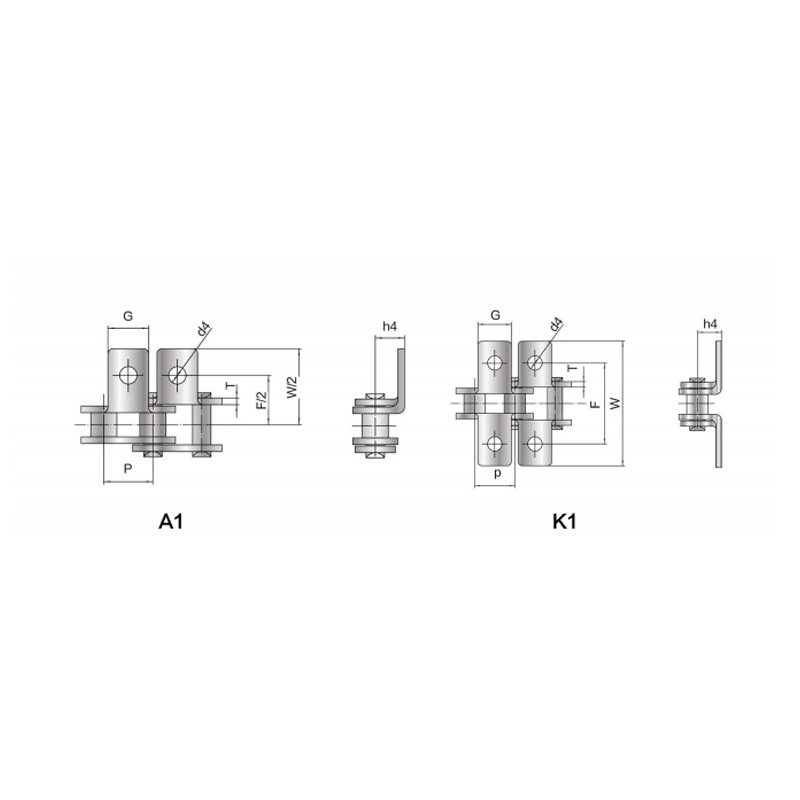
The answer is not a simple “no.” Engineering advancements have created specialized categories of free flow chains that push into medium- to heavy-duty realms. The key is matching a specifically engineered product to a well-defined application.
If you are considering a free flow chain for a demanding application, follow this structured evaluation:
So, can free flow chains be used for heavy-duty applications?
For traditional, extreme heavy-duty applications—such as mining, forestry, heavy incline conveying, or handling massive, shock-inducing loads—standard free flow chains are unsuitable and potentially dangerous. In these realms, dedicated heavy-duty drive and conveyor chains are the unequivocal choice.
However, within the spectrum of unit handling and accumulation conveying, the definition of “heavy-duty” has expanded. Through the use of metal rollers, reinforced designs, and hybrid engineering, modern free flow chains can reliably perform in medium- to heavy-duty applications such as:
The final verdict rests on precise application engineering. By abandoning a one-size-fits-all mindset and rigorously analyzing load, tension, environment, and duty cycle, you can determine if a specialized free flow chain is a robust and efficient solution or if a different chain technology is necessary. Always prioritize specifications and verified data over general categorizations, and when in doubt, err on the side of over-specification for safety and longevity.
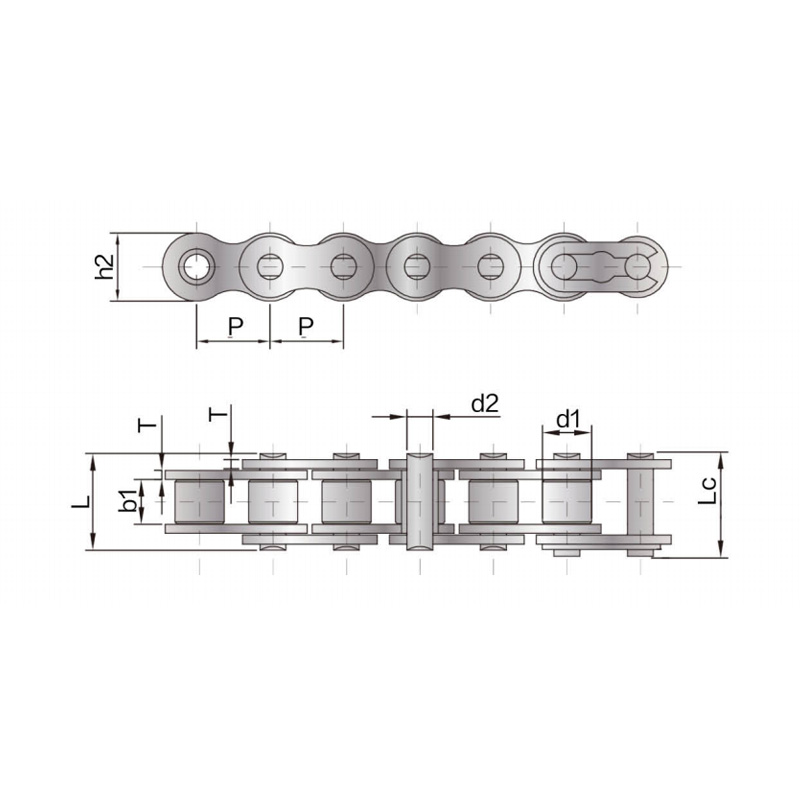
Our A series short pitch precision roller chains comply with various international standards and are...
See Details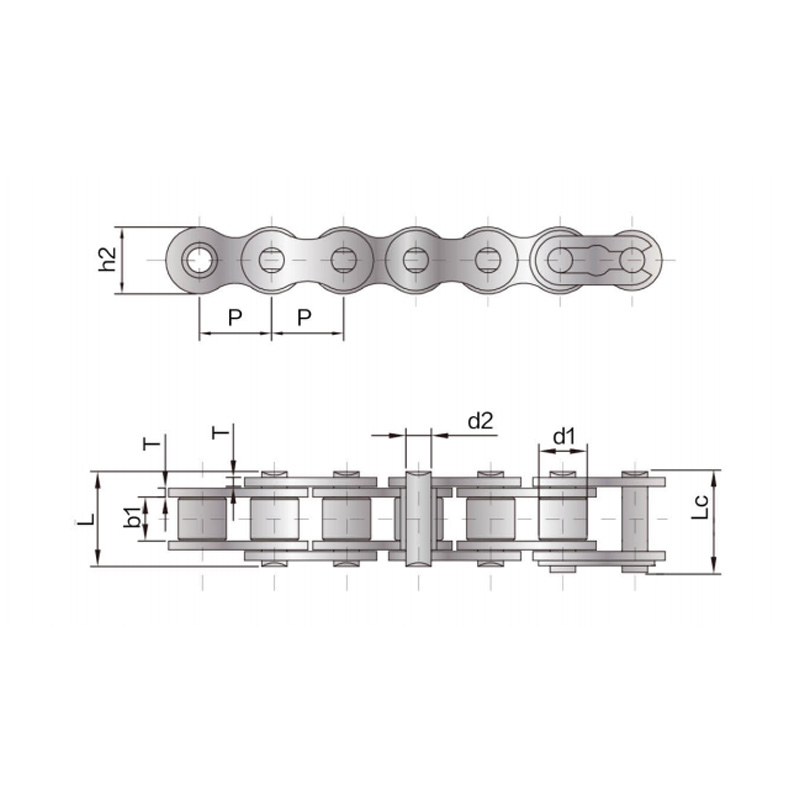
The tensile strength and fatigue strength of the B series short pitch precision roller chain reach 1...
See Details
The Heavy-duty precision roller chain adopts a thickened chain plate design based on the short-pitch...
See Details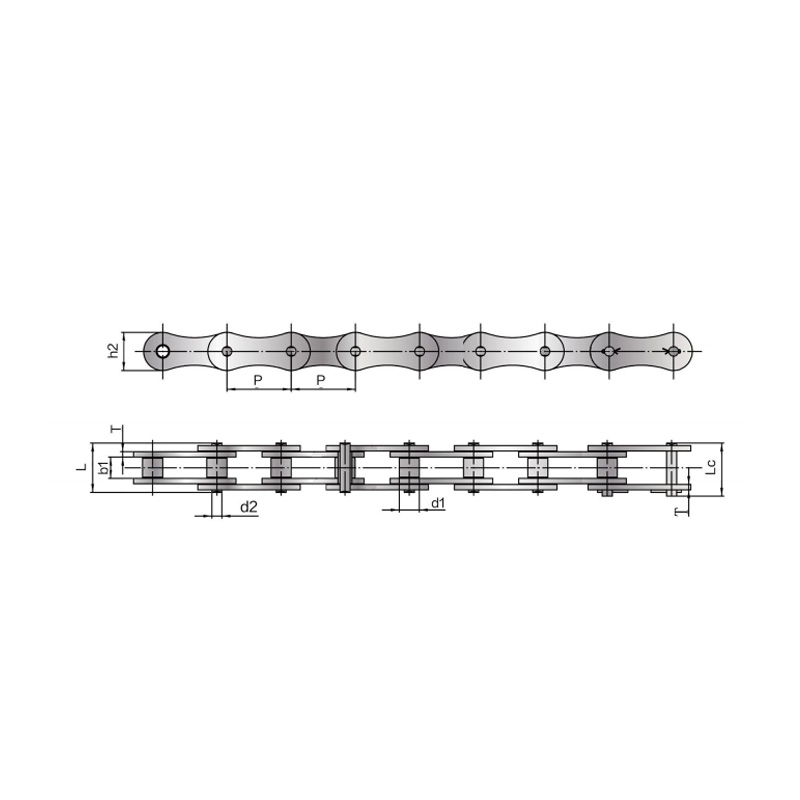
The double pitch driving chain complies with various international standards. The pitch of the doubl...
See Details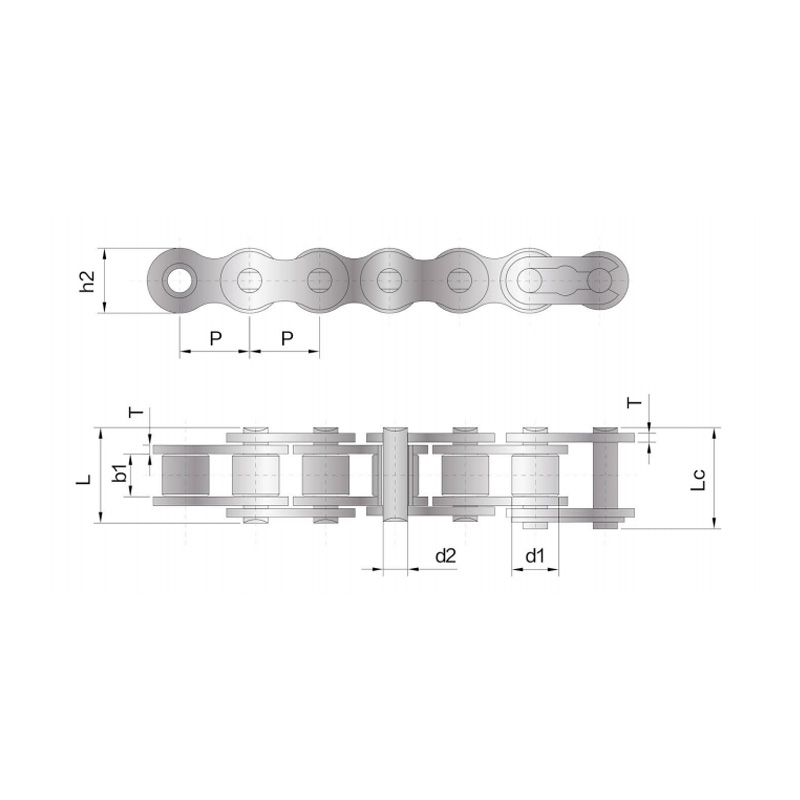
We also produce single row roller drive chains in more sizes and varieties. Customised products, sui...
See Details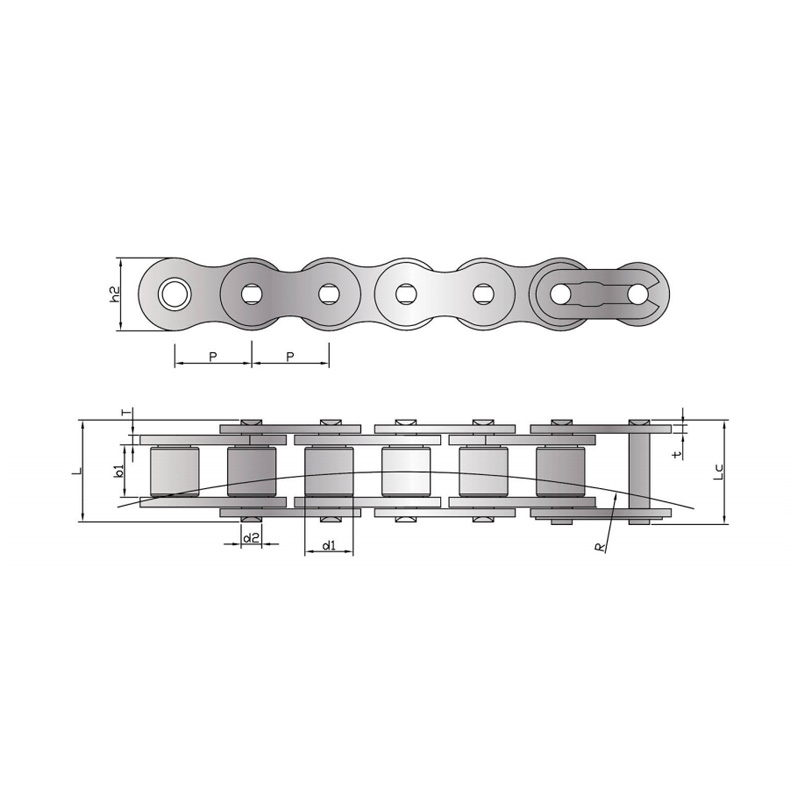
Side bow chain refers to changing the size of parts in the design of short-pitch precision roller ch...
See Details
The Anti-Sidebow chain for pushing window is a functional product with specially designed parts and ...
See Details
The A series short-pitch straight plate precision roller chain has a smaller pitch, a relatively lar...
See Details© Suzhou Fubang Machinery Chain Transmission Manufacturing Co., Ltd. Stainless Steel Roller Chains Manufacturers Conveyor Chains Suppliers
