 简体中文
简体中文 English
 русский
 Español
Fubang is a professional manufacturer specializing in the design, production and sales of stainless steel chains.
Our A series short pitch precision roller chains comply with various international standards and are...
See Details
Content
A correctly specified and maintained drive chain delivers up to 98% mechanical efficiency—making it one of the most reliable power transmission options in industrial engineering. Yet a poorly chosen chain can fail in weeks, causing unplanned downtime that costs far more than the chain itself. The difference almost always comes down to three decisions: chain type, material, and maintenance routine.
A drive chain—also called a driving chain—is a mechanical component that transmits torque and rotational motion between two shafts via a system of sprockets. Unlike belt drives, which rely on friction, chain drives use positive mechanical engagement between the chain links and sprocket teeth. This eliminates slippage, maintains precise speed ratios, and allows the system to handle heavy, variable, or shock loads without performance loss.
Drive chains are used across mechanical engineering, logistics, agricultural machinery, packaging lines, automotive manufacturing, and more. Their key advantages over belt drives include higher load capacity, suitability for harsh environments (wet, oily, or high-temperature), and longer service life under continuous operation.
Selecting the wrong chain type is the most common—and most costly—mistake in drive system design. Here are the types most frequently used in industrial applications:
| Chain Type | Key Feature | Typical Application |
|---|---|---|
| Short Pitch Precision Roller Chain (A/B Series) | High tensile & fatigue strength; ANSI/ISO/DIN compliant | General machinery, packaging, automotive |
| Heavy Duty Roller Chain | Thickened chain plates for extra load capacity | Mining, construction, heavy industrial equipment |
| Double Pitch Driving Chain | Pitch is twice standard; lighter weight per meter | Low-speed drives, cost-sensitive applications |
| Side Bow Chain | Designed to flex laterally around curves | Curved conveyor and transfer systems |
| Anti-Sidebow Chain (Push-Pull) | Rigid in compression and tension | Window actuators, linear push mechanisms |
For standard power transmission, A series short pitch precision roller chains compliant with ANSI and ISO standards cover the majority of industrial scenarios. When loads are exceptionally high, a heavy-duty roller chain with reinforced plate design is the more reliable choice.
Chain selection comes down to five variables. Get these right, and the chain will outlast your expectations. Get them wrong, and you'll be replacing it far too soon.
For applications with variable center distances or space constraints, double pitch driving chains offer a lighter and more economical solution without sacrificing load capacity at lower speeds.
A well-maintained drive chain lasts 2–4 times longer than a neglected one. The three maintenance actions with the greatest impact are:
In dusty or dirty environments, sealed-bearing roller chains with O-ring or X-ring seals retain internal lubrication and block contaminant ingress—a worthwhile upgrade that pays back quickly in reduced maintenance labor.
Carbon steel chains are the default for most dry, indoor, non-corrosive applications. They offer the highest strength-to-cost ratio and are available in the widest size range. However, they require consistent lubrication and will corrode in humid or chemical-exposed environments.
Stainless steel driving chains—available in grades from SS304 for general corrosion resistance to SS2205 duplex for highly aggressive media—are mandatory in food processing, pharmaceuticals, chemical plants, and outdoor applications. The premium in material cost is consistently recovered through reduced replacement frequency and elimination of contamination risk. For full product specifications across stainless grades, the complete driving chain product range covers standard and custom configurations from A/B series through heavy-duty and specialty designs.
If your system runs at moderate speed with predictable loads in a clean, dry environment—a standard A or B series short pitch roller chain in carbon steel is the correct and most cost-effective answer. If loads are heavy, conditions are harsh, or hygiene standards apply, move to heavy-duty or stainless variants and match the alloy grade to the specific chemical exposure. When the path curves or the drive must push as well as pull, side bow or anti-sidebow chain designs solve problems that standard roller chains cannot.
The right drive chain is never the cheapest one—it is the one that keeps running longest at the lowest total cost of ownership. Specify correctly from the start, maintain the tension and lubrication schedule, and monitor elongation before it damages your sprockets. Those three habits alone eliminate the majority of premature chain failures.
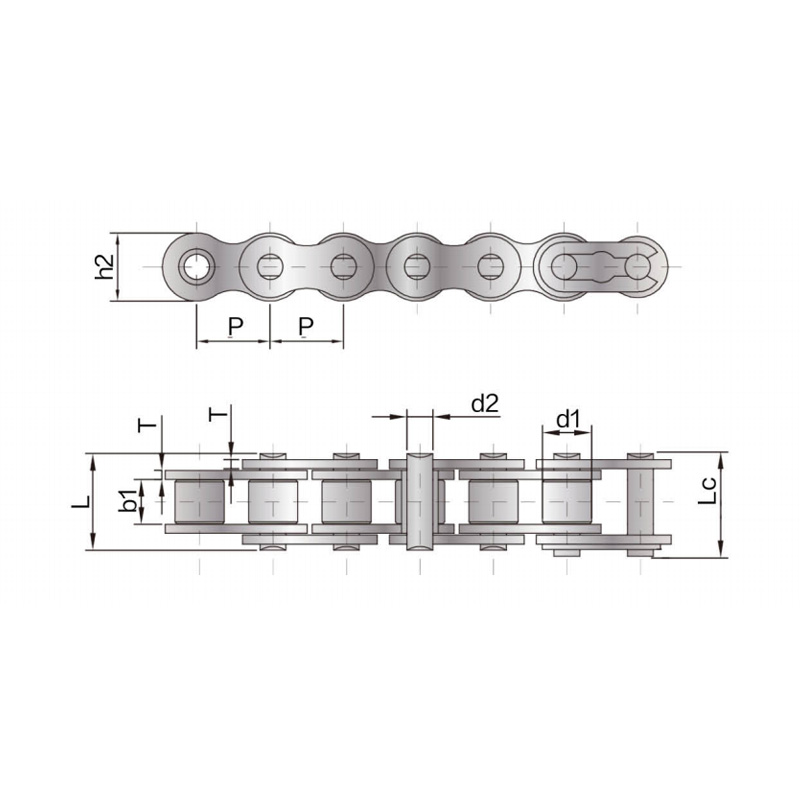
Our A series short pitch precision roller chains comply with various international standards and are...
See Details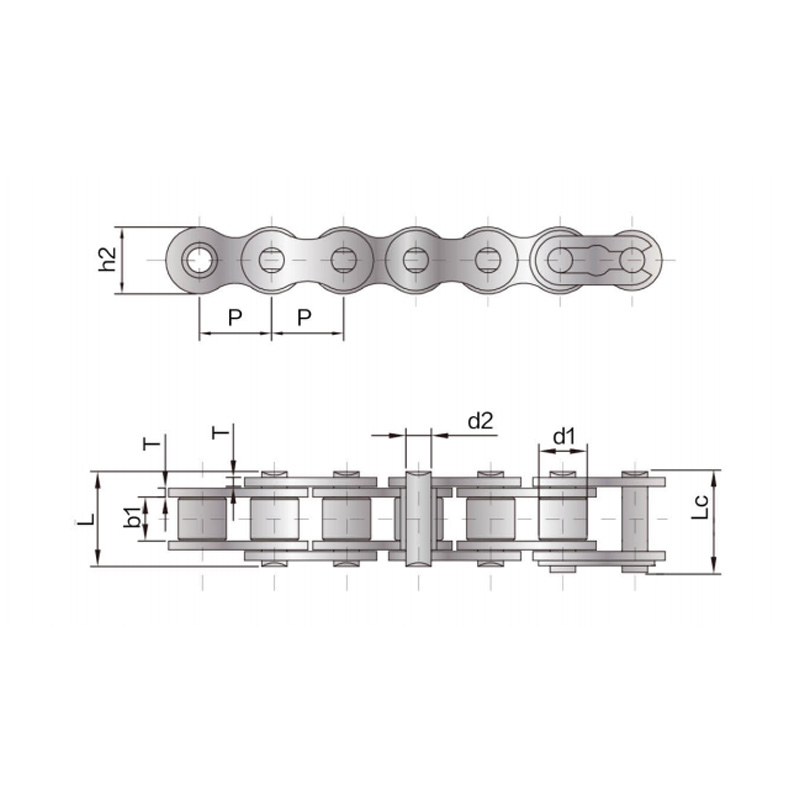
The tensile strength and fatigue strength of the B series short pitch precision roller chain reach 1...
See Details
The Heavy-duty precision roller chain adopts a thickened chain plate design based on the short-pitch...
See Details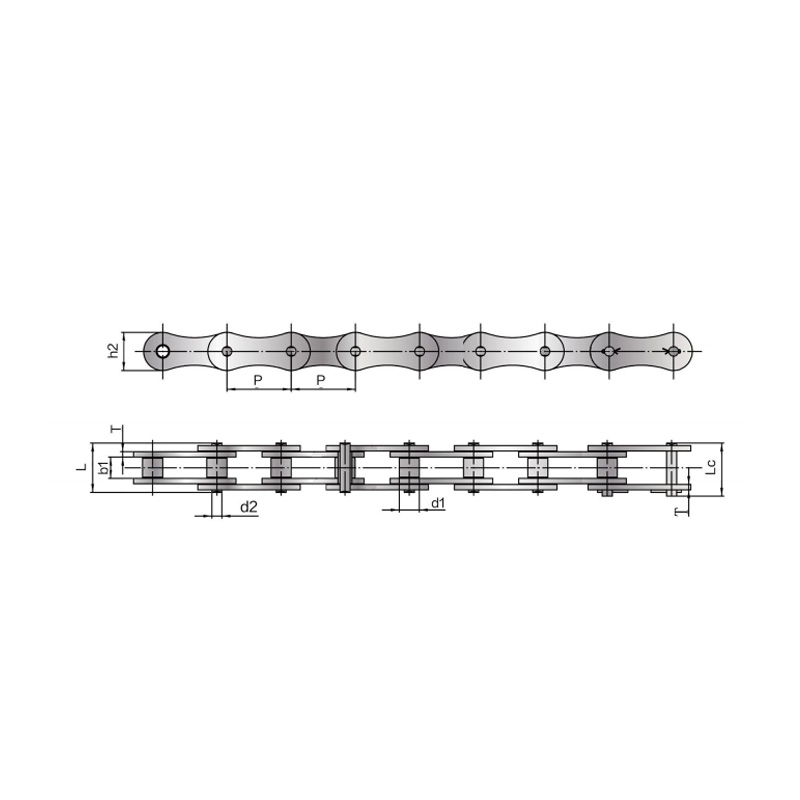
The double pitch driving chain complies with various international standards. The pitch of the doubl...
See Details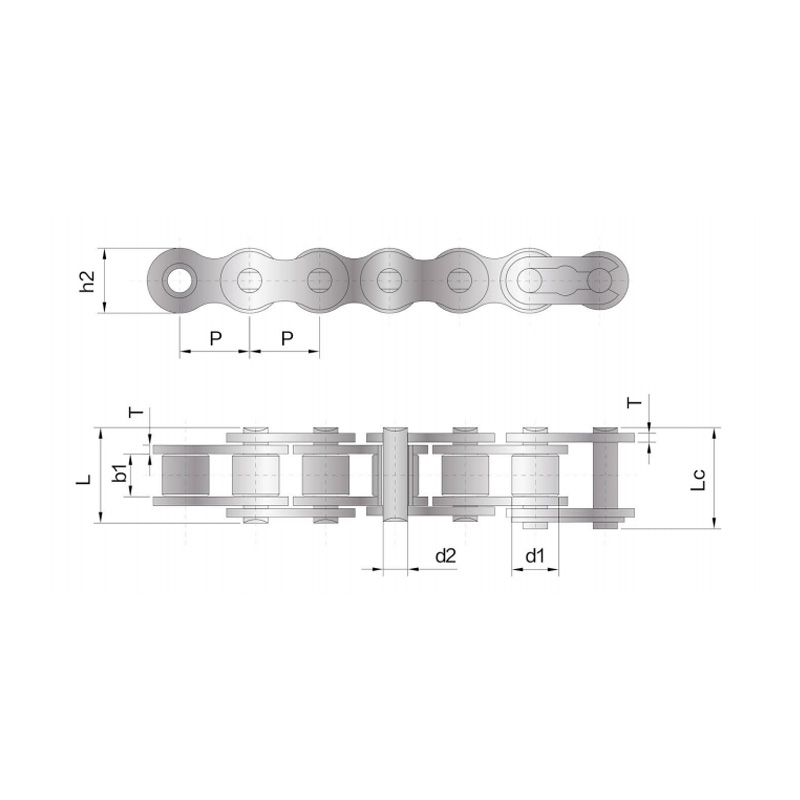
We also produce single row roller drive chains in more sizes and varieties. Customised products, sui...
See Details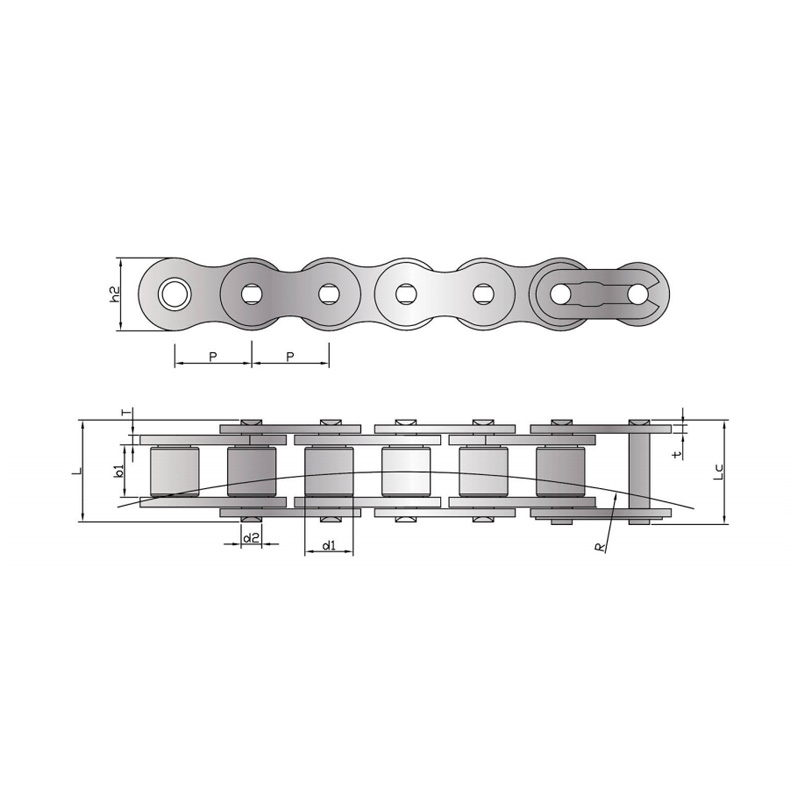
Side bow chain refers to changing the size of parts in the design of short-pitch precision roller ch...
See Details
The Anti-Sidebow chain for pushing window is a functional product with specially designed parts and ...
See Details
The A series short-pitch straight plate precision roller chain has a smaller pitch, a relatively lar...
See Details© Suzhou Fubang Machinery Chain Transmission Manufacturing Co., Ltd. Stainless Steel Roller Chains Manufacturers Conveyor Chains Suppliers
