 简体中文
简体中文 English
 русский
 Español
Fubang is a professional manufacturer specializing in the design, production and sales of stainless steel chains.
Our A series short pitch precision roller chains comply with various international standards and are...
See Details
Content
Welded offset chains are built for punishment — heavy loads, low speeds, abrasive dust, and harsh forestry environments. But even the toughest chain fails early without the right maintenance routine. This guide covers exactly what you need to do to keep your chain running longer and performing reliably.
Welded offset chains are constructed from two bent chain plates and a sleeve welded together — no rollers. This design makes them ideal for low-speed, high-load applications, but it also means the sleeve-to-pin contact area absorbs most of the wear. The WR series (heat-treated pins and sleeves only) and WH series (all parts heat-treated) have different wear tolerances, so know which series you're running before setting your maintenance schedule.
Welded offset chains operate in dusty, debris-filled environments where dry-running accelerates wear dramatically. Lubricate at regular intervals using a heavy-duty chain oil or grease that can penetrate the pin-sleeve interface. In high-dust conditions, use a thicker grease rather than a light oil — it resists contamination better. Clean off old grease and embedded grit before reapplying, as abrasive buildup acts like sandpaper on the contact surfaces.
Rule of thumb: lubricate every 8–40 operating hours depending on dust exposure and load intensity. High-impact forestry applications need the shorter interval.
Chain elongation is the primary indicator that replacement is approaching. Measure a fixed number of links and compare against the original pitch specification. A general replacement threshold is 2–3% elongation — beyond this, the chain will no longer mesh correctly with the sprocket, accelerating failure of both components. Also inspect welds for cracking, especially at the plate-sleeve junction, which is the highest-stress point under impact loading.
| Inspection Point | What to Look For | Action |
|---|---|---|
| Chain elongation | >2–3% over nominal pitch | Replace chain |
| Pin wear | Visible scoring or diameter reduction | Replace affected links |
| Weld integrity | Cracks at plate-sleeve joints | Replace immediately |
| Lubrication state | Dry surfaces, grit buildup | Clean and re-lubricate |
Over-tensioning is one of the most common causes of premature chain failure. Excessive tension puts constant strain on welds and pin-sleeve joints, even when loads are light. Under-tensioning causes slap and shock loading on sprocket teeth. Check tension after the first 8–10 hours of operation on a new chain — initial seating causes slight elongation — and adjust to the manufacturer's recommended sag specification for your drive configuration.
Using a WR series chain in an environment that demands full heat treatment (all parts) will cut service life significantly. For severe impact, abrasion, and heavy forestry loads, the WH series is the correct choice. Choosing the right specification from the start is the most cost-effective way to extend lifespan. If you're unsure which grade suits your conditions, explore the full range of welded chains to compare specifications before ordering.
A worn sprocket accelerates chain wear — and a new chain on a worn sprocket will wear out far faster than expected. Inspect sprocket teeth for hooking, shark-fin shaping, or uneven wear whenever you inspect the chain. As a practical guideline, replace sprockets every second chain replacement at minimum, or immediately if tooth profiles show visible deformation.
Logging lubrication dates, elongation measurements, and replacement intervals gives you the data to predict failures before they happen. After two or three replacement cycles, patterns emerge — you'll know exactly how many hours your chain delivers under your specific load and environment. That data eliminates guesswork and avoids both premature replacement and costly unplanned downtime.
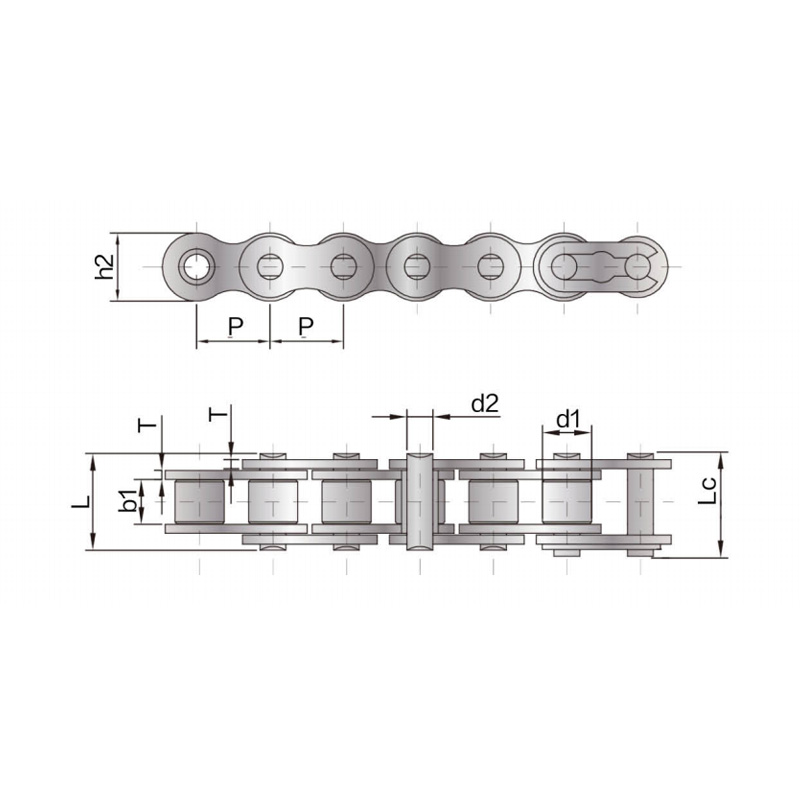
Our A series short pitch precision roller chains comply with various international standards and are...
See Details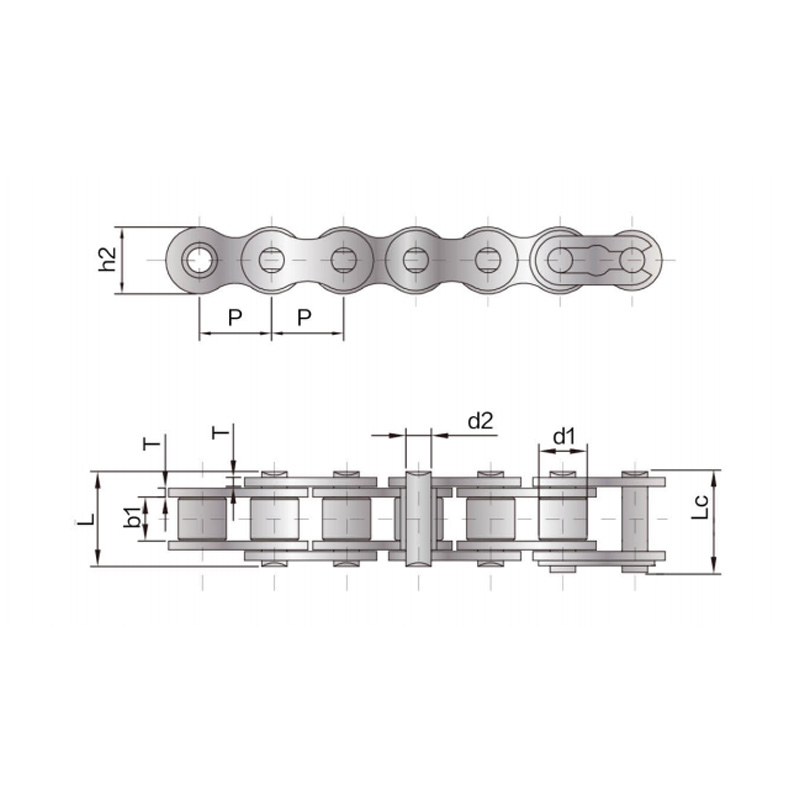
The tensile strength and fatigue strength of the B series short pitch precision roller chain reach 1...
See Details
The Heavy-duty precision roller chain adopts a thickened chain plate design based on the short-pitch...
See Details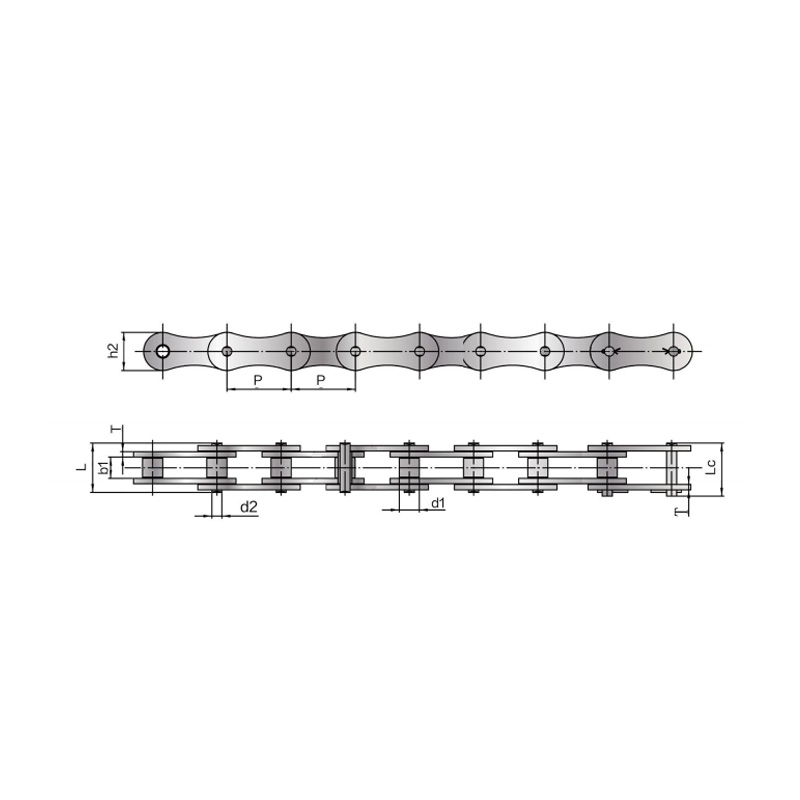
The double pitch driving chain complies with various international standards. The pitch of the doubl...
See Details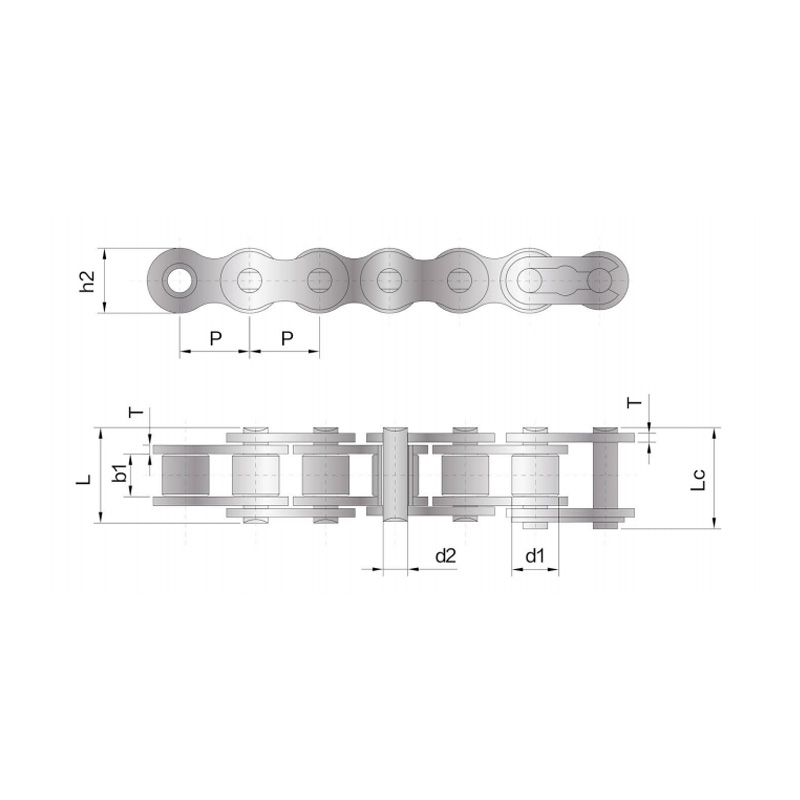
We also produce single row roller drive chains in more sizes and varieties. Customised products, sui...
See Details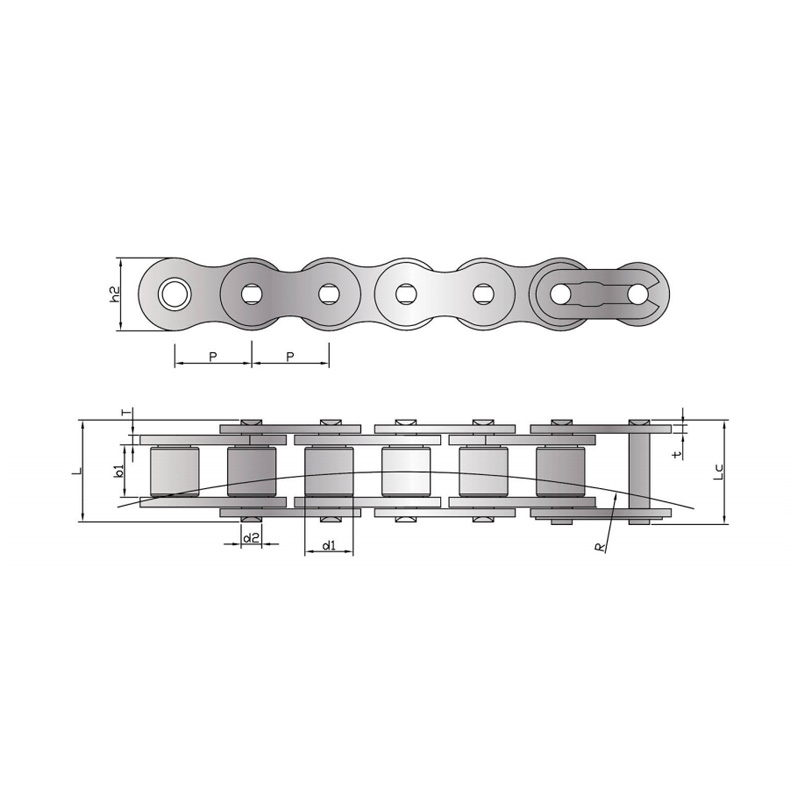
Side bow chain refers to changing the size of parts in the design of short-pitch precision roller ch...
See Details
The Anti-Sidebow chain for pushing window is a functional product with specially designed parts and ...
See Details
The A series short-pitch straight plate precision roller chain has a smaller pitch, a relatively lar...
See Details© Suzhou Fubang Machinery Chain Transmission Manufacturing Co., Ltd. Stainless Steel Roller Chains Manufacturers Conveyor Chains Suppliers
