 简体中文
简体中文 English
 русский
 Español
Fubang is a professional manufacturer specializing in the design, production and sales of stainless steel chains.
Our A series short pitch precision roller chains comply with various international standards and are...
See Details
Content
In municipal and industrial wastewater treatment facilities, chains drive the primary mechanisms that separate solids, convey sludge, and operate screens. These chains are constantly exposed to abrasive particles, corrosive chemicals such as hydrogen sulfide and chlorine, and fluctuating mechanical loads. A failure in a sludge scraper chain, for example, can shut down an entire clarifier for days. The direct answer to achieving reliable operation is to install chains built from corrosion-resistant stainless steel grades with hardened load-bearing components. Such chains routinely deliver 8 to 12 years of service in aggressive environments when paired with proper tensioning and lubrication.
When a chain breaks, the resulting downtime can cost a mid-sized plant over $10,000 per day in bypass penalties and emergency repairs. A preemptive approach to chain specification is far cheaper than reactive replacement, making material and design choices critical from the outset.
The first variable in chain longevity is the base alloy. Ordinary carbon steel chains corrode rapidly in wastewater, while stainless steels resist pitting and crevice corrosion. The table below compares commonly specified grades.
| Stainless Steel Grade | Corrosion Resistance | Tensile Strength (MPa) | Typical Use |
|---|---|---|---|
| SS304 | Good in mild chemical conditions | 515 - 720 | Secondary treatment, clean water return |
| SS316 | Excellent in chloride and acid environments | 515 - 690 | Primary clarifiers, sludge thickeners |
| SS2205 Duplex | Superior resistance to pitting and stress corrosion | 680 - 880 | Harsh industrial wastewater, high chloride levels |
| SS410 Martensitic | Moderate, can be hardened | 700 - 950 (after heat treatment) | Wear parts, shafts, pinions |
Choosing the correct grade depends on the specific chemical profile of the wastewater. Plants with elevated chloride concentrations above 1000 ppm should avoid SS304 and opt for SS316 or duplex grades to prevent stress corrosion cracking.
SS304 and SS316 are austenitic alloys widely used for their formability and resistance. SS316, with its molybdenum addition, withstands the acidic conditions often found in sludge digestion. Data from municipal plants show that SS316 chains in primary clarifiers exhibit a corrosion rate below 0.05 mm per year when pH remains between 4 and 10.
For facilities treating chemical-laden industrial waste, duplex SS2205 offers twice the yield strength of SS316 and superior pitting resistance (PREN greater than 34). Its higher mechanical strength allows chains to handle shock loads without deformation, making it suitable for heavy scrapers in hazardous chemical environments.
Not all sewage treatment chains are identical. The chain type must align with the motion and load profile of the equipment.
Selecting the correct pitch and width ensures compatibility with existing sprockets. Standard pitches range from 50.8 mm to 101.6 mm (2 to 4 inches) for most municipal sludge conveyors.
Beyond material choice, specific engineering details dramatically affect chain durability.
The pin-bush interface is the primary wear point. Chains designed with case-hardened pins and lubricated bushings exhibit 30 to 50% lower wear rates than standard configurations. Manufacturers often precision-grind the bush interior to Ra 0.4 micrometres to reduce friction and extend lubrication intervals.
Even the best chain cannot deliver its design life without proper care. A systematic maintenance program should include:
Documenting elongation trends and corrosion rates allows maintenance teams to predict chain life and order replacements proactively, minimizing unplanned downtime. In summary, investing in appropriately specified chains and following a disciplined maintenance routine can reduce total lifecycle costs by as much as 30% when compared to reactive replacement programs.
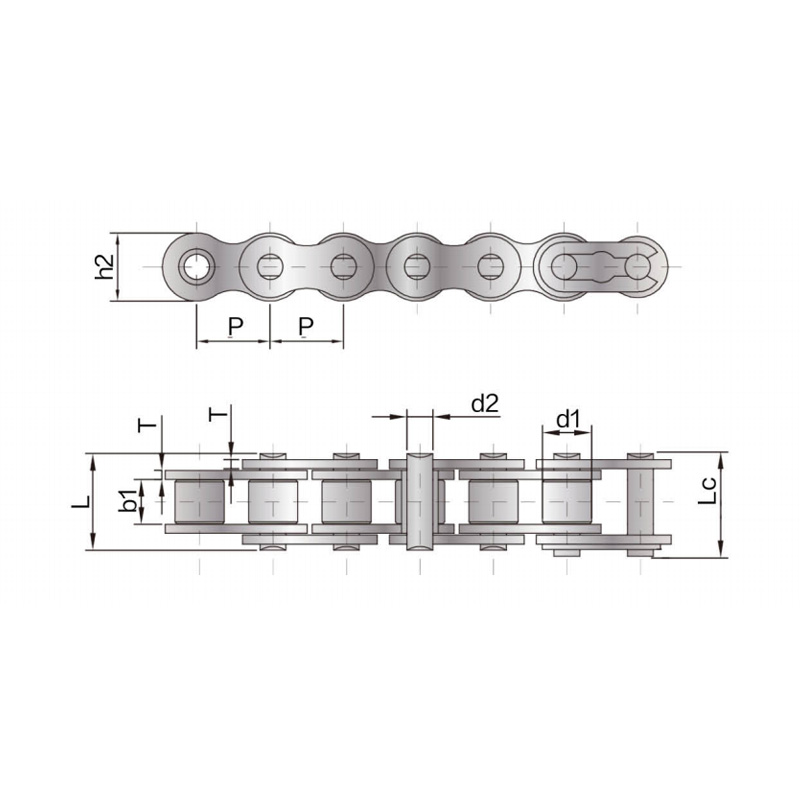
Our A series short pitch precision roller chains comply with various international standards and are...
See Details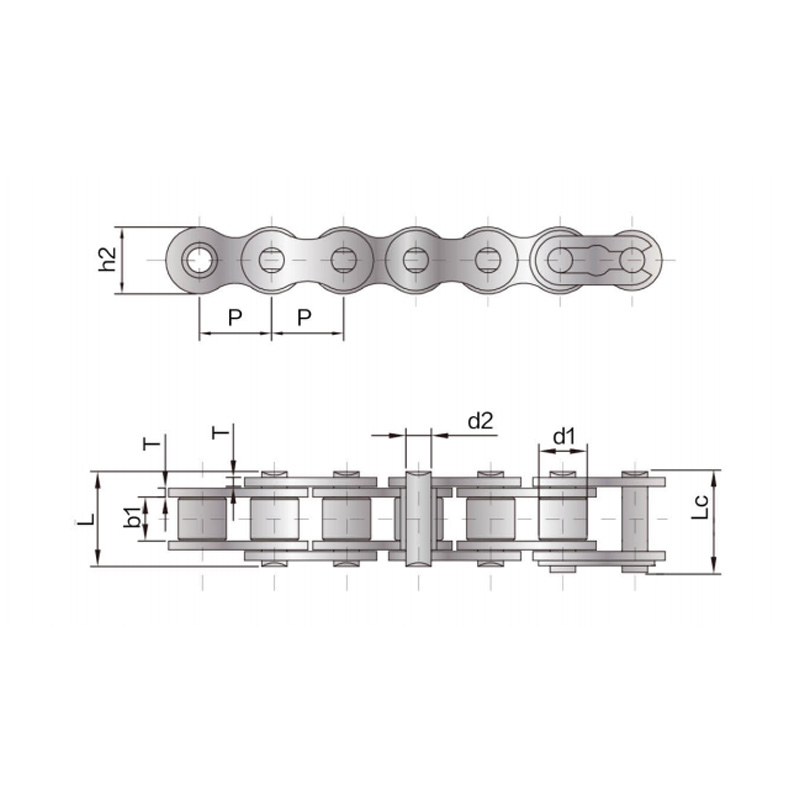
The tensile strength and fatigue strength of the B series short pitch precision roller chain reach 1...
See Details
The Heavy-duty precision roller chain adopts a thickened chain plate design based on the short-pitch...
See Details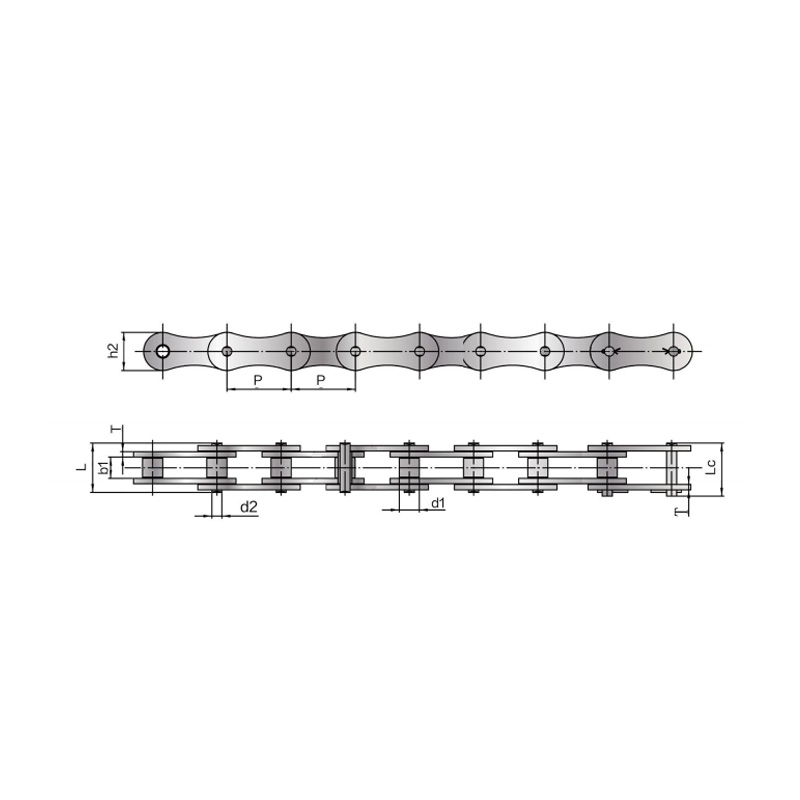
The double pitch driving chain complies with various international standards. The pitch of the doubl...
See Details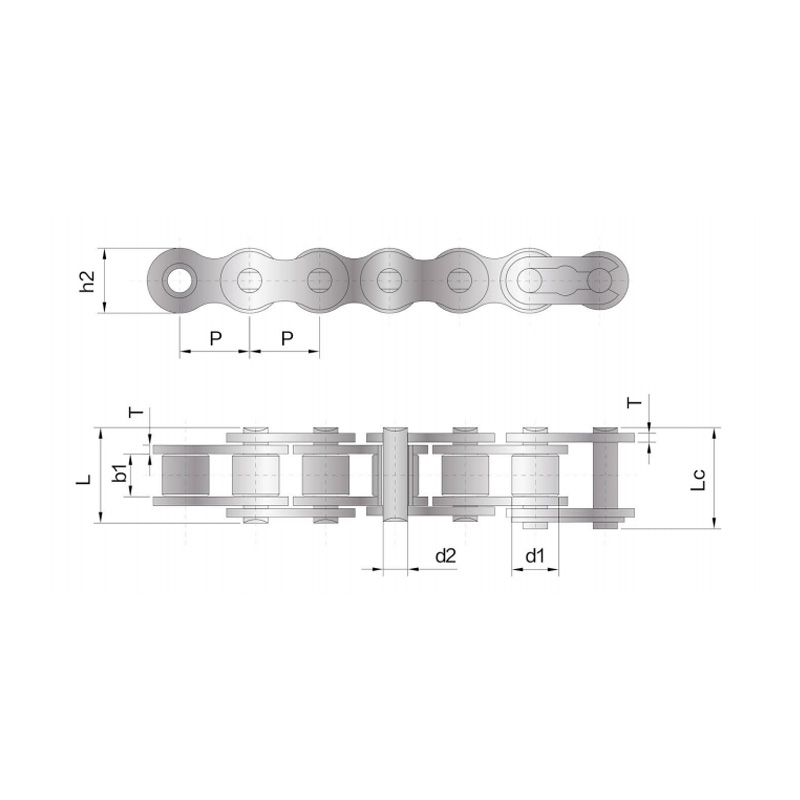
We also produce single row roller drive chains in more sizes and varieties. Customised products, sui...
See Details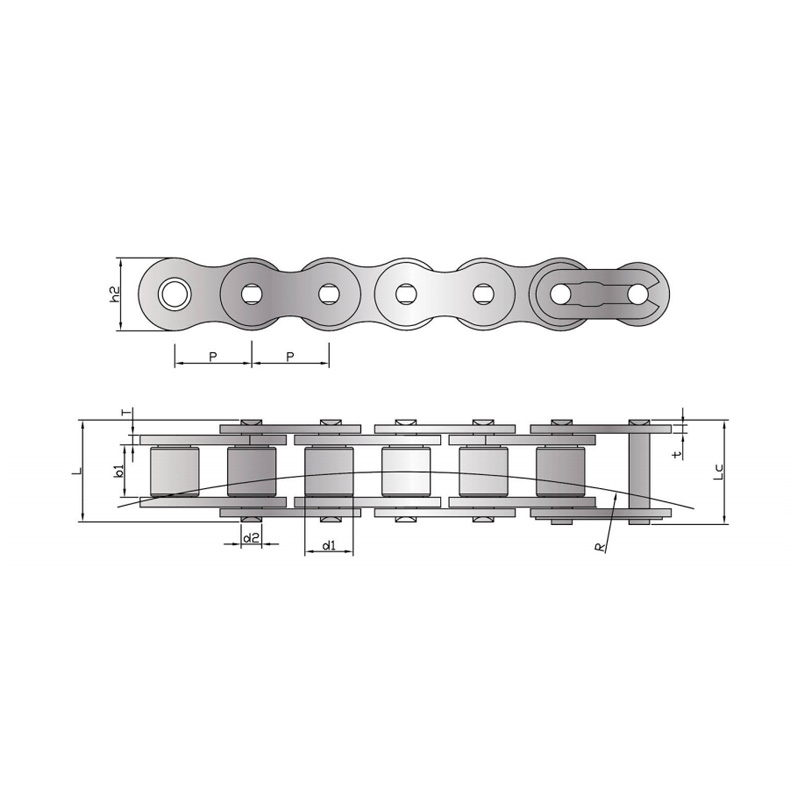
Side bow chain refers to changing the size of parts in the design of short-pitch precision roller ch...
See Details
The Anti-Sidebow chain for pushing window is a functional product with specially designed parts and ...
See Details
The A series short-pitch straight plate precision roller chain has a smaller pitch, a relatively lar...
See Details© Suzhou Fubang Machinery Chain Transmission Manufacturing Co., Ltd. Stainless Steel Roller Chains Manufacturers Conveyor Chains Suppliers
