 简体中文
简体中文 English
 русский
 Español
Fubang is a professional manufacturer specializing in the design, production and sales of stainless steel chains.
Our A series short pitch precision roller chains comply with various international standards and are...
See Details
Content
A drive chain is a type of sidechain protocol that allows Bitcoin to support additional blockchain layers while maintaining security through Bitcoin miners. This mechanism enables new features and scalability solutions without requiring changes to Bitcoin's core consensus rules, effectively allowing the Bitcoin network to expand its functionality through parallel chains that are pegged to the main blockchain.
The concept was introduced by Paul Sztorc in 2015 as a way to address Bitcoin's limitations in supporting smart contracts, faster transactions, and experimental features. Drive chains operate through a two-way peg system where bitcoins can be transferred to sidechains and back, with miners acting as the custodians of these transfers through a voting mechanism.
The drive chain mechanism relies on two key Bitcoin Improvement Proposals (BIPs): BIP 300 (Hashrate Escrows) and BIP 301 (Blind Merged Mining). These proposals work together to create a framework where sidechains can exist alongside Bitcoin's main chain.
When users want to move their bitcoins to a drive chain sidechain, they deposit their coins into a special address on the Bitcoin mainnet. This process involves:
Drive chains utilize blind merged mining, which allows Bitcoin miners to simultaneously mine both the main Bitcoin blockchain and sidechain blocks. The term "blind" refers to the fact that miners don't need to validate sidechain transactions—they simply include sidechain block headers in their Bitcoin blocks. This reduces the computational burden on miners while still securing the sidechain through Bitcoin's existing hashpower.
Drive chains offer several advantages for blockchain development and Bitcoin's ecosystem expansion:
| Benefit | Description | Example Application |
|---|---|---|
| Innovation Without Risk | Test new features without changing Bitcoin core | Smart contract platforms |
| Scalability | Process transactions off main chain | High-frequency trading chains |
| Specialized Functions | Create chains for specific purposes | Privacy-focused transactions |
| Resource Efficiency | Reduce mainchain congestion | NFT and token platforms |
One concrete example is the proposed Hivemind prediction market sidechain, which would enable decentralized betting and forecasting markets using Bitcoin as the native currency, without requiring the Bitcoin mainnet to process every market transaction.
While drive chains present interesting opportunities, they face significant scrutiny regarding security and centralization risks.
Critics argue that drive chains give miners too much control over user funds. Since miners collectively decide when withdrawals from sidechains are approved, there's a theoretical risk that a miner majority could collude to block legitimate withdrawals or steal funds. This represents a departure from Bitcoin's trustless model where users maintain full control of their private keys.
The withdrawal mechanism requires an extended voting period—typically between 3 to 6 months—to allow sufficient time for miners to vote and for the community to detect any theft attempts. While this lengthy timeframe provides security through transparency, it also creates liquidity issues for users who need faster access to their funds.
If a drive chain sidechain fails or becomes abandoned, users' funds could become difficult or impossible to recover. Unlike the Bitcoin mainnet with its robust network of nodes and miners, individual sidechains may not achieve the same level of decentralization and resilience.
Understanding how drive chains compare to alternative Bitcoin scaling approaches helps clarify their unique position in the ecosystem:
The Lightning Network operates as a Layer 2 payment channel system where users can transact instantly off-chain. Unlike drive chains, Lightning doesn't require miner involvement for fund management and provides near-instant finality. However, Lightning is specifically designed for payments, while drive chains can support arbitrary functionality including smart contracts and decentralized applications.
Projects like Liquid use federated sidechains where a predetermined group of functionaries control the two-way peg. While this introduces trusted parties, it allows for faster withdrawals (typically under 2 hours) compared to drive chain's months-long process. Drive chains aim for greater decentralization by using miner consensus instead of a federation.
As of early 2025, drive chain technology remains in the proposal and experimental phase. The BIP 300 and BIP 301 proposals have sparked extensive debate within the Bitcoin community but have not been activated on the Bitcoin mainnet.
Several factors influence the adoption timeline:
Despite these challenges, drive chain proponents continue developing testnet implementations and building example sidechains to demonstrate the technology's potential value to the Bitcoin ecosystem.
If drive chains were to be implemented, regular Bitcoin users would experience several changes in how they can interact with the network:
The optional nature of drive chains means that conservative users who prioritize security can continue using only the Bitcoin mainnet, while more experimental users can explore sidechain innovations with their bitcoins.
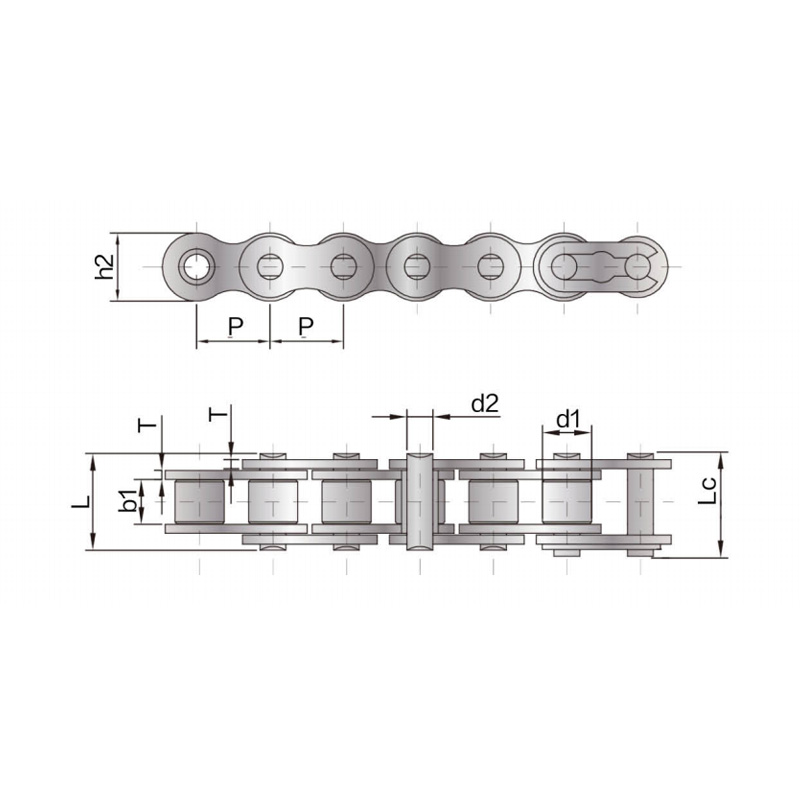
Our A series short pitch precision roller chains comply with various international standards and are...
See Details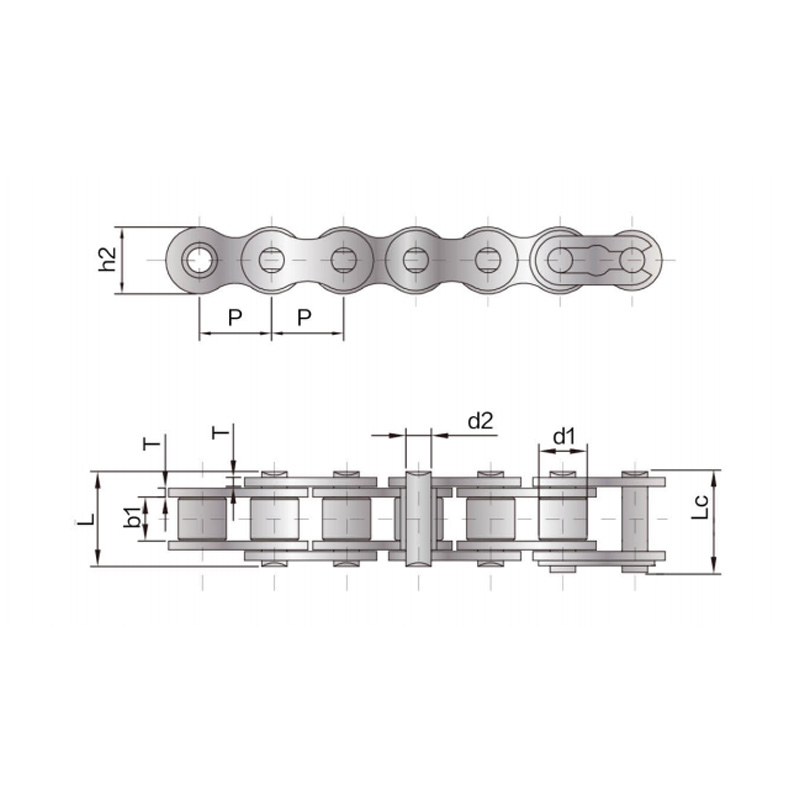
The tensile strength and fatigue strength of the B series short pitch precision roller chain reach 1...
See Details
The Heavy-duty precision roller chain adopts a thickened chain plate design based on the short-pitch...
See Details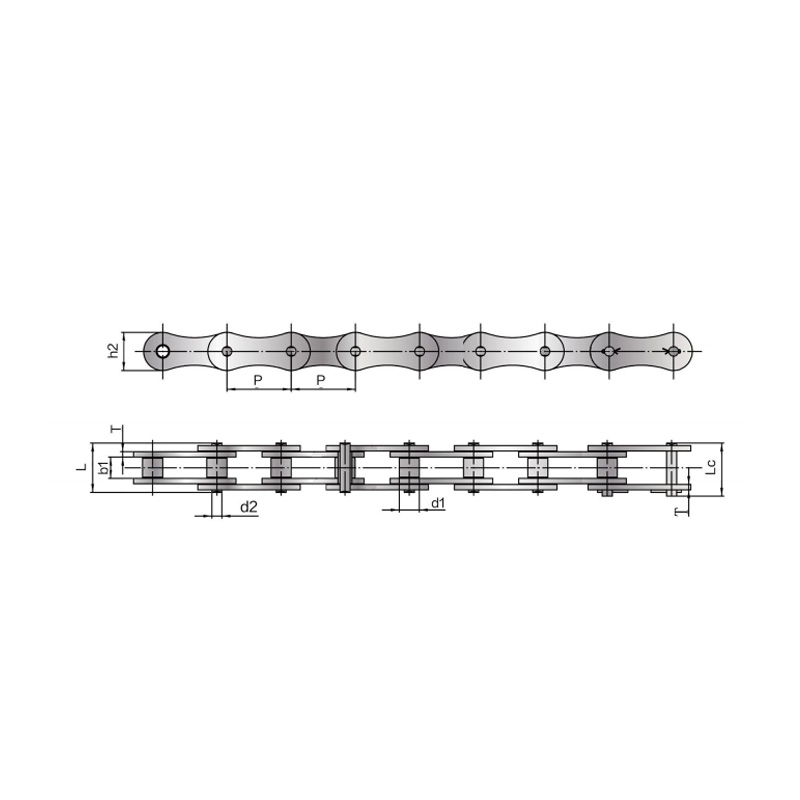
The double pitch driving chain complies with various international standards. The pitch of the doubl...
See Details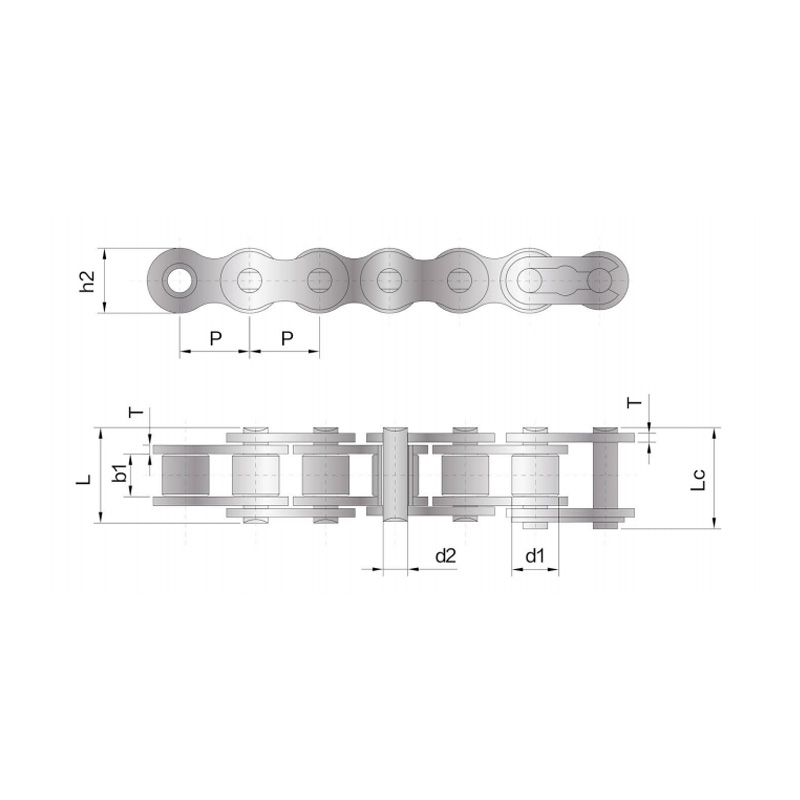
We also produce single row roller drive chains in more sizes and varieties. Customised products, sui...
See Details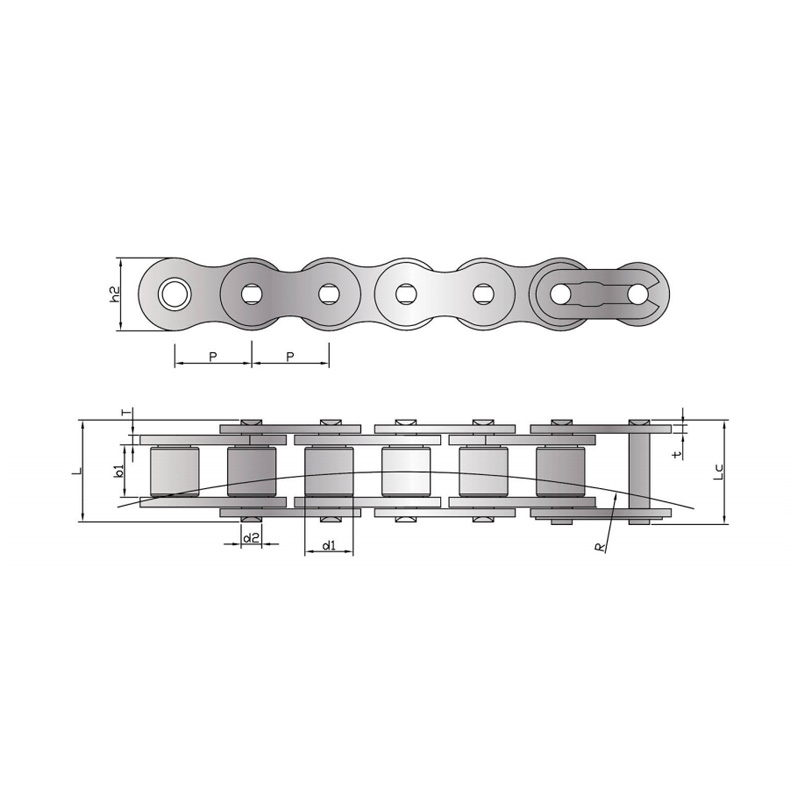
Side bow chain refers to changing the size of parts in the design of short-pitch precision roller ch...
See Details
The Anti-Sidebow chain for pushing window is a functional product with specially designed parts and ...
See Details
The A series short-pitch straight plate precision roller chain has a smaller pitch, a relatively lar...
See Details© Suzhou Fubang Machinery Chain Transmission Manufacturing Co., Ltd. Stainless Steel Roller Chains Manufacturers Conveyor Chains Suppliers
