 简体中文
简体中文 English
 русский
 Español
Fubang is a professional manufacturer specializing in the design, production and sales of stainless steel chains.
Our A series short pitch precision roller chains comply with various international standards and are...
See Details
Content
Combining stainless steel roller chains is a common practice in industrial environments where longer transmission distances, increased load capacity, or specialized layouts are required. Unlike carbon steel chains, stainless steel versions offer corrosion resistance, hygiene compliance, and durability in harsh conditions such as food processing plants, marine equipment, and chemical manufacturing lines.
By properly joining multiple chain sections, operators can create custom-length systems without sacrificing tensile strength or alignment accuracy. However, incorrect combination methods can lead to accelerated wear, chain elongation, and catastrophic failure under load.
Stainless steel roller chains are made from precision-engineered parts designed to allow consistent motion and high load handling. When combining chains, understanding each component ensures compatibility and structural integrity.
Connecting links or offset links are specifically engineered to join chain segments while maintaining strength close to that of standard links.
These are the most widely used joining components. They allow two chain ends to connect without special tools and maintain uniform pitch throughout the system.
Offset links enable odd-number chain lengths but reduce overall strength by 15–20%. They should only be used in low-load applications.
Industrial systems often use riveted pins to create high-strength permanent joints, especially for heavy-duty conveyor chain assemblies.
Combining stainless steel roller chains does not automatically increase load rating. The system remains limited by the weakest link or connecting method.
| Chain Size | Average Tensile Strength | Best Connection Method |
| #40 | 3,700 lbs | Standard connecting link |
| #60 | 9,500 lbs | Riveted joint |
| #80 | 18,000 lbs | Heavy-duty connector |
Always match connection hardware with the chain grade to avoid premature failure.
Stainless steel roller chains excel in environments where moisture, chemicals, and temperature extremes destroy carbon steel alternatives. When combining chain sections, corrosion resistance remains consistent as long as all components are stainless-grade.
Following a structured installation process ensures alignment, load balance, and operational reliability.
Longer combined chains experience higher cumulative friction and require consistent inspection schedules.
Many system failures stem from simple oversights during chain extension.
Extended stainless roller chain systems are essential in sectors where reliability and sanitation are critical.
When combined properly, stainless steel roller chains deliver unmatched durability, corrosion protection, and operational efficiency across demanding environments.
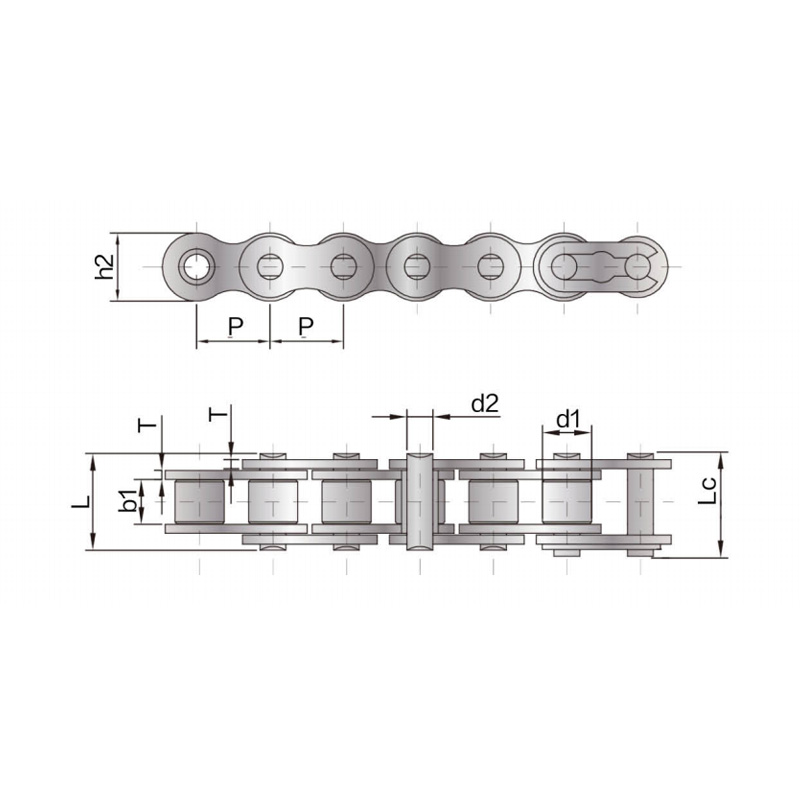
Our A series short pitch precision roller chains comply with various international standards and are...
See Details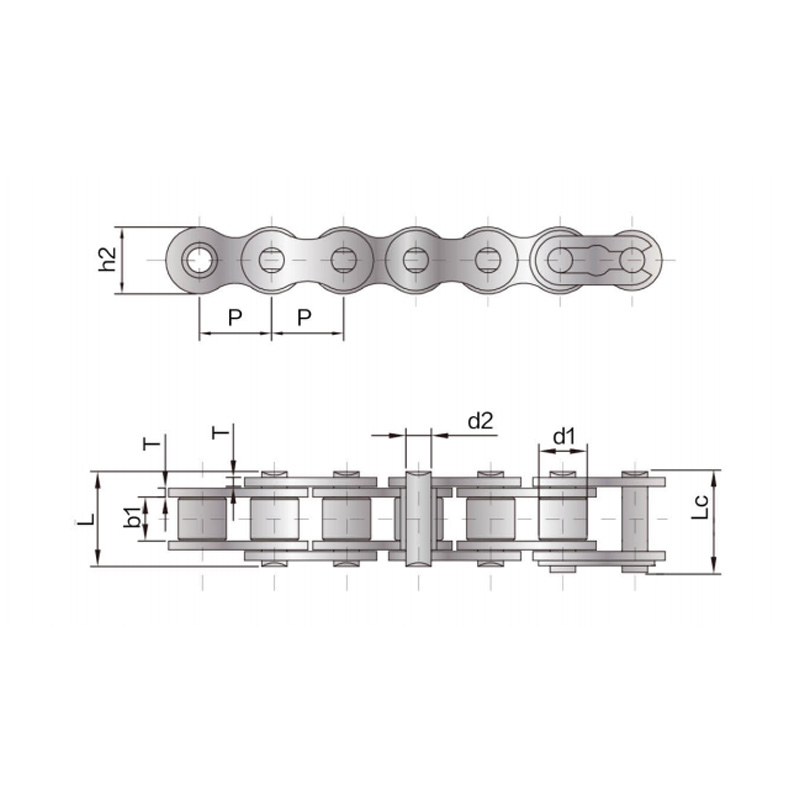
The tensile strength and fatigue strength of the B series short pitch precision roller chain reach 1...
See Details
The Heavy-duty precision roller chain adopts a thickened chain plate design based on the short-pitch...
See Details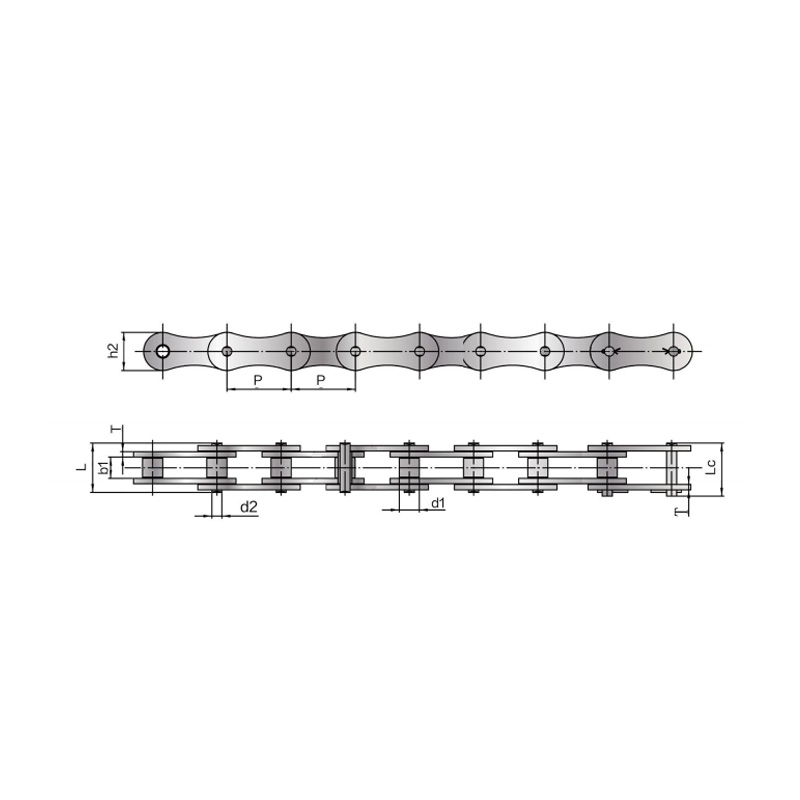
The double pitch driving chain complies with various international standards. The pitch of the doubl...
See Details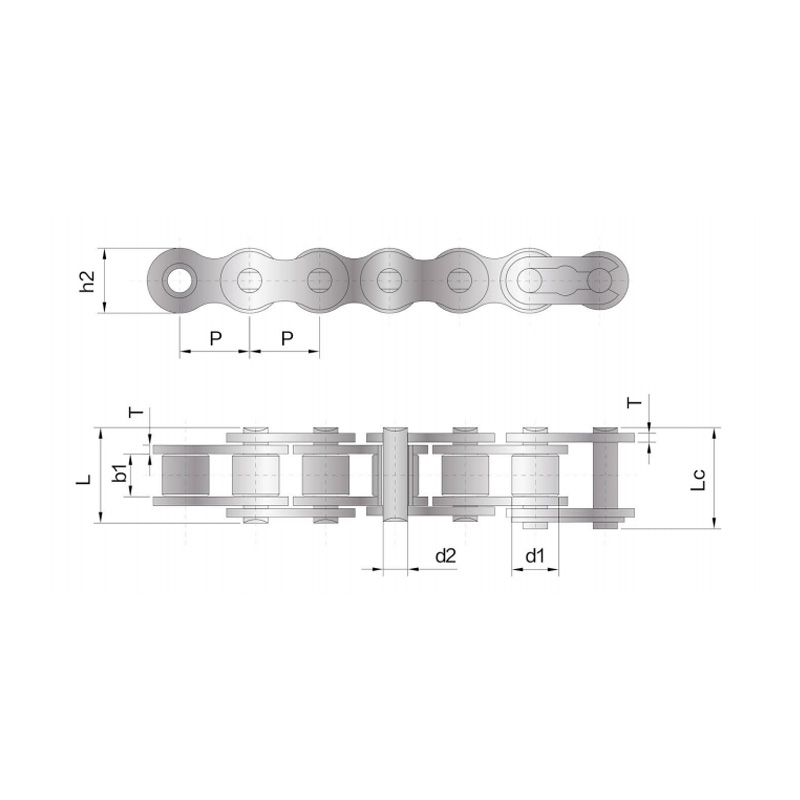
We also produce single row roller drive chains in more sizes and varieties. Customised products, sui...
See Details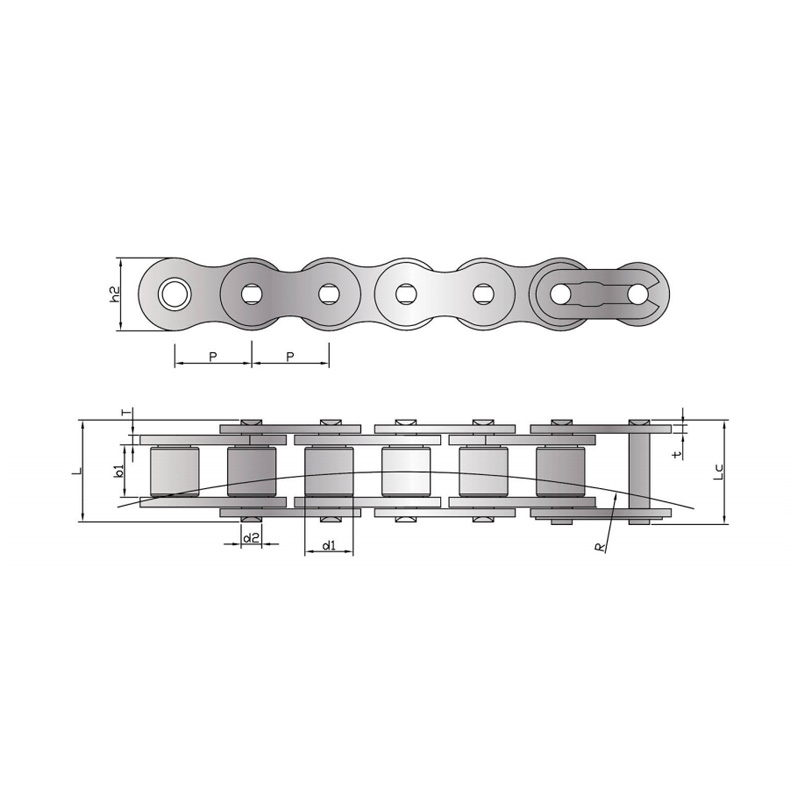
Side bow chain refers to changing the size of parts in the design of short-pitch precision roller ch...
See Details
The Anti-Sidebow chain for pushing window is a functional product with specially designed parts and ...
See Details
The A series short-pitch straight plate precision roller chain has a smaller pitch, a relatively lar...
See Details© Suzhou Fubang Machinery Chain Transmission Manufacturing Co., Ltd. Stainless Steel Roller Chains Manufacturers Conveyor Chains Suppliers
