 简体中文
简体中文 English
 русский
 Español
Fubang is a professional manufacturer specializing in the design, production and sales of stainless steel chains.
Our A series short pitch precision roller chains comply with various international standards and are...
See Details
Content
Stainless steel roller chains are essential components in mechanical power transmission, widely used in industries ranging from food processing to automotive manufacturing. They are designed to transmit mechanical power efficiently between sprockets while providing excellent corrosion resistance and durability. Unlike standard carbon steel chains, stainless steel roller chains can withstand harsh environments, including exposure to water, chemicals, and extreme temperatures, making them ideal for industrial and outdoor applications.
The construction of stainless steel roller chains consists of interconnected links, each composed of inner and outer plates, bushings, rollers, and pins. The key design features include:
Advanced stainless steel roller chains may also feature plated or coated surfaces to further enhance corrosion resistance and reduce friction, extending service life in demanding applications.
Understanding the different types of stainless steel roller chains helps in selecting the right chain for a specific application. Common types include:
These are designed for general industrial use, providing reliable power transmission and moderate corrosion resistance. They are suitable for applications in packaging, conveyors, and agricultural machinery.
Heavy-duty stainless steel roller chains are built to handle higher loads and more intensive operational conditions. They are commonly used in construction equipment, mining machinery, and other high-stress environments.
Specialized corrosion-resistant chains, often made from AISI 304 or 316 stainless steel, are ideal for environments with high moisture, salt, or chemical exposure. Industries such as food processing, pharmaceuticals, and marine applications benefit from their long-lasting durability.
Stainless steel roller chains are versatile components with widespread applications in diverse industries. Their ability to operate in wet, corrosive, or high-temperature environments makes them indispensable for modern mechanical systems.
Proper maintenance significantly extends the life of stainless steel roller chains and ensures optimal performance. Key maintenance practices include:
Chains operating in aggressive environments may require more frequent inspection and lubrication to prevent premature failure, particularly in high-speed or heavily loaded systems.
The unique properties of stainless steel roller chains provide several advantages over standard chains, including:
Choosing the correct stainless steel roller chain depends on several factors, including load capacity, operating environment, speed, and sprocket compatibility. Key considerations include:
Stainless steel roller chains combine strength, corrosion resistance, and durability, making them essential in modern industrial applications. From food processing to marine equipment, these chains provide reliable power transmission under challenging conditions. Proper selection, installation, and maintenance ensure long-term performance, minimal downtime, and improved operational efficiency. Investing in high-quality stainless steel roller chains is a practical solution for industries seeking longevity, reliability, and low-maintenance mechanical systems.
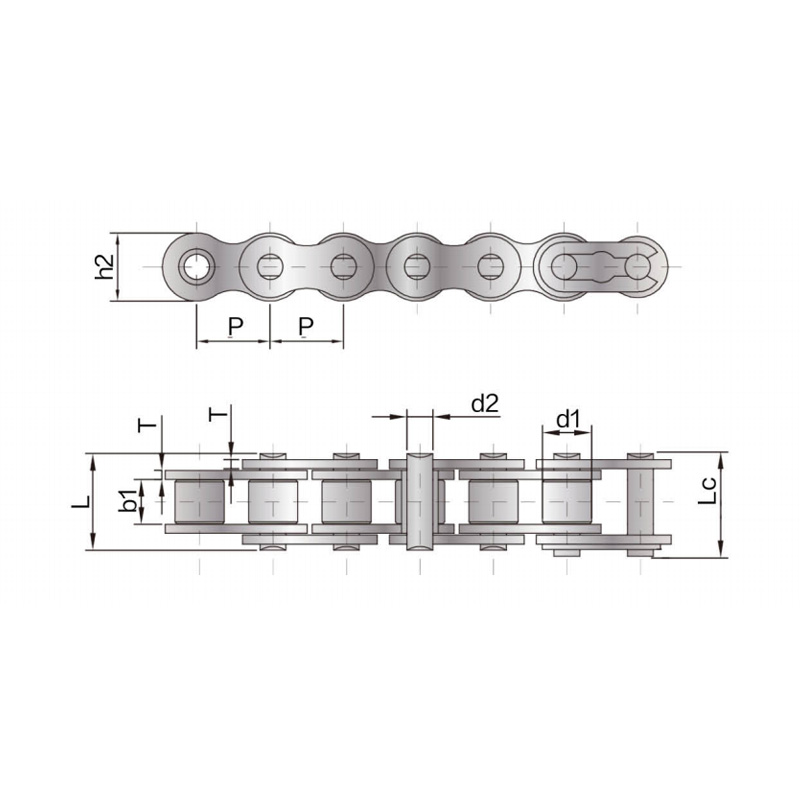
Our A series short pitch precision roller chains comply with various international standards and are...
See Details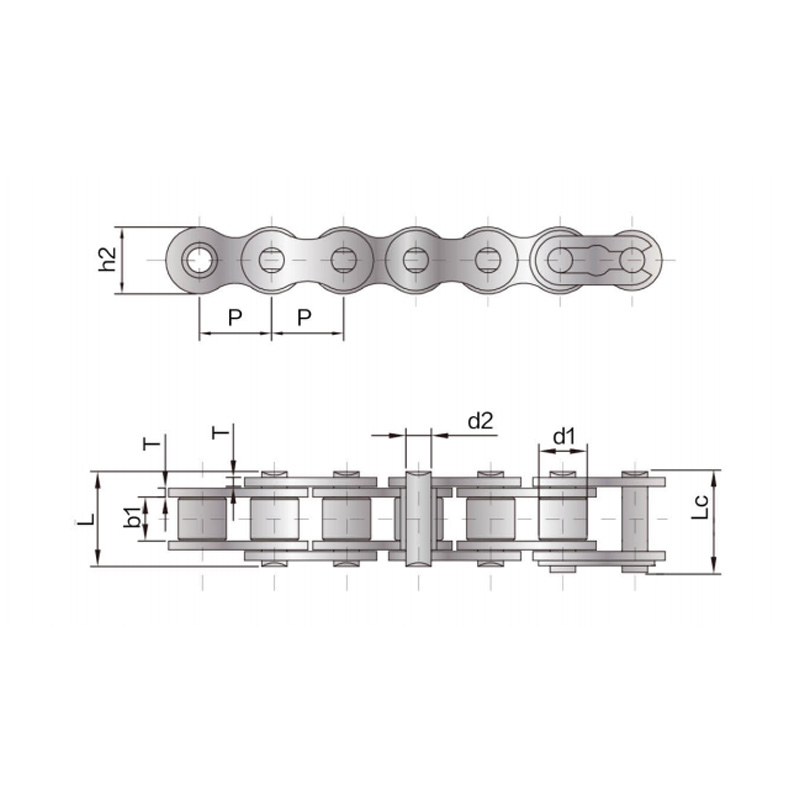
The tensile strength and fatigue strength of the B series short pitch precision roller chain reach 1...
See Details
The Heavy-duty precision roller chain adopts a thickened chain plate design based on the short-pitch...
See Details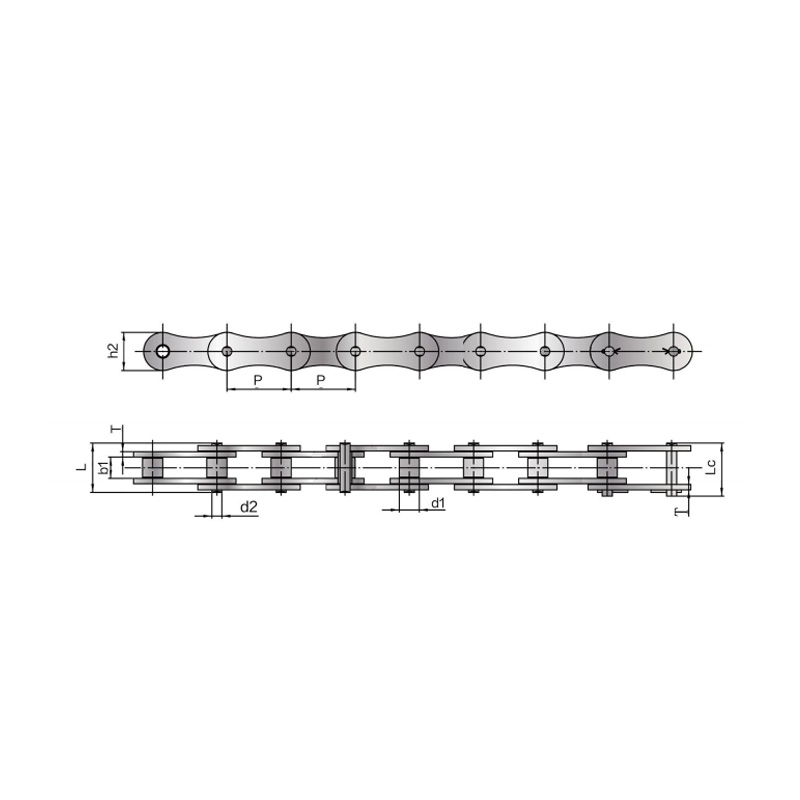
The double pitch driving chain complies with various international standards. The pitch of the doubl...
See Details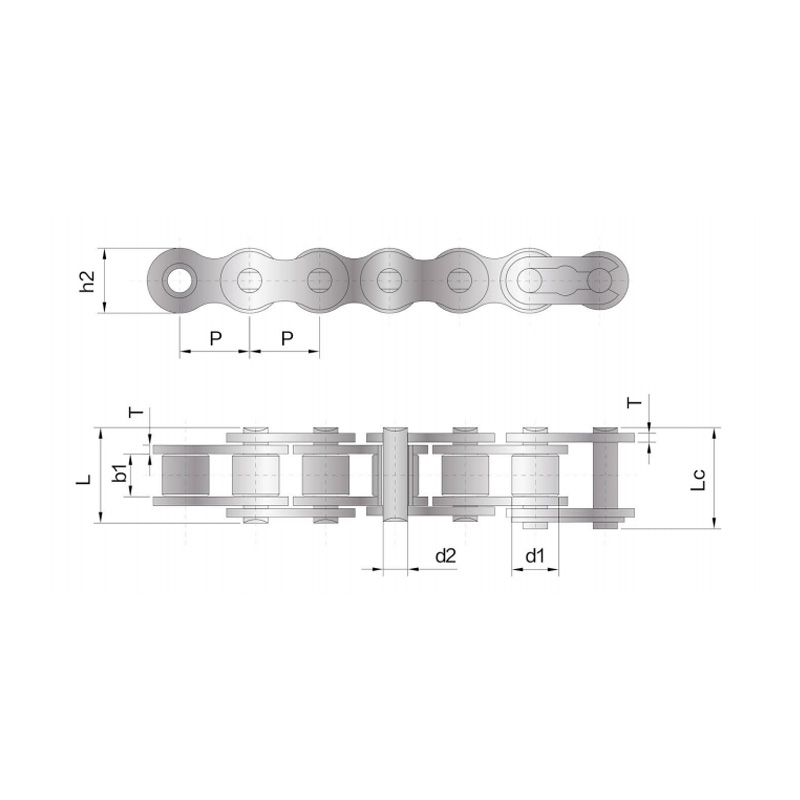
We also produce single row roller drive chains in more sizes and varieties. Customised products, sui...
See Details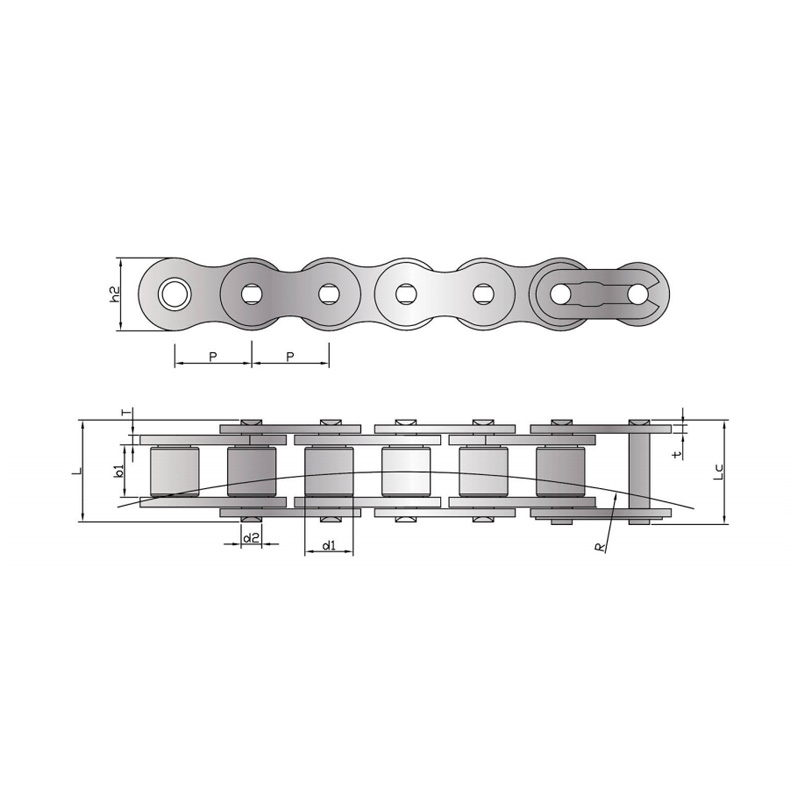
Side bow chain refers to changing the size of parts in the design of short-pitch precision roller ch...
See Details
The Anti-Sidebow chain for pushing window is a functional product with specially designed parts and ...
See Details
The A series short-pitch straight plate precision roller chain has a smaller pitch, a relatively lar...
See Details© Suzhou Fubang Machinery Chain Transmission Manufacturing Co., Ltd. Stainless Steel Roller Chains Manufacturers Conveyor Chains Suppliers
