 简体中文
简体中文 English
 русский
 Español
Fubang is a professional manufacturer specializing in the design, production and sales of stainless steel chains.
Our A series short pitch precision roller chains comply with various international standards and are...
See Details
Content
Sewage treatment chains are critical components in the operation of water treatment facilities, especially in the transfer of water and in sludge tanks. These chains ensure the smooth flow of materials in various municipal and industrial wastewater treatment processes. Their primary purpose is to provide efficient and reliable transport in environments exposed to constant wear, corrosion, and high-strength demands.
Sewage treatment chains are used extensively in both municipal and industrial water treatment plants. They are found in the following key applications:
The design and manufacturing of sewage treatment chains are critical to their performance in demanding environments. Here are the key features and benefits:
Sewage treatment chains are made from high-quality special steel and stainless steel alloys, which provide exceptional tensile strength. This ensures that the chains can handle heavy loads and long-term usage without compromising performance.
Given the constant movement and friction within water treatment systems, the chains are designed with enhanced wear resistance. This prevents premature damage and reduces the need for frequent replacements.
Sewage treatment chains are exposed to harsh chemical environments. With special surface treatments, these chains offer superior corrosion resistance, extending their service life even in the presence of corrosive elements such as sulfuric acid and chlorine.
The robust construction and treatment processes provide long-lasting durability, even under extreme operational conditions. This is particularly important in facilities where downtime can cause significant operational disruptions.
The materials used in the construction of sewage treatment chains are essential for ensuring long-term reliability and performance. The key materials include:
The role of sewage treatment chains in wastewater treatment is indispensable. They contribute to the smooth and efficient operation of water treatment plants by:
When selecting sewage treatment chains for your water treatment facility, consider the following factors to ensure that you choose the best option for your needs:
Sewage treatment chains are a fundamental component in maintaining the efficiency and longevity of wastewater treatment systems. Their ability to withstand high stresses, resist corrosion, and offer exceptional wear resistance makes them indispensable for both municipal and industrial applications. By choosing the right sewage treatment chain, water treatment facilities can improve operational efficiency, reduce maintenance costs, and contribute to environmental sustainability.
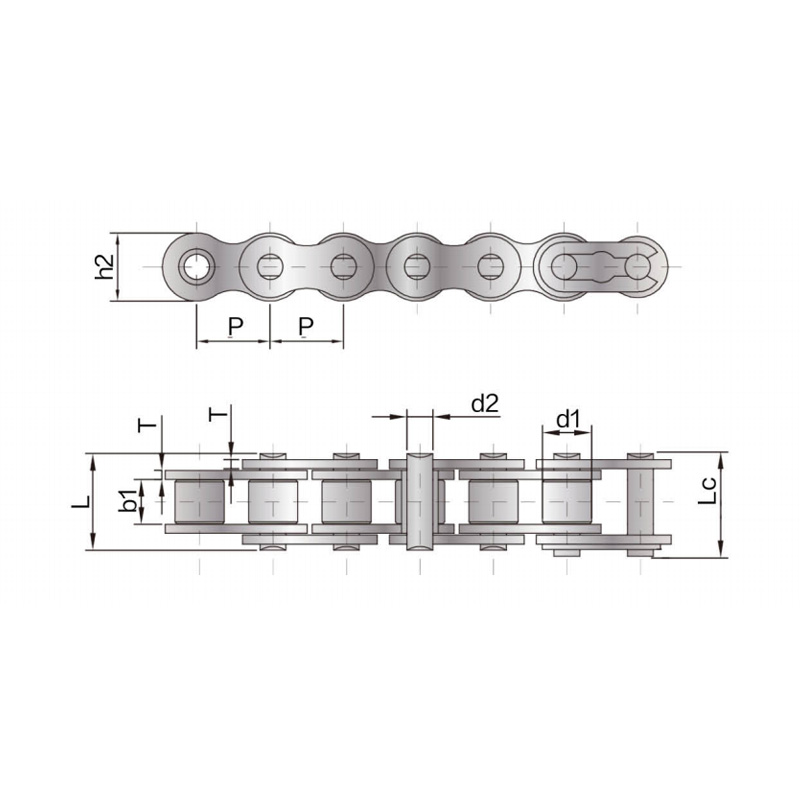
Our A series short pitch precision roller chains comply with various international standards and are...
See Details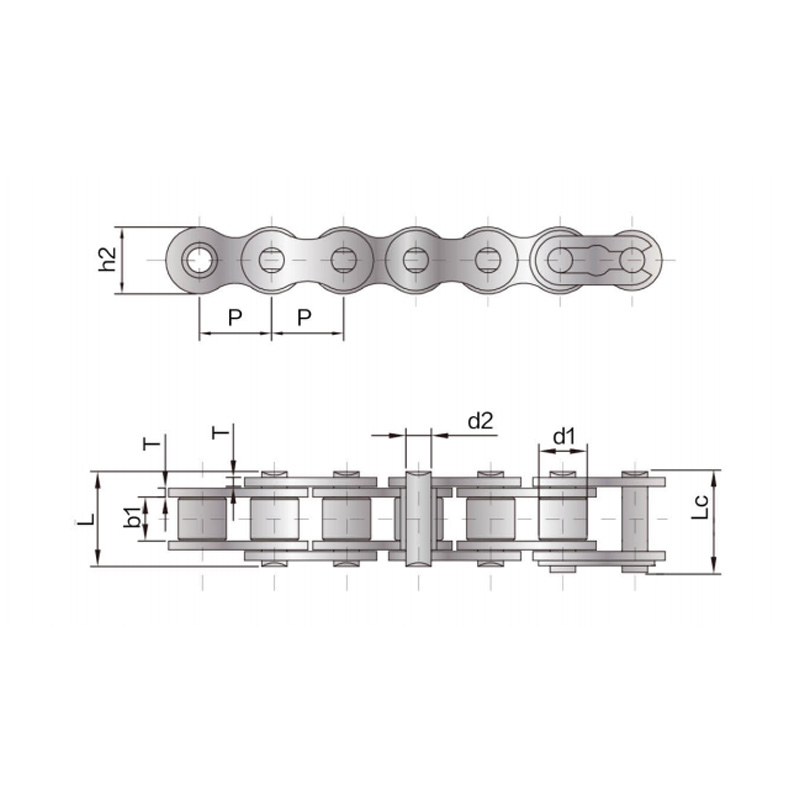
The tensile strength and fatigue strength of the B series short pitch precision roller chain reach 1...
See Details
The Heavy-duty precision roller chain adopts a thickened chain plate design based on the short-pitch...
See Details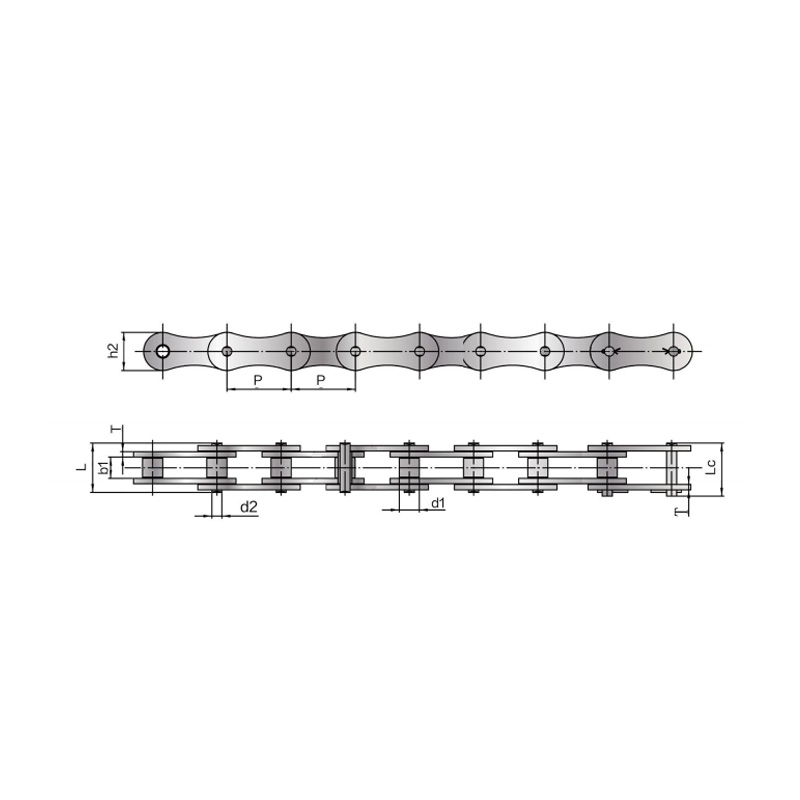
The double pitch driving chain complies with various international standards. The pitch of the doubl...
See Details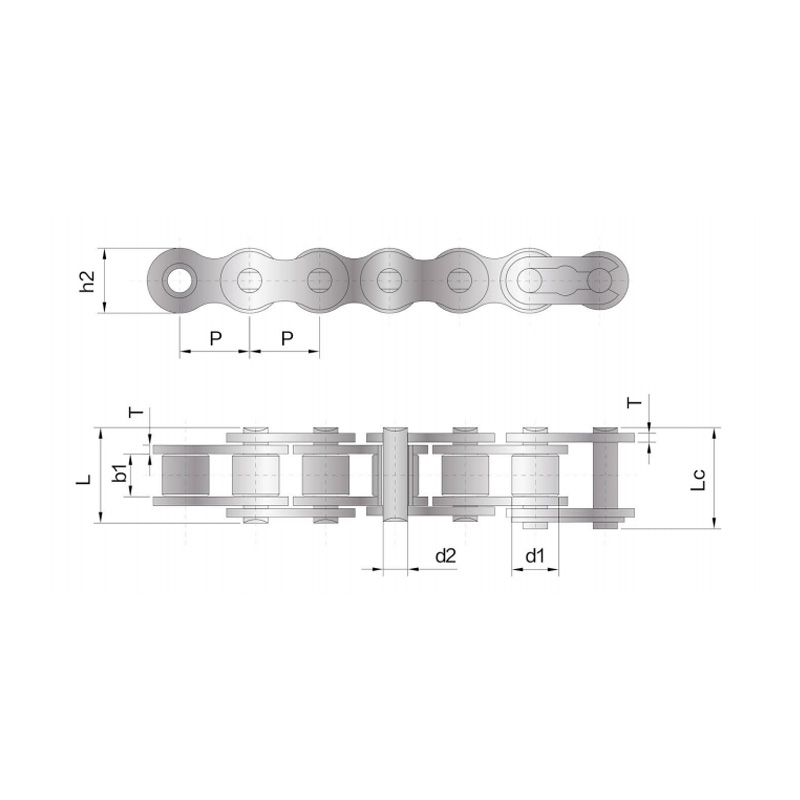
We also produce single row roller drive chains in more sizes and varieties. Customised products, sui...
See Details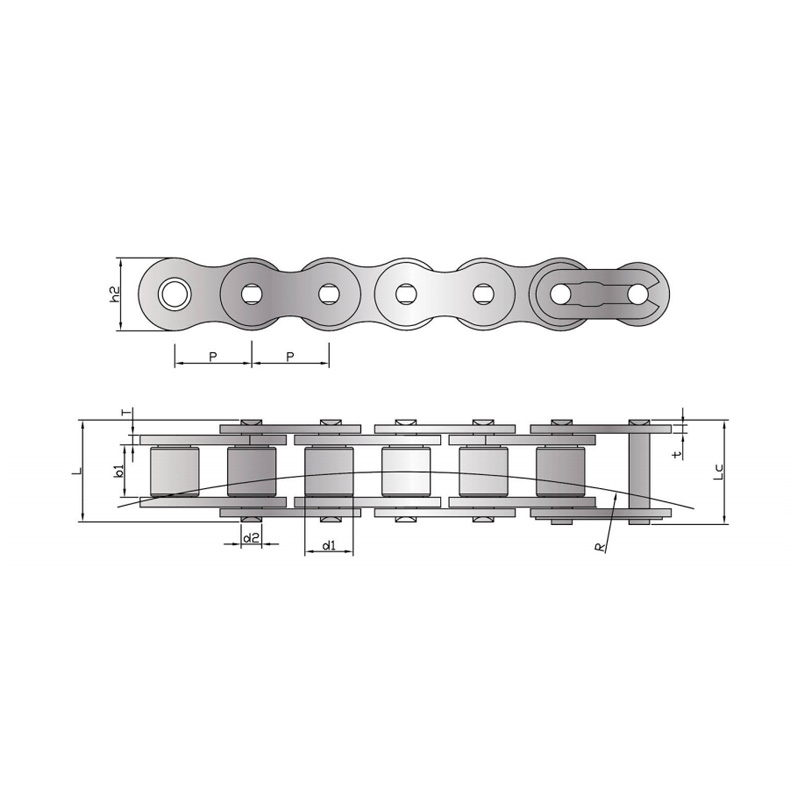
Side bow chain refers to changing the size of parts in the design of short-pitch precision roller ch...
See Details
The Anti-Sidebow chain for pushing window is a functional product with specially designed parts and ...
See Details
The A series short-pitch straight plate precision roller chain has a smaller pitch, a relatively lar...
See Details© Suzhou Fubang Machinery Chain Transmission Manufacturing Co., Ltd. Stainless Steel Roller Chains Manufacturers Conveyor Chains Suppliers
