 简体中文
简体中文 English
 русский
 Español
Fubang is a professional manufacturer specializing in the design, production and sales of stainless steel chains.
Our A series short pitch precision roller chains comply with various international standards and are...
See Details
Content
Stainless steel welded conveyor chains are specialized components designed for heavy-duty industrial applications. They are made by welding links together, providing a robust structure that can withstand high stress, corrosion, and extreme temperatures. These chains are widely used in food processing, pharmaceutical, and chemical industries where hygiene and durability are essential.
Unlike standard roller chains, welded conveyor chains feature a solid construction that reduces the risk of chain failure in high-load environments. The stainless steel composition ensures resistance to rust, chemical reactions, and wear, extending the lifespan of the conveyor system while reducing maintenance costs.
Selecting the right type of welded conveyor chain depends on the operational environment, load requirements, and the type of products being transported. Below are the most commonly used types:
Stainless steel welded chains offer several advantages that make them indispensable in modern industrial applications:
Choosing the correct stainless steel grade is critical for performance. Common grades used for welded conveyor chains include:
Technical specifications such as pitch, roller diameter, and tensile strength are essential when designing or replacing a chain. Manufacturers often provide detailed datasheets to match the chain to the conveyor system’s speed, load, and environmental conditions.
Stainless steel welded conveyor chains are versatile and used in applications that demand strength, hygiene, and corrosion resistance. Some common industrial uses include:
Proper maintenance is crucial for maximizing the lifespan of stainless steel welded conveyor chains. Key practices include:
Chains should be replaced in full if multiple links show signs of fatigue. Preventive maintenance schedules can reduce downtime and prevent costly failures.
| Chain Type | Material Grade | Load Capacity | Recommended Use |
| Standard Welded | 304 SS | Medium | General conveyor applications |
| Heavy-Duty Welded | 316 SS | High | Automotive, mining, and steel industries |
| Hygienic Welded | 304/316 SS | Medium | Food and pharmaceutical processing |
| High-Temperature Welded | 310 SS | Medium | Ovens and heat-treatment lines |
Stainless steel welded conveyor chains are an investment in reliability, durability, and hygiene. Selecting the right type, grade, and size ensures smooth operation across various industries. Proper maintenance, including regular cleaning, lubrication, and inspection, extends chain life and reduces downtime. Whether used in food production, pharmaceuticals, or heavy industry, these chains offer unmatched performance for challenging conveyor applications.
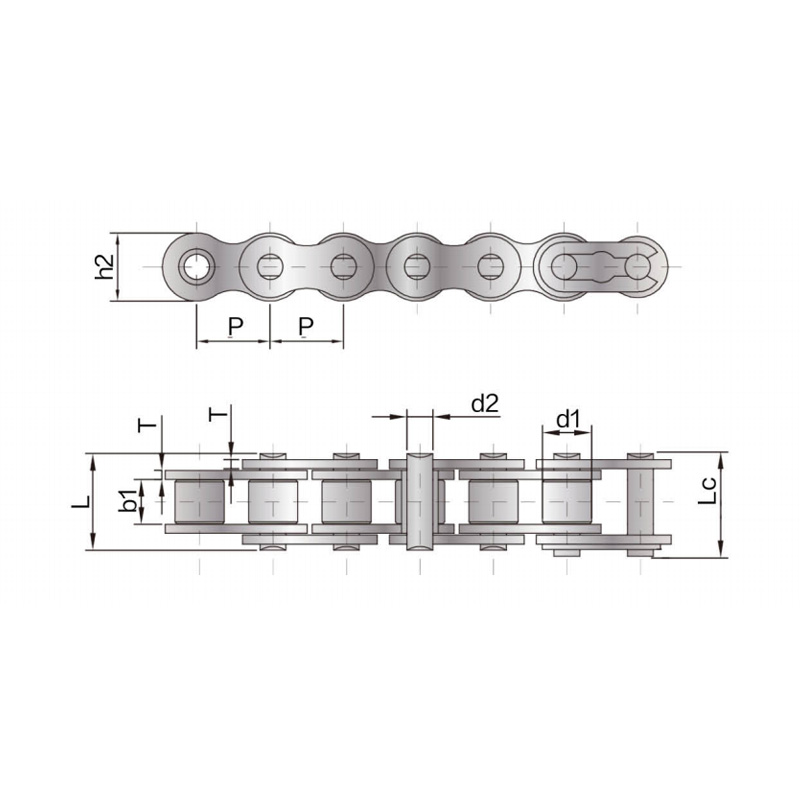
Our A series short pitch precision roller chains comply with various international standards and are...
See Details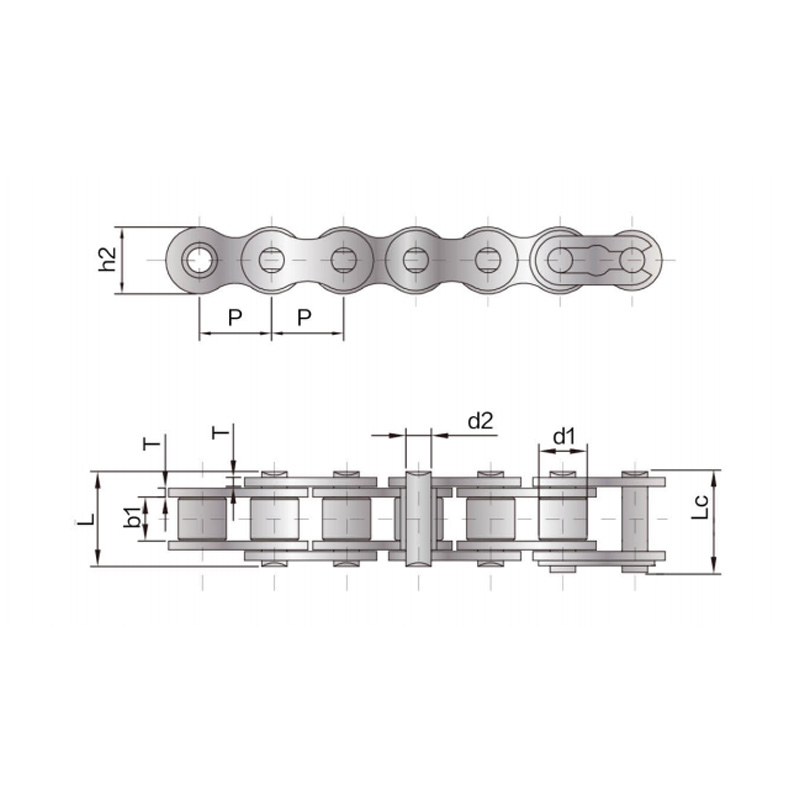
The tensile strength and fatigue strength of the B series short pitch precision roller chain reach 1...
See Details
The Heavy-duty precision roller chain adopts a thickened chain plate design based on the short-pitch...
See Details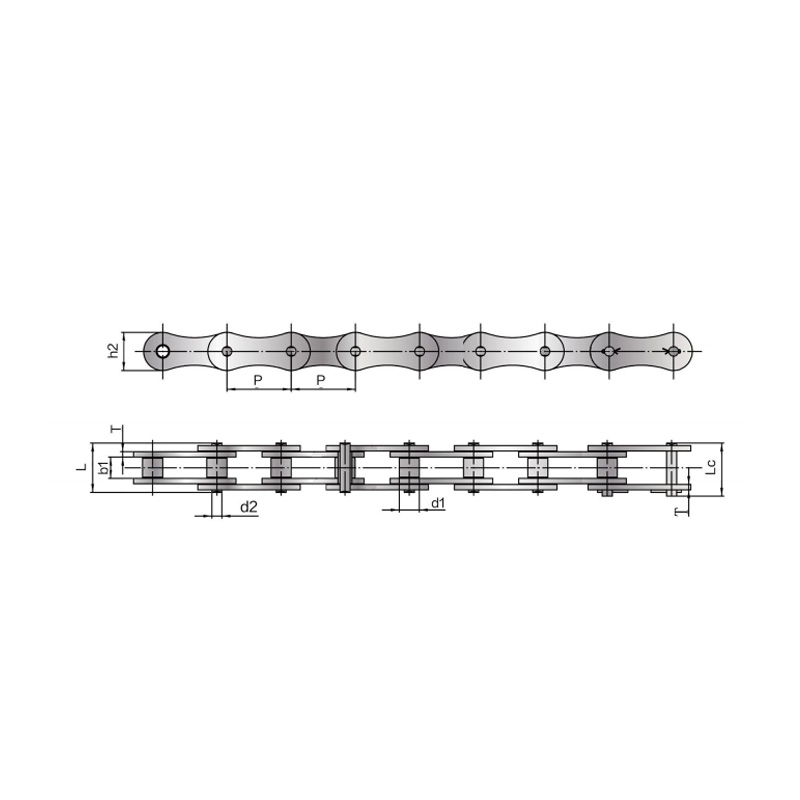
The double pitch driving chain complies with various international standards. The pitch of the doubl...
See Details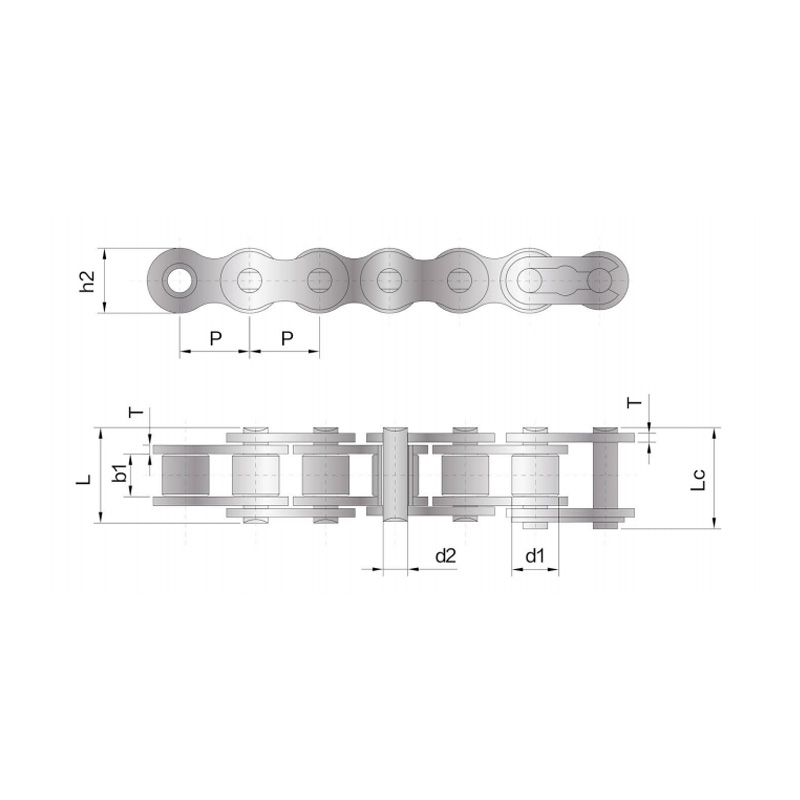
We also produce single row roller drive chains in more sizes and varieties. Customised products, sui...
See Details
Side bow chain refers to changing the size of parts in the design of short-pitch precision roller ch...
See Details
The Anti-Sidebow chain for pushing window is a functional product with specially designed parts and ...
See Details
The A series short-pitch straight plate precision roller chain has a smaller pitch, a relatively lar...
See Details© Suzhou Fubang Machinery Chain Transmission Manufacturing Co., Ltd. Stainless Steel Roller Chains Manufacturers Conveyor Chains Suppliers
