 简体中文
简体中文 English
 русский
 Español
Fubang is a professional manufacturer specializing in the design, production and sales of stainless steel chains.
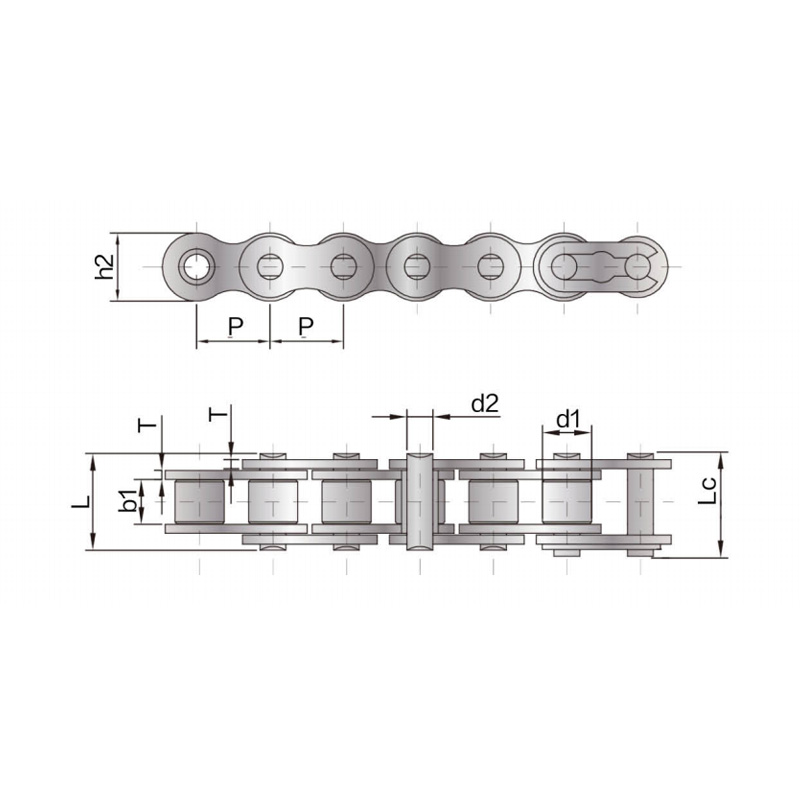
Our A series short pitch precision roller chains comply with various international standards and are...
See Details
Content
Stainless steel welded conveyor chains are essential components in modern material handling systems. Known for their durability, corrosion resistance, and ability to handle diverse environments, these chains are widely used in industries ranging from food processing to pharmaceuticals. Understanding their construction, types, and applications helps in selecting the right chain for specific industrial needs.
Stainless steel welded conveyor chains are constructed from high-quality stainless steel alloys, which provide excellent resistance to corrosion, heat, and chemical exposure. Welding the chain links rather than relying on mechanical joining increases overall strength and reduces the risk of link failure under heavy loads.
These chains typically use 304 or 316 stainless steel. The 304 grade offers good corrosion resistance and is suitable for general industrial applications, while 316 stainless steel provides superior resistance to saltwater and aggressive chemicals, making it ideal for marine and chemical processing environments.
Welded chains are manufactured using precision welding techniques that ensure uniform strength across all links. TIG (Tungsten Inert Gas) welding is common due to its ability to produce clean, precise welds without compromising the material properties. This results in chains that can sustain high tensile loads and resist elongation over time.
Stainless steel welded conveyor chains find applications in multiple industries due to their versatility and durability. Their resistance to harsh environments and ability to operate in high-temperature settings make them indispensable in modern industrial processes.
These chains are widely used in food processing lines where hygiene and corrosion resistance are critical. Stainless steel prevents contamination and allows for frequent cleaning using hot water or chemical sanitizers without degrading the chain’s structural integrity.
In chemical manufacturing, exposure to acids, solvents, and other corrosive substances is common. Stainless steel welded chains can withstand these harsh conditions, ensuring continuous operation without frequent replacement. In pharmaceutical production, they provide reliable transport of materials in sterile environments.
Marine environments expose conveyor chains to saltwater and humidity, which can rapidly corrode standard steel chains. Stainless steel welded chains, especially 316 grade, resist rust and maintain strength, making them suitable for shipyards, docks, and outdoor processing facilities.
When selecting stainless steel welded conveyor chains, several design factors must be considered to ensure reliability and longevity. These include chain pitch, link thickness, load capacity, and environmental conditions.
Calculating the expected load and operating speed is critical. Chains designed for high load applications require thicker links and stronger welds, while high-speed conveyors need precise tolerances to reduce vibration and wear.
Surface finish affects both corrosion resistance and cleaning efficiency. Polished or passivated surfaces are preferred in food and pharmaceutical environments, while brushed finishes may be sufficient for general industrial use. Proper finishing reduces debris accumulation and extends the chain’s service life.
Even with high-quality stainless steel, regular maintenance is essential to maximize the lifespan of welded conveyor chains. Routine inspections and lubrication prevent unexpected failures and maintain smooth operation.
Check for any signs of wear, elongation, or weld cracks. Monitoring the chain for unusual noise or vibration can help identify potential issues early. In high-temperature or chemical environments, more frequent inspections are recommended.
Although stainless steel resists corrosion, proper lubrication reduces friction between links and sprockets, decreasing wear. Food-grade lubricants are essential in processing industries to prevent contamination.
Understanding the differences between welded and non-welded chains can help in decision-making. The following table summarizes key distinctions:
| Feature | Welded Chain | Non-Welded Chain |
| Strength | High, uniform across links | Moderate, potential weak points at joints |
| Corrosion Resistance | Excellent, depends on stainless steel grade | Good, but may require coatings |
| Durability | Long-lasting, resistant to elongation |
Our A series short pitch precision roller chains comply with various international standards and are...
See Details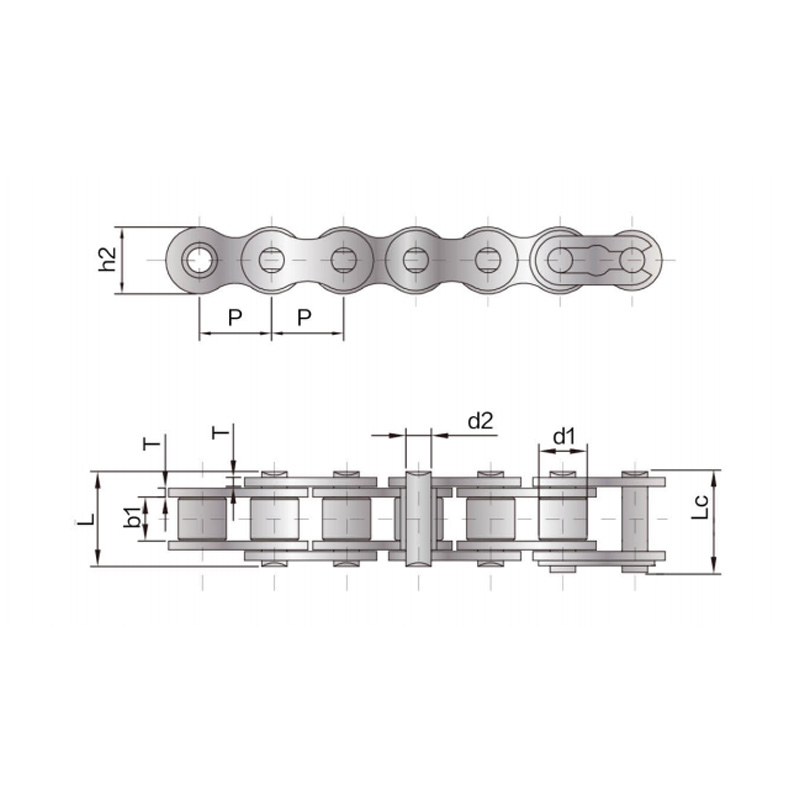
The tensile strength and fatigue strength of the B series short pitch precision roller chain reach 1...
See Details
The Heavy-duty precision roller chain adopts a thickened chain plate design based on the short-pitch...
See Details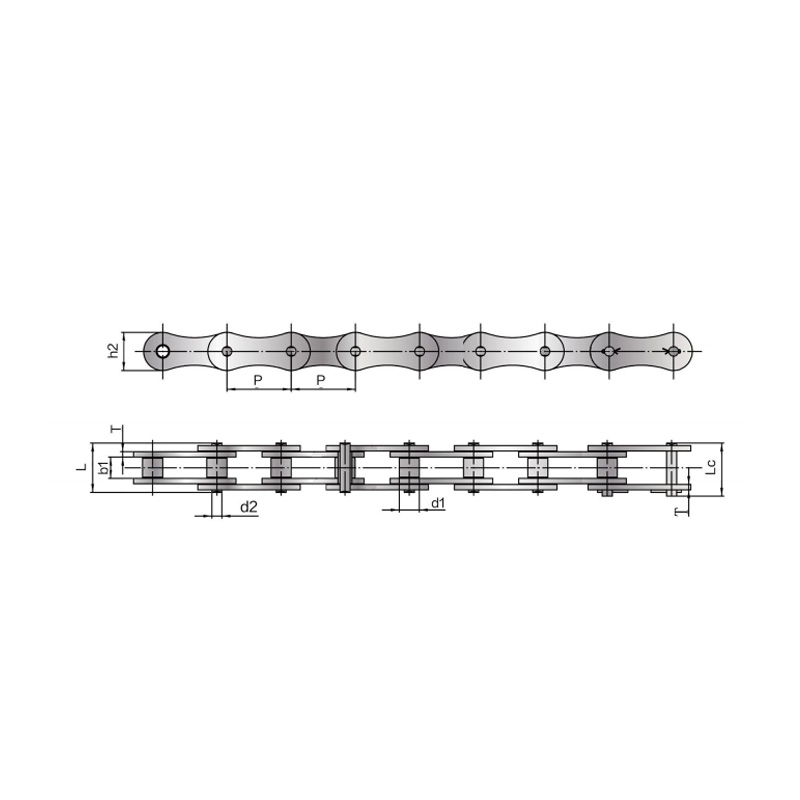
The double pitch driving chain complies with various international standards. The pitch of the doubl...
See Details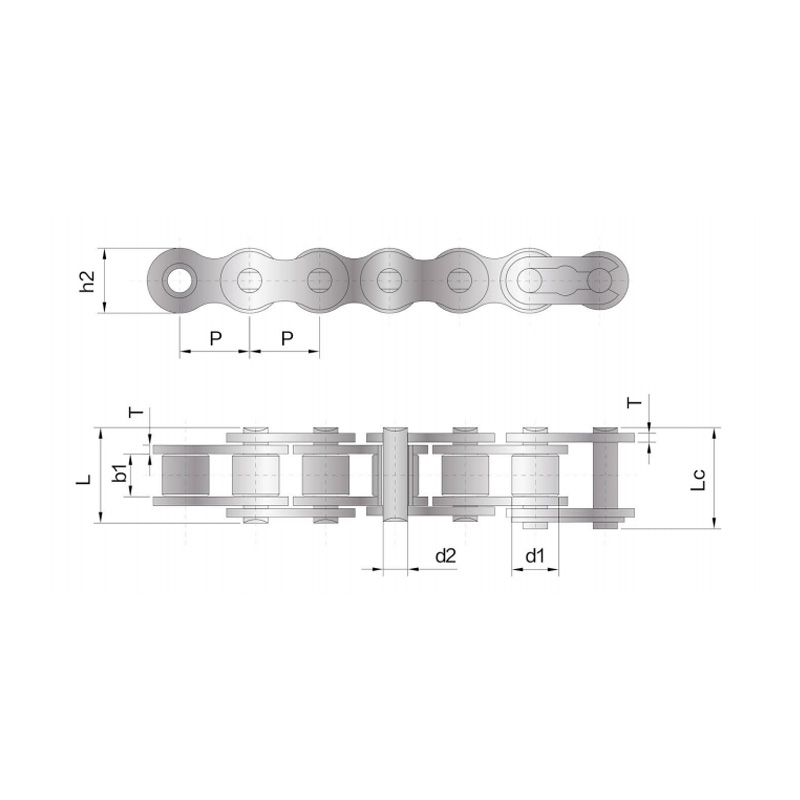
We also produce single row roller drive chains in more sizes and varieties. Customised products, sui...
See Details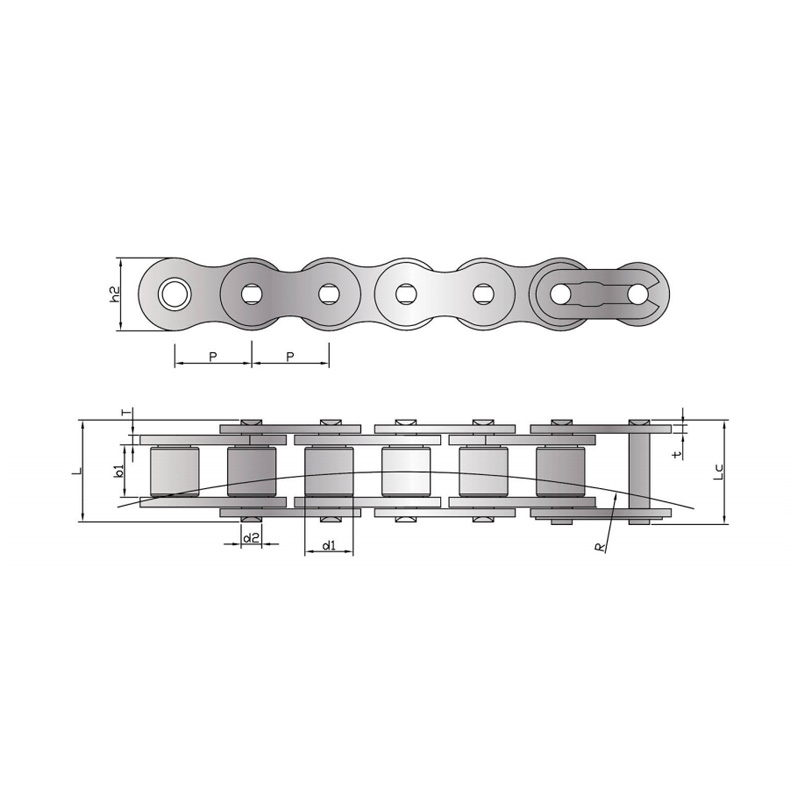
Side bow chain refers to changing the size of parts in the design of short-pitch precision roller ch...
See Details
The Anti-Sidebow chain for pushing window is a functional product with specially designed parts and ...
See Details
The A series short-pitch straight plate precision roller chain has a smaller pitch, a relatively lar...
See Details© Suzhou Fubang Machinery Chain Transmission Manufacturing Co., Ltd. Stainless Steel Roller Chains Manufacturers Conveyor Chains Suppliers
