 简体中文
简体中文 English
 русский
 Español
Fubang is a professional manufacturer specializing in the design, production and sales of stainless steel chains.
Our A series short pitch precision roller chains comply with various international standards and are...
See Details
Content
Most conveyor lines fail not because of motor failure or belt wear — they fail because workpieces get damaged during accumulation. A circuit board scratched by a sliding chain, or an automotive part dented at a buffer station, costs far more than the chain itself. That's precisely the problem conveyor chains for industrial production lines with free flow design were built to solve.
A free flow conveyor chain runs continuously, but the goods sitting on top of it don't have to. When a stopper is triggered — by a sensor, a manual signal, or a downstream jam — the workpiece halts while the chain keeps moving underneath. The secret is a set of freely rotating top rollers built into the chain links. Instead of gripping the pallet or tray, these rollers spin in place, eliminating friction and preventing surface damage.
Standard roller chains can technically do this too, but the chain slides directly against the workpiece bottom, leaving marks and accelerating wear on both sides. Free flow chains solve this with a clean mechanical separation: the drive force stays in the chain, the contact stays gentle.
Not all free flow conveyor chain designs are interchangeable. Choosing the wrong type leads to premature wear or poor pallet stability. Here's a practical breakdown:
| Type | Key Feature | Best For |
|---|---|---|
| Double Plus Chain | Double pitch, flat plates, R or S rollers | Long-distance, low-speed lines |
| Outboard Roller – Side Type | Side-mounted outboard rollers | Pallet guidance, lateral support |
| Outboard Roller – Top Type | Top-mounted rollers for direct load contact | Short-distance, precise positioning |
| Roller Table Chain | ST/RT roller configuration | Heavy-load accumulation, buffer zones |
Double Plus chains are the most widely deployed. Their double pitch reduces the number of joints per meter, which means less wear points and lower noise over long conveyor spans. Top roller chains are preferred in electronics assembly, where small components need tight positioning tolerances. Roller Table chains handle the heaviest accumulation loads and are common in automotive body-in-white lines.
Getting the chain type right is step one. Sizing it correctly is step two — and where most specification errors happen.
Free flow chain conveyors have become the default choice in any production environment where controlled accumulation matters.
Automotive: Body panels, seats, and sub-assemblies cycle through dozens of assembly stations. Buffer zones between stations are essential to maintain line balance without damage. Specialized conveyor chains for automobile production lines are engineered to handle the stop-start cycles and heavy pallet loads typical in these environments.
Electronics & Appliances: PCBs and finished devices sit on trays that pass through soldering, inspection, and packaging zones. Zero surface contact during accumulation is non-negotiable.
Food & Beverage: Hygiene requirements push toward stainless construction, but the need for gentle product handling is just as critical. Food-grade conveyor chain options combine corrosion resistance with the same free-roll accumulation benefits.
Logistics & Warehousing: Sortation systems and order-picking lines use free flow principles to create dynamic buffer zones without complex control systems.
Even well-specified free flow chains fail prematurely when installed or operated incorrectly. These are the errors that show up most often:
A correctly specified and maintained free flow chain will reliably handle millions of accumulation cycles. The investment in the right conveyor chains pays back quickly in reduced rework, lower scrap rates, and fewer unplanned stoppages.
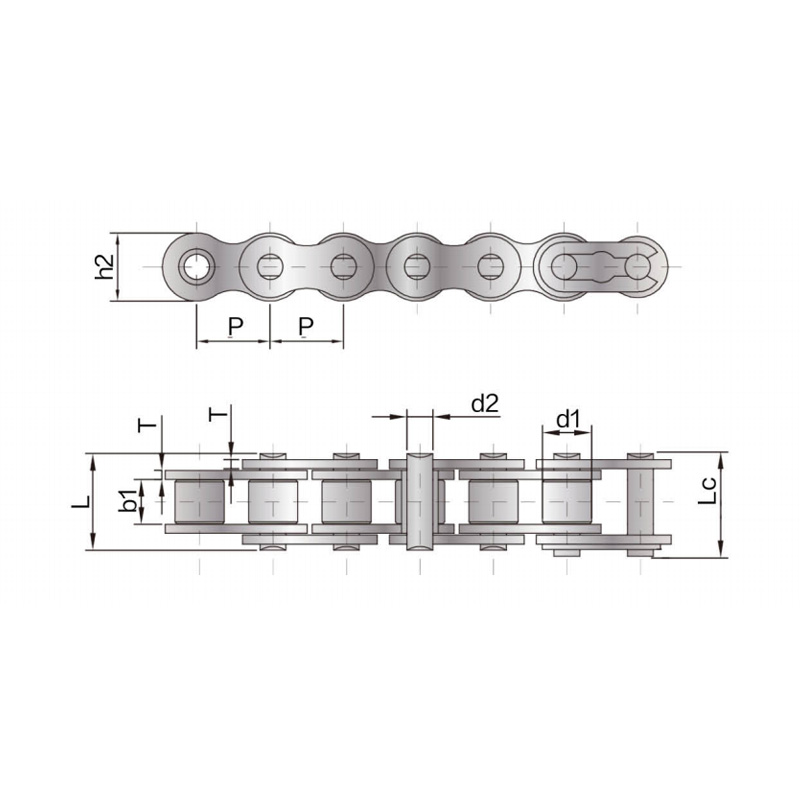
Our A series short pitch precision roller chains comply with various international standards and are...
See Details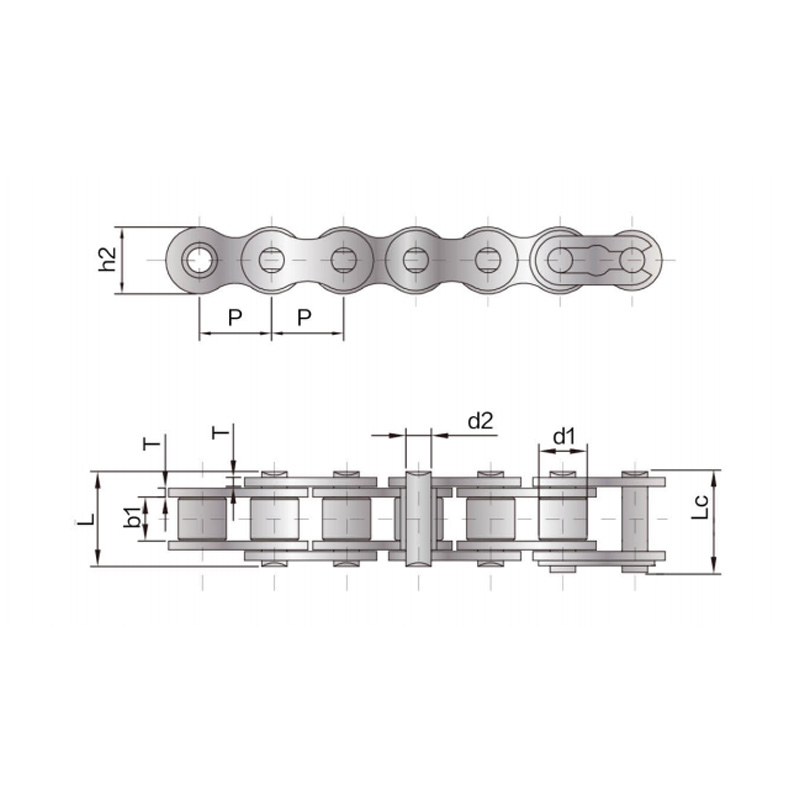
The tensile strength and fatigue strength of the B series short pitch precision roller chain reach 1...
See Details
The Heavy-duty precision roller chain adopts a thickened chain plate design based on the short-pitch...
See Details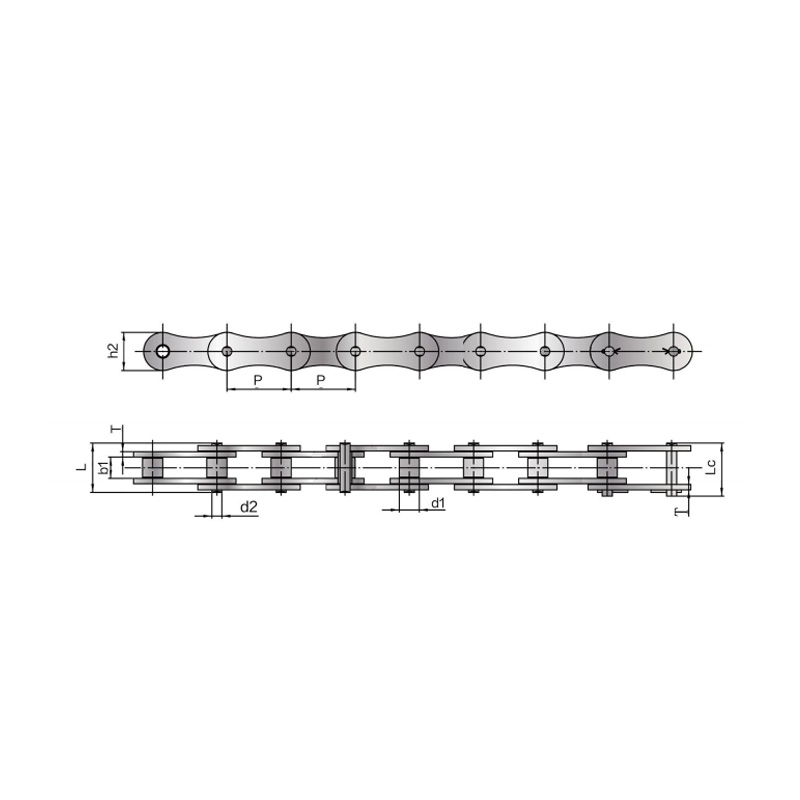
The double pitch driving chain complies with various international standards. The pitch of the doubl...
See Details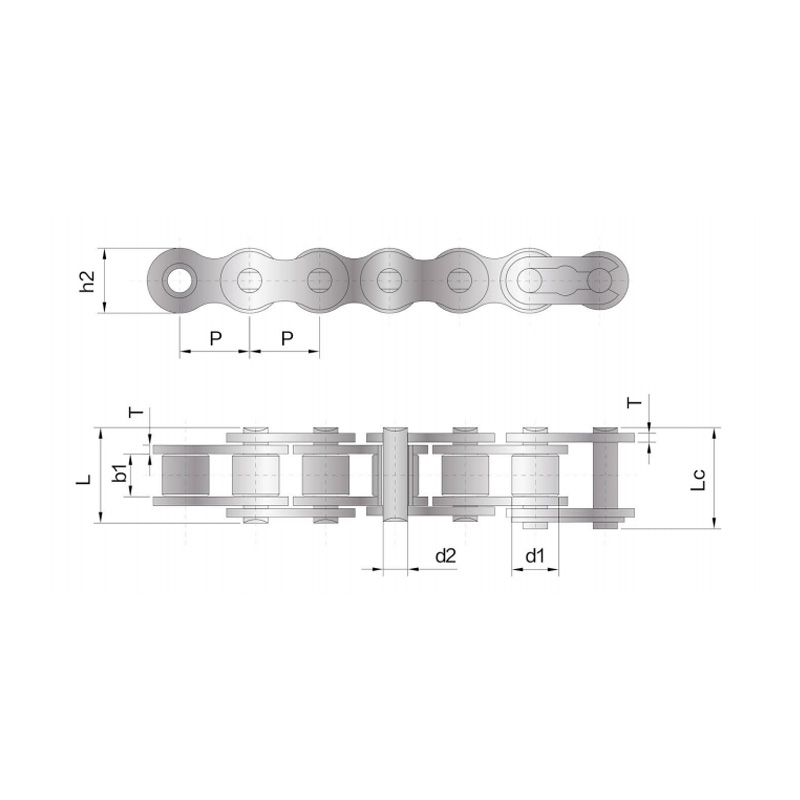
We also produce single row roller drive chains in more sizes and varieties. Customised products, sui...
See Details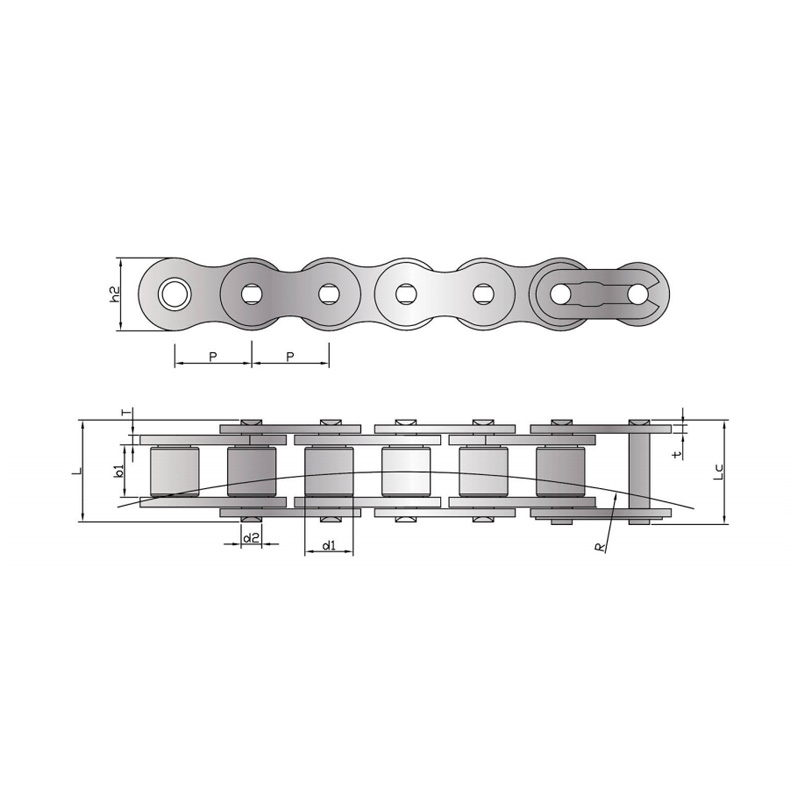
Side bow chain refers to changing the size of parts in the design of short-pitch precision roller ch...
See Details
The Anti-Sidebow chain for pushing window is a functional product with specially designed parts and ...
See Details
The A series short-pitch straight plate precision roller chain has a smaller pitch, a relatively lar...
See Details© Suzhou Fubang Machinery Chain Transmission Manufacturing Co., Ltd. Stainless Steel Roller Chains Manufacturers Conveyor Chains Suppliers
