 简体中文
简体中文 English
 русский
 Español
Fubang is a professional manufacturer specializing in the design, production and sales of stainless steel chains.
Our A series short pitch precision roller chains comply with various international standards and are...
See Details
Content
A roller chain specified at pitch 19.05 mm running on a 12.7 mm sprocket will fail within hours — not months. Yet mismatched chain selection remains one of the most common and avoidable causes of drivetrain downtime in industrial machinery. The fix isn't complicated, but it does require understanding what separates a precision roller chain from a generic one — and how to read the spec table correctly before you order.
The word precision isn't marketing language here — it refers to tight dimensional tolerances maintained across every component: pin diameter, bushing bore, roller diameter, and inner plate width. When these tolerances stack correctly, the chain meshes cleanly with the sprocket at speed, distributes load evenly across all contact points, and generates minimal vibration.
A non-precision chain, by contrast, allows cumulative tolerances that cause uneven tooth engagement. At high cycle rates, this translates directly into accelerated wear on both the chain and sprocket — even if the chain is initially strong enough for the application.
Short-pitch precision roller chains are governed by two primary standards: ANSI B29.1 (the American standard, used widely in North America) and ISO 606 (the international standard, also designated as DIN 8187 in European markets). These standards define pitch, roller diameter, plate thickness, and minimum tensile strength — the four dimensions that determine whether a chain will perform or fail.
The most frequent point of confusion in chain specification is the A/B series distinction. Both are short-pitch precision chains, but they originate from different dimensional standards and are not interchangeable.
Before specifying a replacement chain, always confirm which standard your sprocket was machined to. Running an ANSI chain on an ISO sprocket — or vice versa — creates the same misalignment problem as using the wrong pitch.
A well-structured chain specification table gives you everything needed for selection. Below is a representative extract from the A series range, covering the most commonly specified sizes:
| Chain No. (FULONG / ANSI) | Pitch P (mm) | Roller Dia. d1 (mm) | Inner Width b1 (mm) | Tensile Strength Q (kN) | Weight (kg/m) |
|---|---|---|---|---|---|
| SS08A-1 / SS40-1 | 12.7 | 7.95 | 7.85 | 9.87 | 0.62 |
| SS10A-1 / SS50-1 | 15.875 | 10.16 | 9.40 | 15.54 | 1.02 |
| SS12A-1 / SS60-1 | 19.05 | 11.91 | 12.57 | 22.26 | 1.50 |
| SS16A-1 / SS80-1 | 25.4 | 15.88 | 15.75 | 39.69 | 2.60 |
| SS20A-1 / SS100-1 | 31.75 | 19.05 | 18.9 | 61.95 | 3.91 |
| SS24A-1 / SS120-1 | 38.1 | 22.23 | 25.22 | 72.5 | 5.62 |
| SS32A-1 / SS160-1 | 50.8 | 28.58 | 31.55 | 118.68 | 10.1 |
| SS48A-1 / SS240-1 | 76.2 | 47.63 | 47.35 | 330.4 | 23.2 |
Two columns deserve particular attention. Ultimate Tensile Strength (Q) is the chain's breaking load — your actual working load should typically not exceed 20–25% of this figure to account for dynamic shock loads. Weight per meter matters in high-speed applications: heavier chain generates greater centrifugal force at speed, which reduces effective tension and increases sprocket wear.
Chain selection ultimately comes down to matching three variables: load, speed, and environment. Here is how the pitch choice changes across common scenarios:
Standard carbon steel chains are adequate for dry, non-corrosive environments. For food processing, pharmaceutical, chemical, or outdoor applications, stainless steel grades — SS304, SS316, SS316L, SS321, or SS2205 duplex — provide the corrosion resistance needed without compromising tensile strength. The choice of grade depends on the specific corrosive agent: chloride-heavy environments (coastal, marine, certain food brines) demand SS316 or higher, while general corrosion resistance is satisfied by SS304.
Lubrication method also changes with speed and load. Manual periodic lubrication is acceptable at low speeds; drip or bath lubrication becomes necessary above moderate speeds to prevent heat buildup at the pin-bushing interface — the most common wear point in any roller chain.
Confirm these five items before placing any chain order:
Getting these five right eliminates the majority of premature chain failures and avoids the cost of emergency replacement during production. For complex multi-strand or custom-attachment requirements, working directly with a manufacturer's technical team — rather than relying on catalog selection alone — is the most reliable path to the right specification.
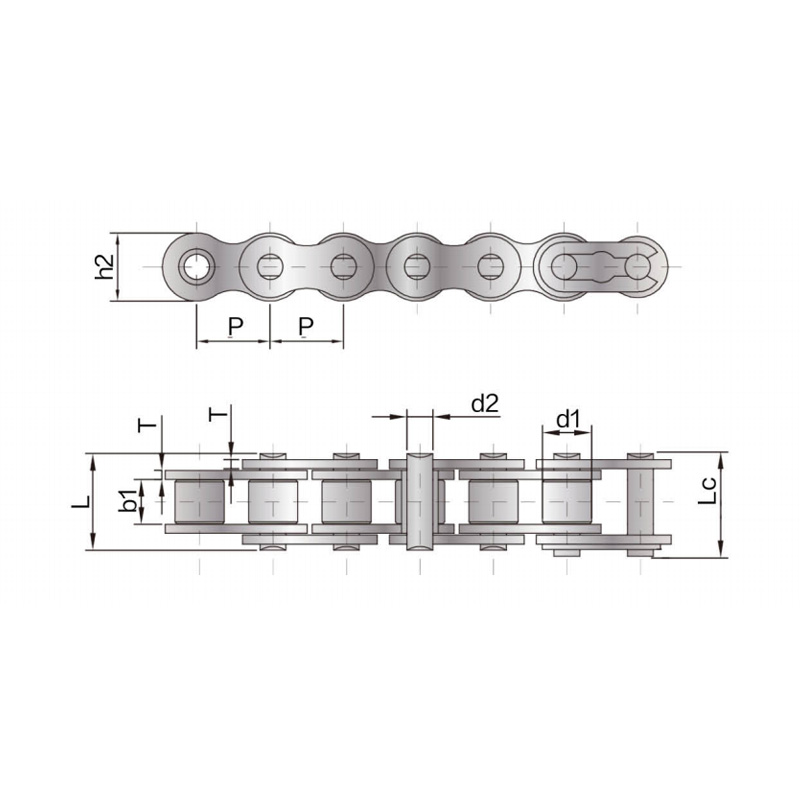
Our A series short pitch precision roller chains comply with various international standards and are...
See Details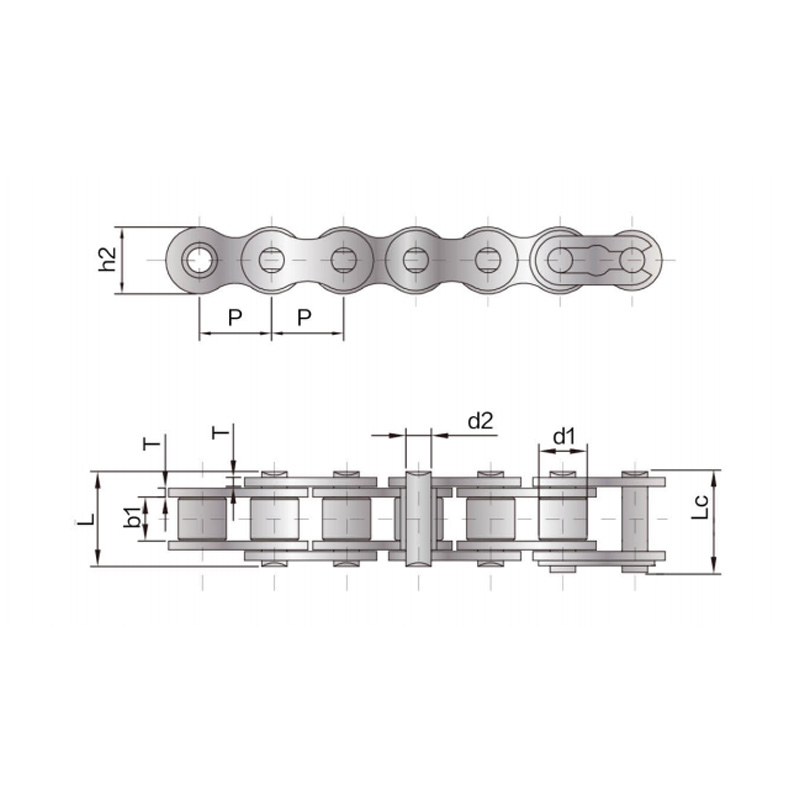
The tensile strength and fatigue strength of the B series short pitch precision roller chain reach 1...
See Details
The Heavy-duty precision roller chain adopts a thickened chain plate design based on the short-pitch...
See Details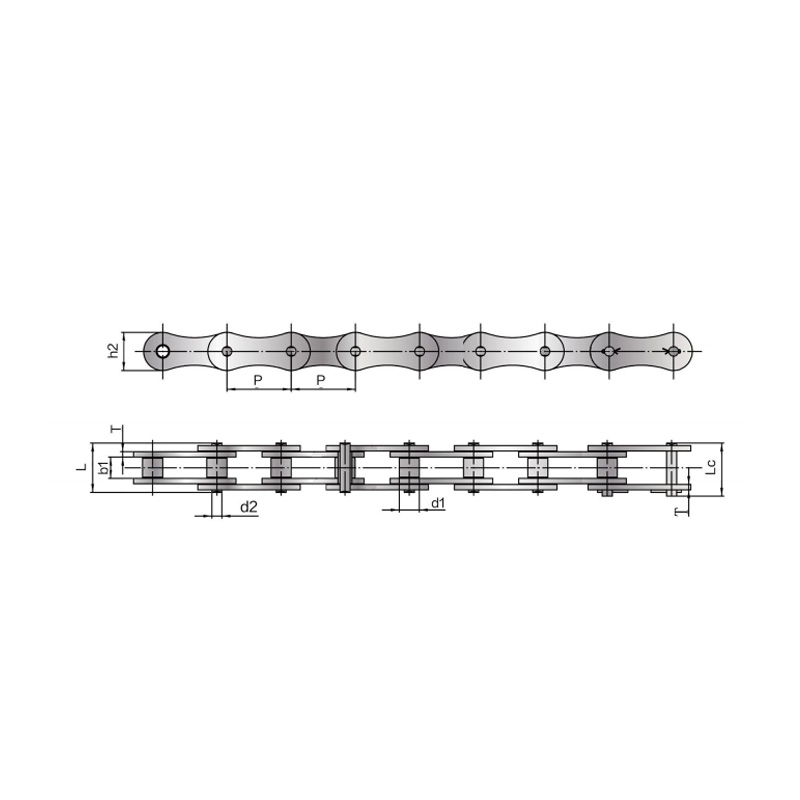
The double pitch driving chain complies with various international standards. The pitch of the doubl...
See Details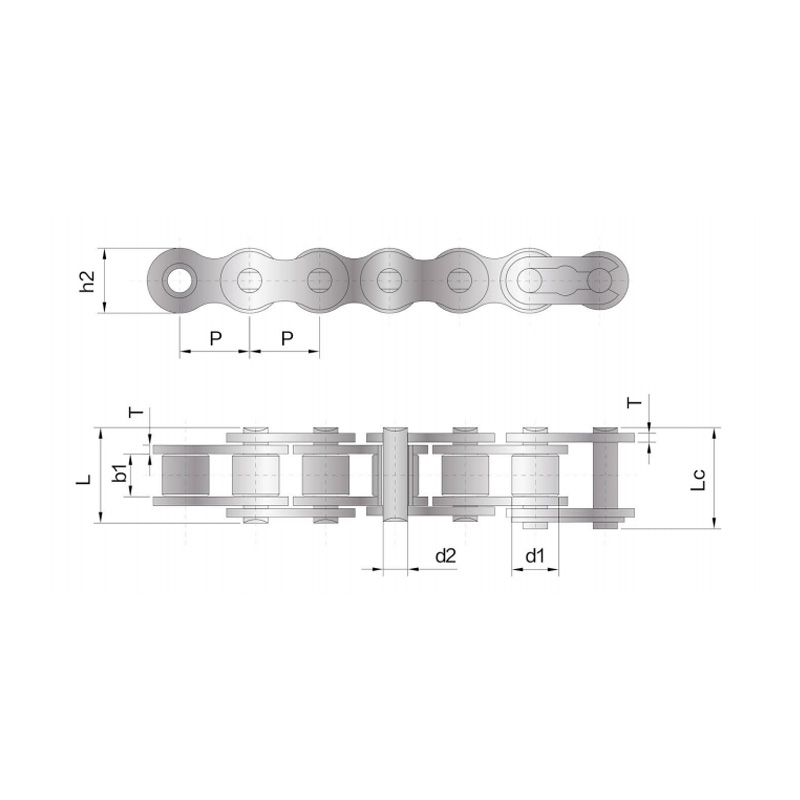
We also produce single row roller drive chains in more sizes and varieties. Customised products, sui...
See Details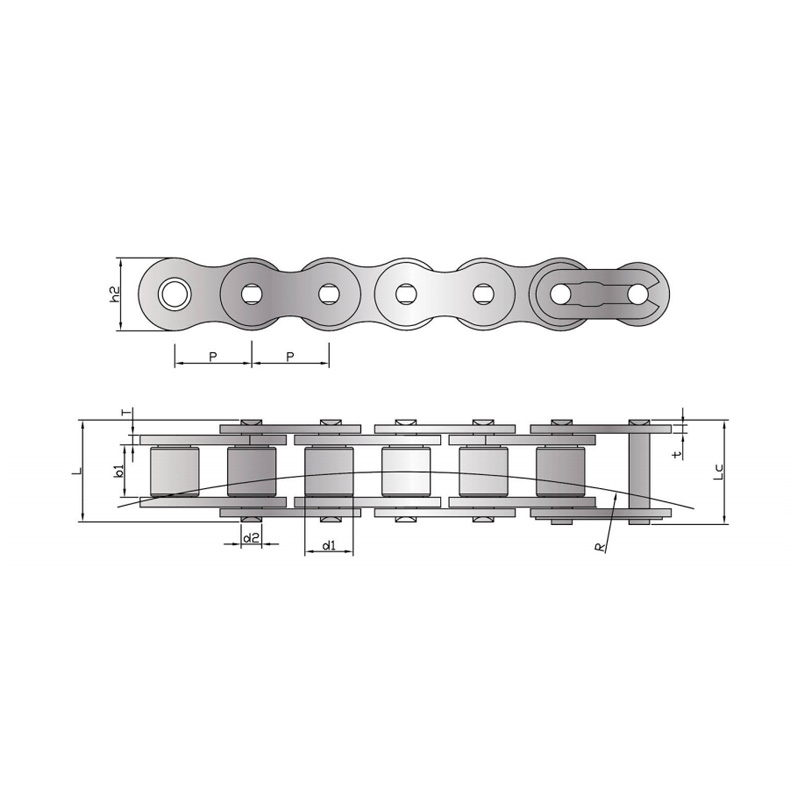
Side bow chain refers to changing the size of parts in the design of short-pitch precision roller ch...
See Details
The Anti-Sidebow chain for pushing window is a functional product with specially designed parts and ...
See Details
The A series short-pitch straight plate precision roller chain has a smaller pitch, a relatively lar...
See Details© Suzhou Fubang Machinery Chain Transmission Manufacturing Co., Ltd. Stainless Steel Roller Chains Manufacturers Conveyor Chains Suppliers
