 简体中文
简体中文 English
 русский
 Español
Fubang is a professional manufacturer specializing in the design, production and sales of stainless steel chains.
Our A series short pitch precision roller chains comply with various international standards and are...
See Details
Content
A chain fails at the worst possible moment — mid-shift, mid-batch, mid-season. In most cases, the root cause isn't wear or overload: it's the wrong material choice from the start. For engineers and procurement managers specifying chains in corrosive, high-load, or hygiene-sensitive environments, stainless steel welded chains and welded conveyor chains represent the only rational long-term choice. Here's what you need to know to get the selection right.
Unlike conventional roller chains assembled with press-fit components, welded chains are manufactured by fusing bent chain plates and sleeves together using dedicated welding equipment. The result is a monolithic link — no loose rollers, no mechanical gaps — with superior resistance to distortion under shock loads.
Two primary variants exist in the market. The WR series applies heat treatment only to pins and sleeves, making it cost-effective for moderate applications. The WH series heat-treats all components, delivering higher tensile strength across the board. For demanding environments — dusty forestry operations, heavy agricultural conveying, or abrasive bulk material handling — the WH series is the default recommendation.
Stainless steel construction adds a second layer of performance. welded offset chains in SS304, SS316, and SS316L grades provide corrosion resistance that carbon steel simply cannot match in wet, acidic, or washdown-heavy environments.
Selecting the right chain without reviewing load data is guesswork. The table below shows representative specifications for stainless steel welded offset chains (SSWR series), covering the pitch, tensile strength, and weight ranges most commonly specified in industrial conveying systems:
| Chain No. | Pitch (mm) | Pin Diameter (mm) | Min. Tensile Strength (KN) | Weight (kg/m) |
|---|---|---|---|---|
| SSWR78 | 66.27 | 12.78 | 65.38 | 6.2 |
| SSWR106 | 152.4 | 19.13 | 118.3 | 10.56 |
| SSWR124H | 103.2 | 22.3 | 193.06 | 19.68 |
| SSWR150 | 153.67 | 25.4 | 434 | 20.5 |
| SSWR157 | 153.67 | 28.57 | 574 | 20.8 |
Two things stand out in this data. First, tensile strength scales dramatically with pin diameter — moving from SSWR78 (65 KN) to SSWR157 (574 KN) is nearly a 9× increase. Second, weight per meter stays relatively consistent in the heavier range, which means engineers can upgrade load capacity without proportionally increasing system mass. That matters in overhead conveying and vertical lift applications.
The stainless grade drives corrosion performance more than any other single variable. SS304 covers the majority of applications: food processing, indoor conveyors, electronics assembly, and general manufacturing where moisture is intermittent. It offers strong weldability and good mechanical properties at moderate cost.
SS316 adds molybdenum to the alloy, which significantly improves resistance to chloride-induced pitting. This makes it the correct choice for marine environments, chemical plants, pharmaceutical washdown lines, and sewage treatment systems. Where frequent contact with saltwater, bleach-based sanitizers, or acidic cleaning agents occurs, SS316 is not optional — it's mandatory.
SS316L (low carbon) reduces the risk of sensitization during welding, making it the preferred grade when chains require post-weld fabrication or operate continuously at elevated temperatures. For food machinery conveyor chain applications involving steam sterilization or CIP (clean-in-place) cycles, SS316L is the specification that survives long-term.
Beyond these three, grades such as SS321, SS310, SS2205 (duplex), and SS630 are available for extreme temperature or high-stress scenarios. Matching grade to environment at the specification stage, not after the first failure, is what separates a sound procurement decision from an expensive lesson.
Welded conveyor chains hold specific advantages over roller chains and engineering-class chains in four categories:
Even the best stainless steel welded chain will underperform if maintenance is neglected. Three practices make the largest difference:
Lubrication frequency. Stainless steel has a lower surface hardness than carbon steel, which means pin-bushing interfaces wear faster without adequate lubrication. In dry or food-grade environments where petroleum lubricants are prohibited, food-safe synthetic lubricants applied at regular intervals are non-negotiable.
Tension monitoring. Welded chains operating under heavy loads elongate over time. Measuring pitch elongation against the manufacturer's wear limit (typically 2–3% elongation signals replacement) prevents the chain from climbing sprocket teeth and causing catastrophic failures. Check tension every 500 operating hours in high-load applications.
Visual weld inspection. Before installation and at scheduled intervals, inspect welds for cracking, especially at the sleeve-to-plate junction. In high-vibration environments, micro-fractures propagate quickly. Catching them early is the difference between a planned replacement and an unplanned shutdown.
For a full walkthrough of inspection intervals and replacement criteria, the maintenance guide for welded offset chains covers the specifics in depth.
Use this framework before finalizing any stainless steel welded chain order:
Stainless steel welded chains and welded conveyor chains earn their premium over standard options through structural reliability in exactly the conditions where standard chains fail fastest: heavy loads, abrasion, corrosion, and impact. The specification decisions that matter most — grade selection, series (WR vs. WH), and load safety factor — are all knowable before the chain ships. Getting them right at the design stage eliminates the reactive costs of early failure and unplanned downtime.
For engineers reviewing the full welded chain product range including flat top and offset variants, comparing specifications across series is the most efficient way to narrow the selection before requesting a custom quote.
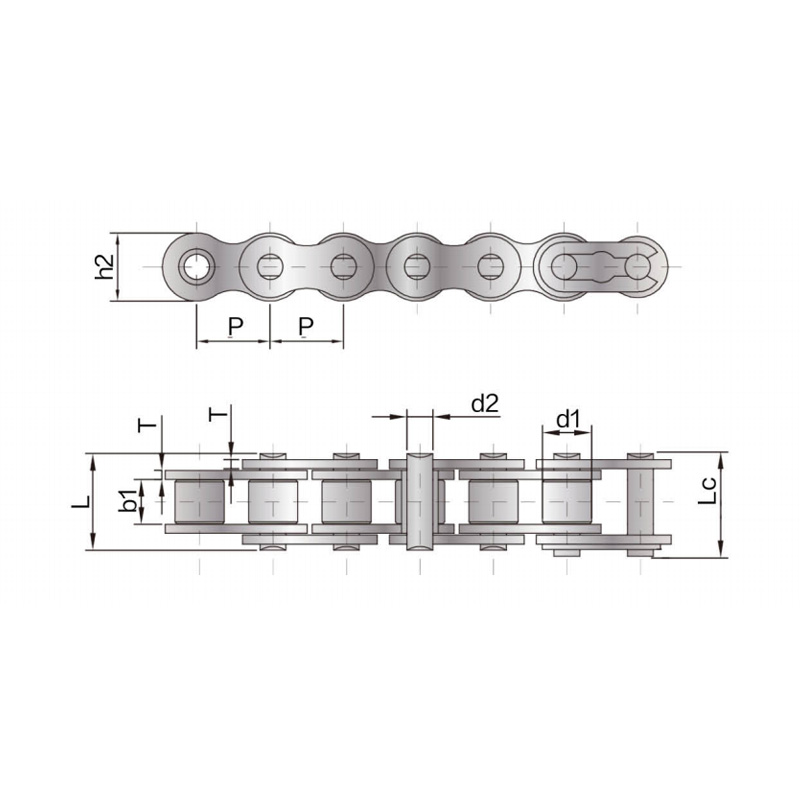
Our A series short pitch precision roller chains comply with various international standards and are...
See Details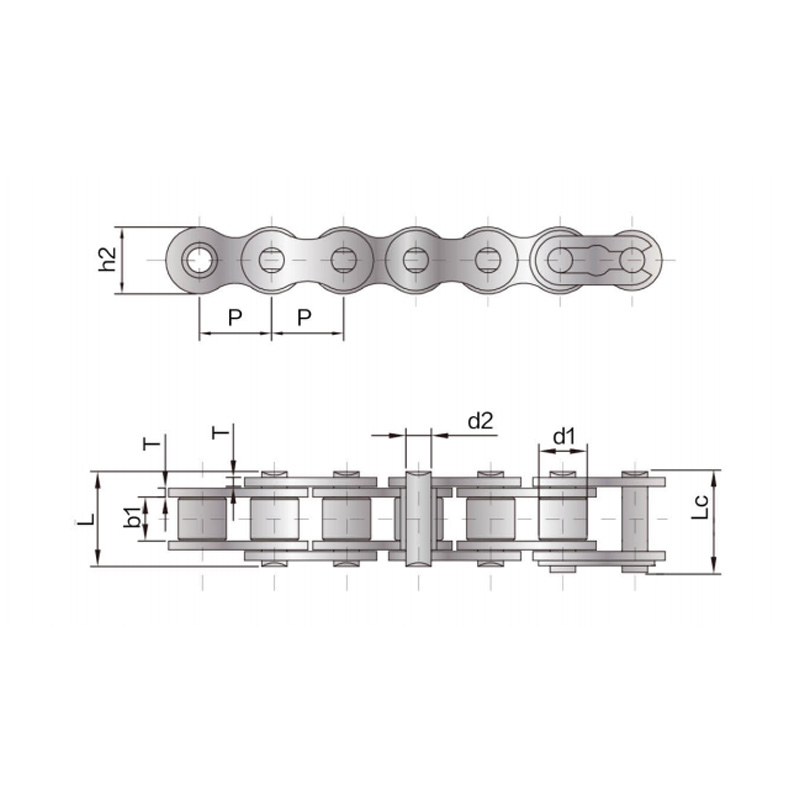
The tensile strength and fatigue strength of the B series short pitch precision roller chain reach 1...
See Details
The Heavy-duty precision roller chain adopts a thickened chain plate design based on the short-pitch...
See Details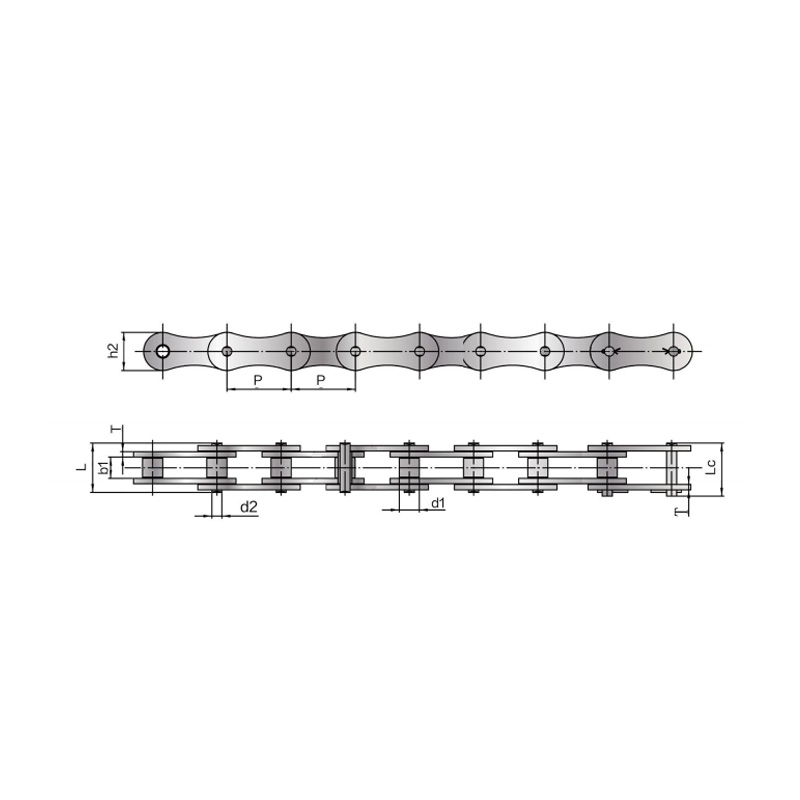
The double pitch driving chain complies with various international standards. The pitch of the doubl...
See Details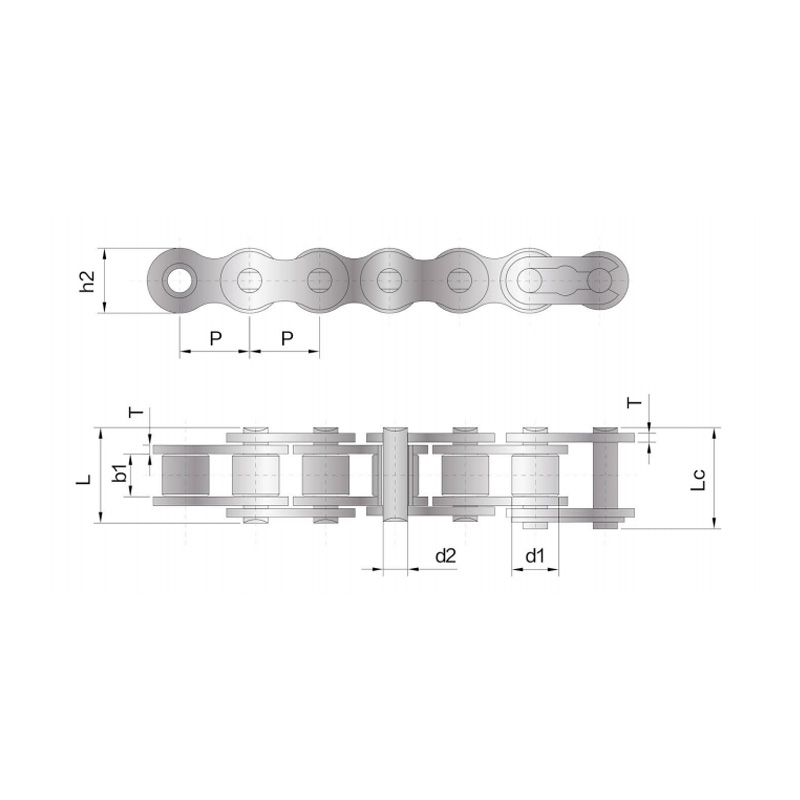
We also produce single row roller drive chains in more sizes and varieties. Customised products, sui...
See Details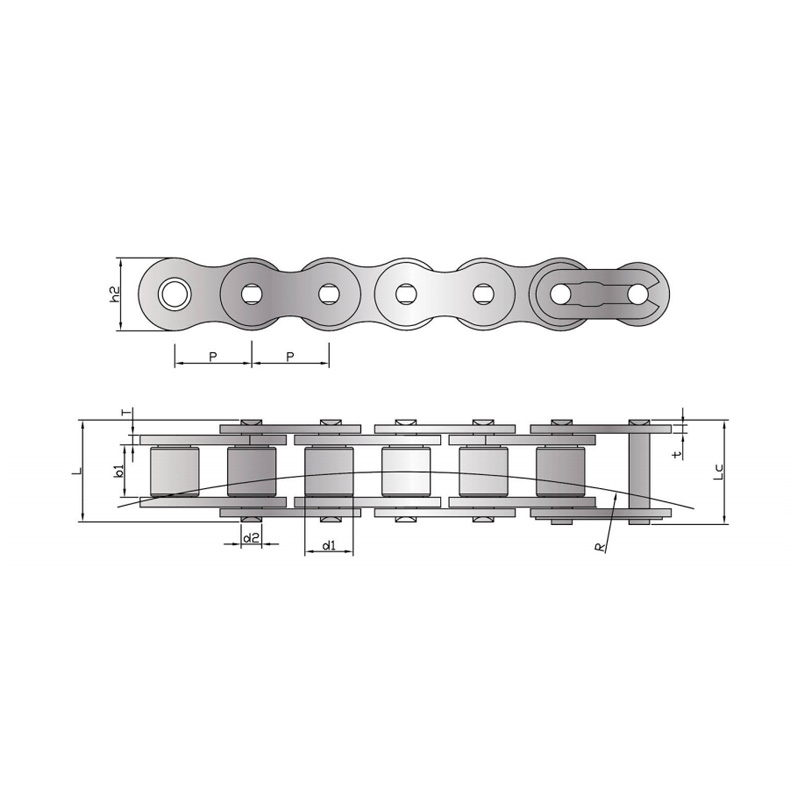
Side bow chain refers to changing the size of parts in the design of short-pitch precision roller ch...
See Details
The Anti-Sidebow chain for pushing window is a functional product with specially designed parts and ...
See Details
The A series short-pitch straight plate precision roller chain has a smaller pitch, a relatively lar...
See Details© Suzhou Fubang Machinery Chain Transmission Manufacturing Co., Ltd. Stainless Steel Roller Chains Manufacturers Conveyor Chains Suppliers
