 简体中文
简体中文 English
 русский
 Español
Fubang is a professional manufacturer specializing in the design, production and sales of stainless steel chains.
Our A series short pitch precision roller chains comply with various international standards and are...
See Details
Content
Most conveyor chain failures trace back to one decision made before installation: choosing the wrong chain type for the job. Free flow conveyor chains and standard conveyor chains look similar on the surface but are engineered for fundamentally different scenarios. Pick the wrong one, and you pay for it in downtime, premature wear, and reduced throughput.
A free flow conveyor chain — also called a speed conveyor chain or double-plus chain — uses freely rotating top rollers mounted above the standard chain rollers. These top rollers allow pallets or carriers to stop at any workstation while the chain underneath continues moving. The chain keeps running; the product doesn't have to.
This decoupling of chain movement from product movement is the core advantage. In a standard conveyor chain, everything moves together — if one station stops, the line stops. A free flow chain eliminates that constraint entirely.
Typical pitch sizes for free flow chains run from 19.05 mm (BS25-C206B) to 50.8 mm (BS25-C216A). Weight per meter ranges from roughly 0.52 kg/m on the lighter end up to 4.06 kg/m for heavier-duty configurations. These specs matter when calculating load capacity and motor requirements for your system.
Standard industrial conveyor chains are built for continuous, synchronized movement. The load travels with the chain — no accumulation, no independent workstation control. This makes them ideal for applications where throughput is constant and process time per station is uniform, such as food processing lines, lumber conveyors, and bulk material handling.
Standard conveyor chains are available in a wide range of configurations: short-pitch precision roller chains (A and B series), double-pitch conveyor chains, chains with attachments, hollow pin chains, and solid pin M-series chains. Each variant is optimized for specific load types, speeds, and mounting requirements. Compliance with ISO 1977:2006 — the international standard for conveyor chains, attachments and sprockets — ensures dimensional interchangeability across chains and individual links, which simplifies replacement and reduces inventory risk.
The decision comes down to three variables: process flexibility, load weight, and station cycle time.
Use a free flow conveyor chain when:
Use a standard conveyor chain when:
Free flow systems are well-suited for motor parts manufacturing, household appliance assembly, electronics production, and automotive interior lines. Standard conveyor chains dominate in food machinery, metallurgy, sewage treatment, and agricultural equipment — environments where industry-specific chain configurations handle corrosive media, extreme loads, or strict hygiene standards.
Regardless of chain type, four specifications determine whether a chain will perform as expected in your system.
| Parameter | Why It Matters | Typical Range |
|---|---|---|
| Pitch | Determines sprocket compatibility and conveyor speed | 19.05 mm – 50.8 mm (standard series) |
| Tensile Strength | Sets the maximum safe working load | ≥35 kN for most industrial applications |
| Temperature Tolerance | Affects material choice (carbon steel vs. stainless) | -20°C to 120°C for standard; higher with SS grades |
| Standard Compliance | Ensures interchangeability and sourcing flexibility | ISO 1977, ANSI B29.1, BS, DIN |
For stainless steel applications — common in food processing, pharmaceuticals, and chemical environments — material grade matters as much as dimensions. Grades such as SS304, SS316, and SS316L offer different levels of corrosion resistance and should be matched to the specific chemical exposure in your facility.
Free flow chains require more attention to top roller condition — worn rollers create friction that defeats the accumulation function. Inspect rollers every 500–1,000 operating hours depending on load. For standard conveyor chains, the primary wear points are the pin-bush interface and roller contact surfaces. Elongation beyond 2–3% of original pitch is the standard replacement threshold.
Lubrication frequency, cleaning intervals, and tension checks all factor into the true cost of ownership. A well-maintained speed conveyor chain for free flow assembly systems can run reliably for years; a neglected one will fail within months regardless of initial quality.
The right chain for your application is never purely a catalog decision. Load profile, environmental conditions, integration with other equipment, and maintenance capability all feed into a specification that delivers consistent performance rather than just meeting a price point.
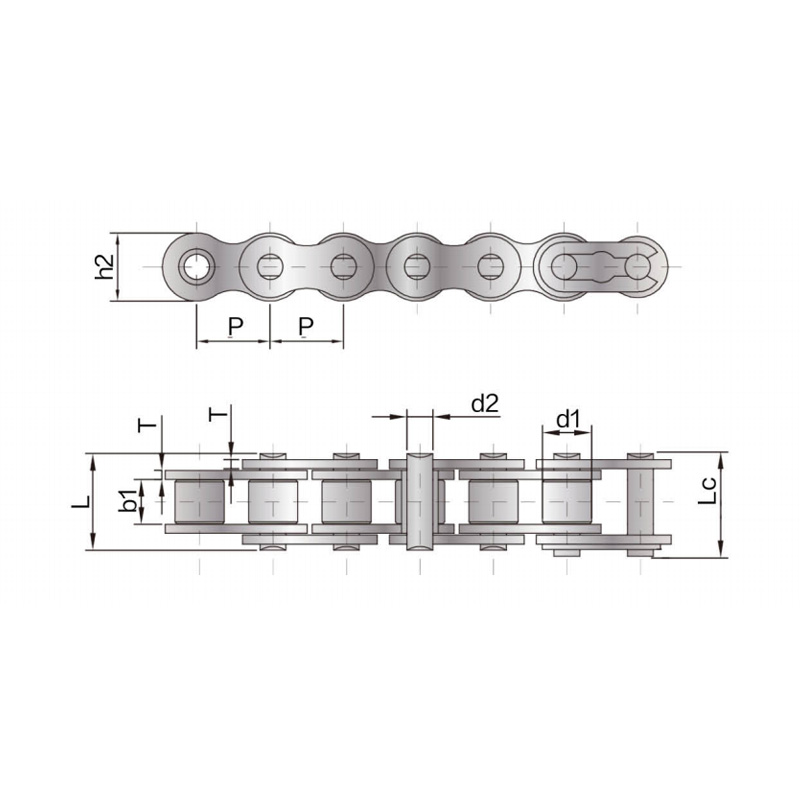
Our A series short pitch precision roller chains comply with various international standards and are...
See Details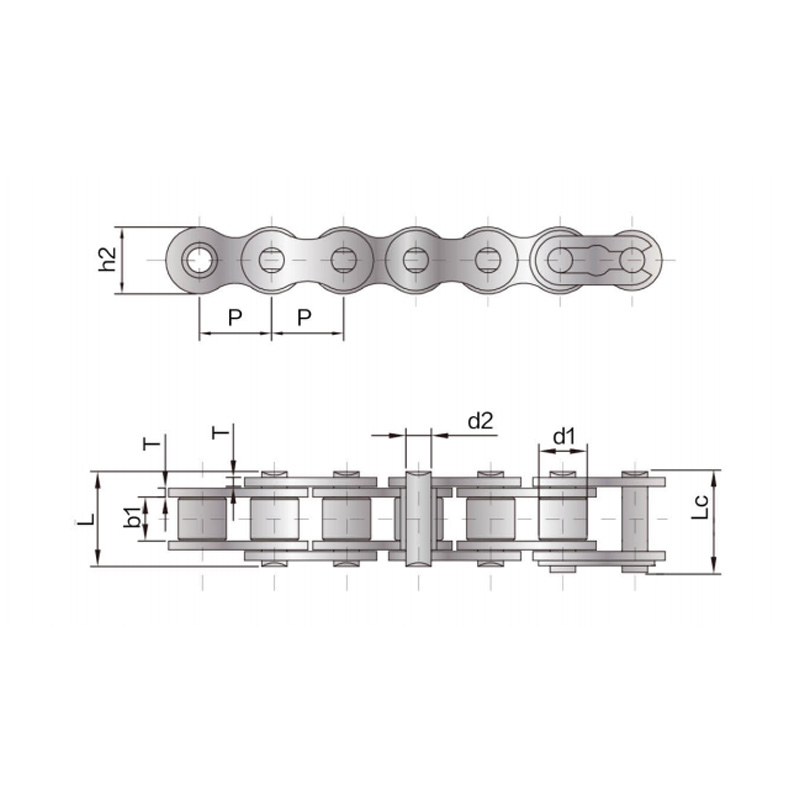
The tensile strength and fatigue strength of the B series short pitch precision roller chain reach 1...
See Details
The Heavy-duty precision roller chain adopts a thickened chain plate design based on the short-pitch...
See Details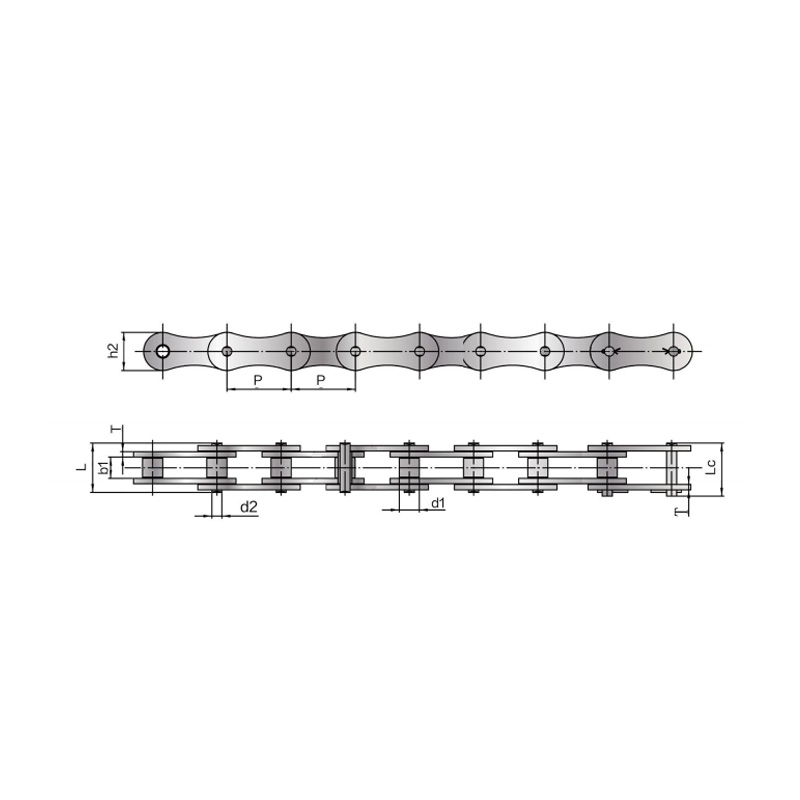
The double pitch driving chain complies with various international standards. The pitch of the doubl...
See Details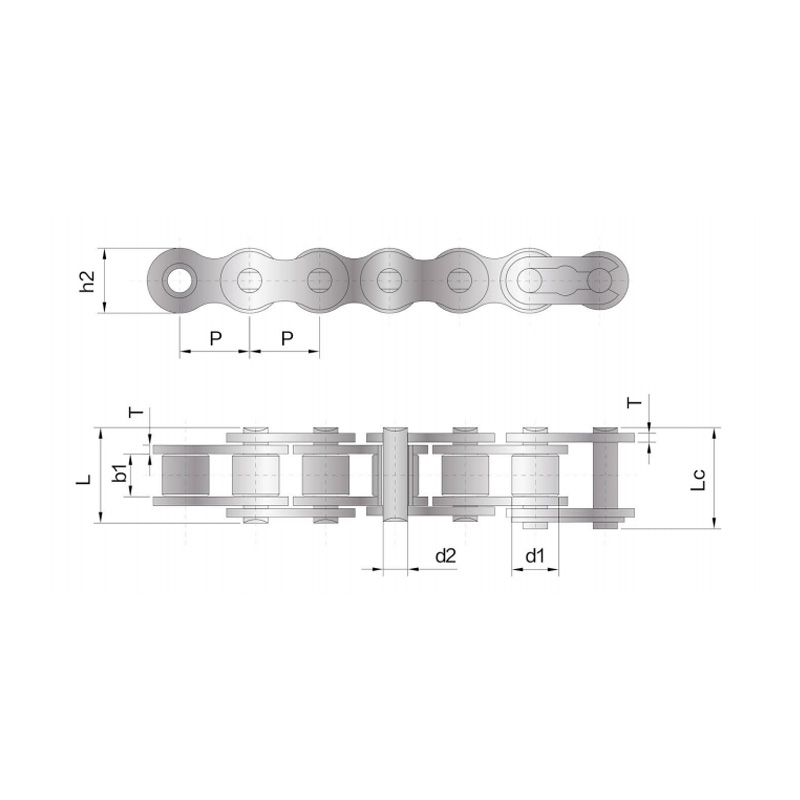
We also produce single row roller drive chains in more sizes and varieties. Customised products, sui...
See Details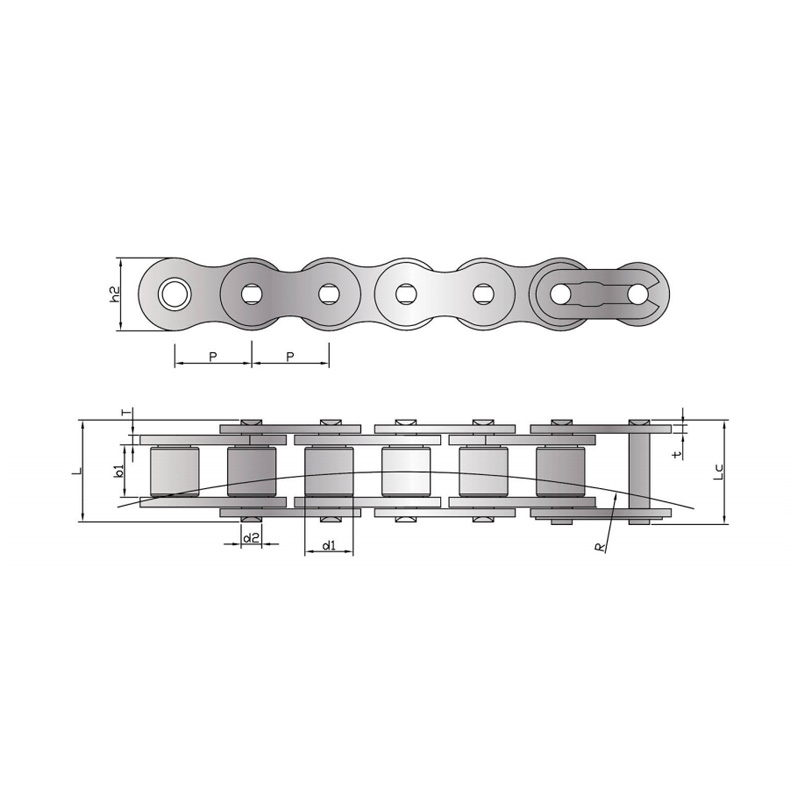
Side bow chain refers to changing the size of parts in the design of short-pitch precision roller ch...
See Details
The Anti-Sidebow chain for pushing window is a functional product with specially designed parts and ...
See Details
The A series short-pitch straight plate precision roller chain has a smaller pitch, a relatively lar...
See Details© Suzhou Fubang Machinery Chain Transmission Manufacturing Co., Ltd. Stainless Steel Roller Chains Manufacturers Conveyor Chains Suppliers
