 简体中文
简体中文 English
 русский
 Español
Fubang is a professional manufacturer specializing in the design, production and sales of stainless steel chains.
Our A series short pitch precision roller chains comply with various international standards and are...
See Details
Content
A gripper chain is a specialized conveyor or drive chain fitted with gripping attachments — typically spring-loaded fingers, clamps, or jaw mechanisms — that securely hold, transport, or position products along a production line. Unlike standard roller chains that simply transmit power, gripper chains actively grip and release workpieces at precise intervals, making them essential in high-speed automation environments.
They are most commonly found in printing presses, packaging machinery, textile manufacturing, and food processing lines, where consistent, repeatable product handling is critical. The gripping action is typically achieved through mechanical spring tension, pneumatic actuation, or cam-controlled mechanisms integrated directly into the chain links.
Gripper chains are not one-size-fits-all — their design varies significantly depending on the application, load requirements, and the nature of the material being handled. The main categories include:
Selecting the right gripper chain requires understanding the performance metrics that govern reliability and product quality. The most critical parameters are:
| Parameter | Definition | Typical Range |
|---|---|---|
| Pitch Accuracy | Dimensional tolerance between link centers | ±0.05 mm – ±0.15 mm |
| Grip Force | Clamping load per gripper unit | 5 N – 500 N |
| Elongation at Wear Limit | Maximum chain stretch before replacement | 1% – 3% of nominal length |
| Operating Speed | Maximum rated chain velocity | 0.5 m/s – 4.5 m/s |
| Service Life | Expected operational hours before overhaul | 8,000 – 25,000 hrs |
Pitch accuracy is especially critical in printing applications, where even a 0.1 mm deviation across a 10-meter press leads to visible registration errors. Service life, by contrast, tends to dominate the total cost of ownership calculation in high-volume packaging lines running three shifts.
Many engineers default to standard conveyor chains and attempt to add gripper attachments retrospectively, only to discover that the base chain's tolerances are too loose to deliver consistent grip timing. The distinction matters in three specific scenarios:
For slow-speed bulk material conveying below 0.5 m/s where grip precision is not critical, a standard attachment chain with simple finger plates is usually the more cost-effective solution.
A structured selection process prevents costly over-specification or early failure. Work through these five steps:
Consulting the chain manufacturer's application engineering team at the design stage — rather than after installation — typically reduces commissioning time by 30–50% and extends mean time between maintenance interventions significantly.
Even the highest-quality gripper chain will underperform if maintenance practices are inconsistent. The following routines are standard in well-managed production environments:
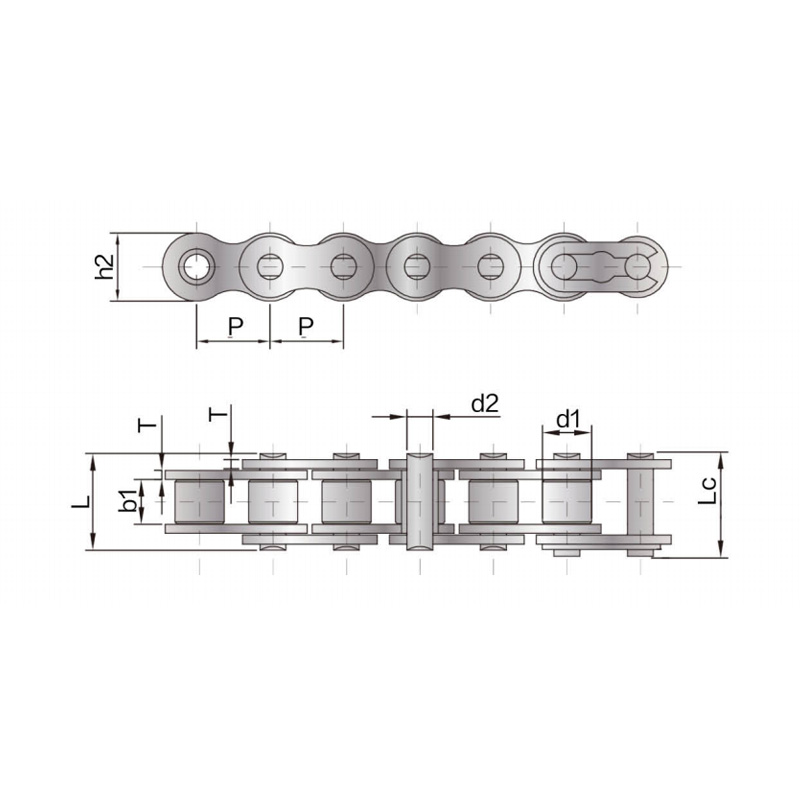
Our A series short pitch precision roller chains comply with various international standards and are...
See Details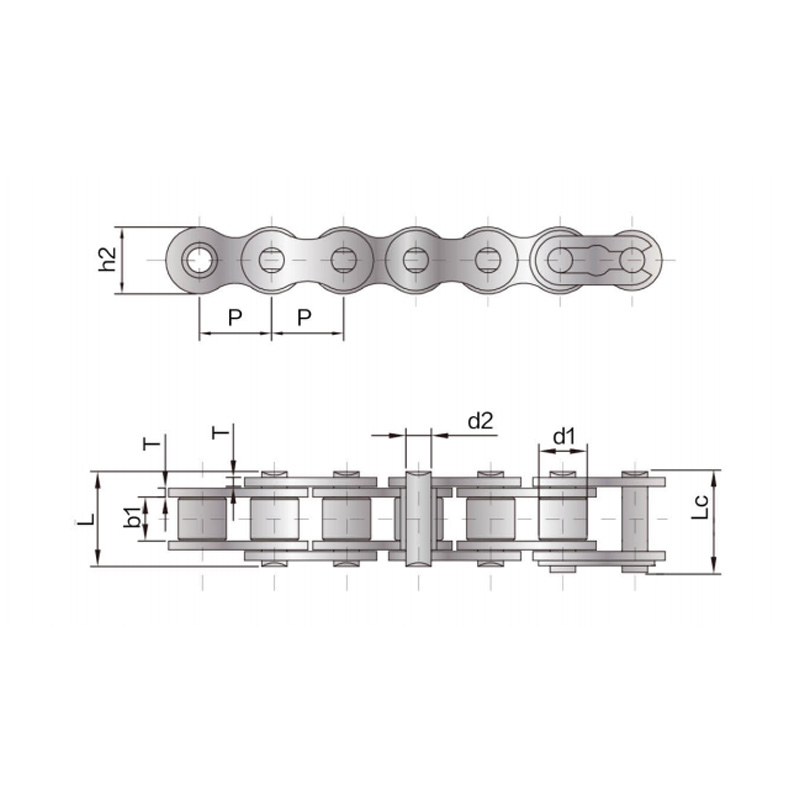
The tensile strength and fatigue strength of the B series short pitch precision roller chain reach 1...
See Details
The Heavy-duty precision roller chain adopts a thickened chain plate design based on the short-pitch...
See Details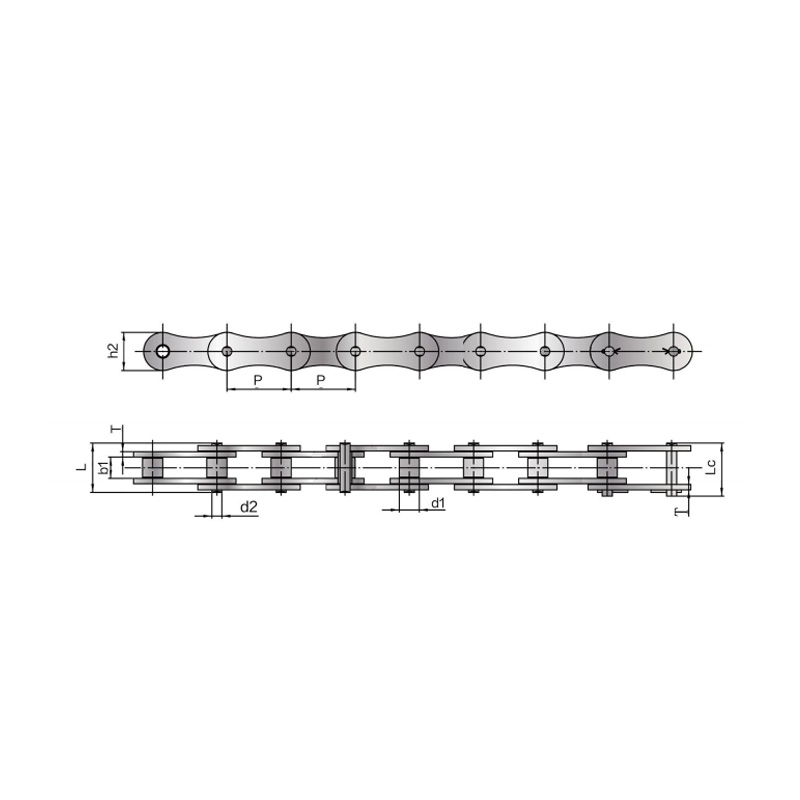
The double pitch driving chain complies with various international standards. The pitch of the doubl...
See Details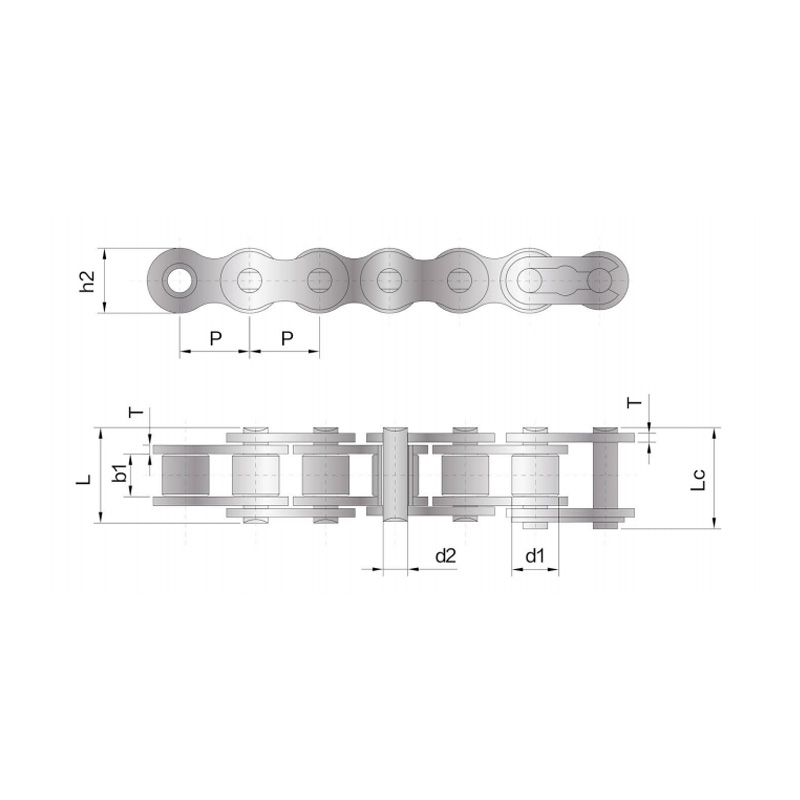
We also produce single row roller drive chains in more sizes and varieties. Customised products, sui...
See Details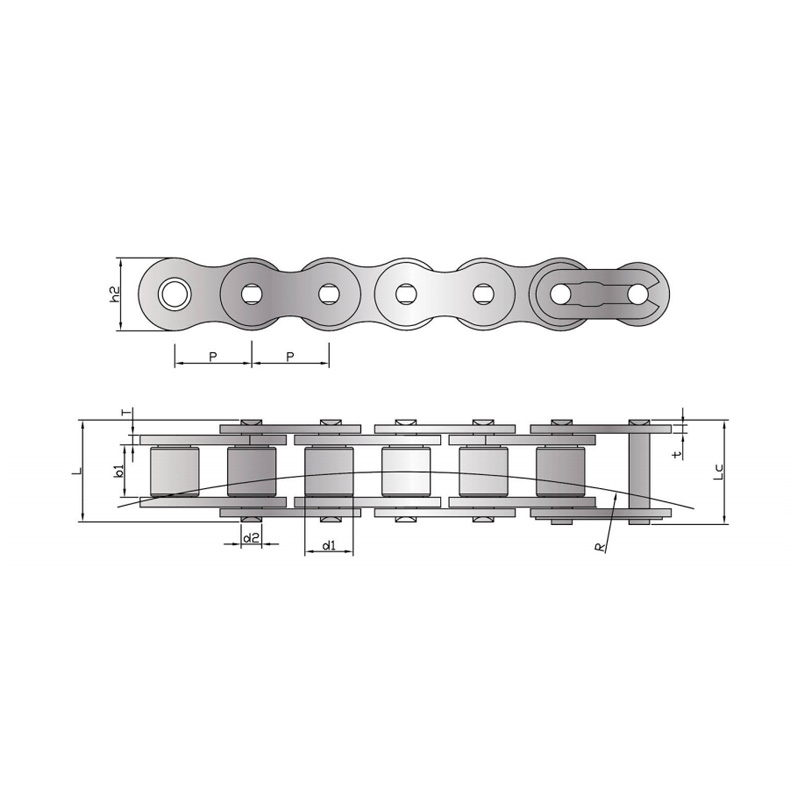
Side bow chain refers to changing the size of parts in the design of short-pitch precision roller ch...
See Details
The Anti-Sidebow chain for pushing window is a functional product with specially designed parts and ...
See Details
The A series short-pitch straight plate precision roller chain has a smaller pitch, a relatively lar...
See Details© Suzhou Fubang Machinery Chain Transmission Manufacturing Co., Ltd. Stainless Steel Roller Chains Manufacturers Conveyor Chains Suppliers
