 简体中文
简体中文 English
 русский
 Español
Fubang is a professional manufacturer specializing in the design, production and sales of stainless steel chains.
Our A series short pitch precision roller chains comply with various international standards and are...
See Details
Content
We have seen maintenance supervisors keep a shelf of spray cans labeled only "chain lube," with no one able to say which can belongs on which line. That confusion is more than an inventory problem: the wrong spray on an open roller drive can attract abrasive dust, disappear after the carrier evaporates, or contaminate a food-contact surface.
Here is the short answer: a chain lube spray can is a reliable lubrication tool for most open industrial chains when the formulation matches the operating environment and the application is done correctly. The can is simply a delivery system. The film it leaves behind does the work, and the same questions that motorcycle and bicycle owners ask — does spray lube really penetrate, and can I use silicone on a chain? — matter even more on a production line, where one seized conveyor chain halts everything downstream.
The math surprises most buyers: 50 to 80 percent of a typical spray can is solvent carrier, not lubricant. The carrier exists only to move the active ingredients into the small clearance between the pin and the bush, the actual wear zone of a chain. After a few minutes, the solvent evaporates and leaves a film of oil, wax, or solid lubricant.
The active part of the formulation determines how the chain behaves. Most cans include a base oil, a corrosion inhibitor, and anti-wear additives. Dry-film types add wax or solid lubricants such as molybdenum disulfide. Spray application works well on open chains because it reaches the articulation points without disassembly, which is exactly where chain wear begins.
The film type matters far more than the brand name. Here is a practical comparison based on the factory, food, and conveyor conditions we work with daily.
| Spray type | Film left behind | Best suited for | Main limitation |
|---|---|---|---|
| Solvent-based oil | Wet, oily film | Outdoor equipment, wet conditions, heavy loads | Attracts dust and grit where air is abrasive |
| Wax-based dry film | Dry, tack-free | Dusty plants, clean-machine zones, low-drip needs | Needs 5 to 15 minutes to dry; over-application causes buildup |
| Silicone spray | Thin low-friction film | Guides, slideways, lightly loaded conveyors | Too weak for load-bearing chain pin joints |
| PTFE or moly spray | Solid-lubricant film | High loads, slow speeds, high temperatures | Can accumulate if the chain is not cleaned regularly |
| Food-grade H1 spray | Oil, white-oil, or dry film | Food, beverage, and pharmaceutical conveyors | Premium price; H1 certificate must be verified |
Solvent-based oil sprays leave a wet, clingy film that performs well under heavy load and in wet or outdoor installations. Their weakness is dust: in an abrasive environment, a wet chain becomes a grinding surface within days.
Wax-based and dry-film sprays dry to a tack-free surface that does not catch dust. They suit clean-machine zones well, but they require enough drying time before the chain is run, and over-application causes sticky buildup inside the link plates.
Food-grade sprays carry an H1 approval for incidental food contact and are specified by quality and safety departments, not chosen by price. Silicone sprays have a place on guides and lightly loaded conveyors, but they lack the film strength for load-bearing chain pins. PTFE and moly sprays suit heavy, slow, or hot applications where ordinary oil would break down.
A good lubricant fails quickly when the application is sloppy. This is the sequence we recommend to every maintenance team:
Open roller chain drives are ideal candidates for spray lubrication. The pins and bushes are accessible, the chain can be rotated manually, and a fresh film every 100 to 200 operating hours is realistic for indoor service. Fubang manufactures short-pitch precision roller chains in A and B series, and we always talk about lubrication before we talk about price: the most precisely made chain will fail quickly without a compatible film. Our drive chain maintenance and common problems guide goes deeper into wear patterns and re-lubrication intervals.
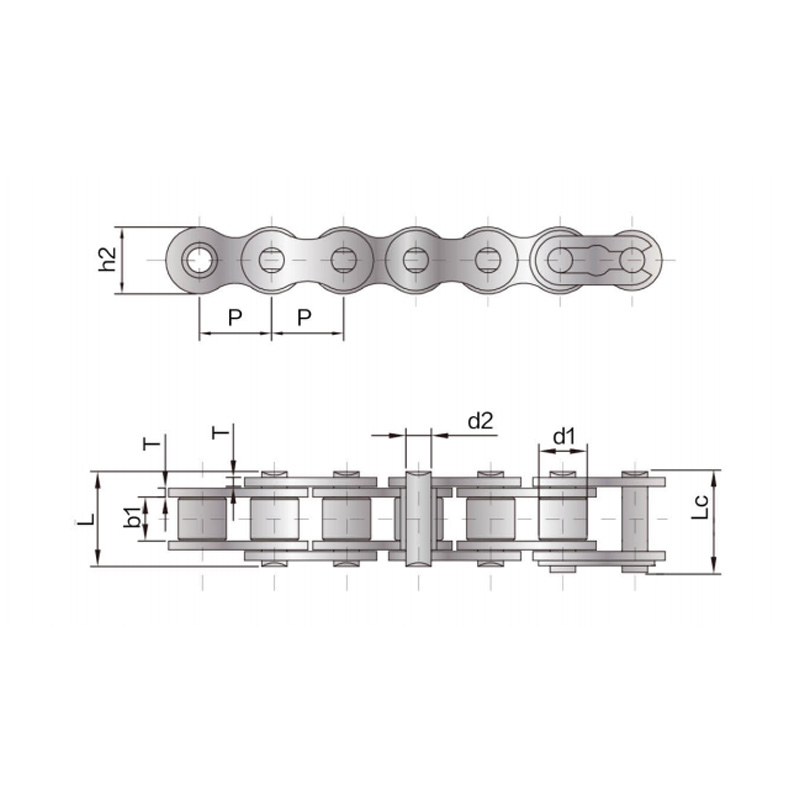 Short pitch precision roller Chains ( B series ) Manufacturers, Suppliers, FactoSuzhou Fubang: Wholesale Short pitch precision roller Chains ( B series ) Manufacturers, Short pitch precision roller Chains ( B series )...View Product →
Conveyor chains are usually exposed and easy to reach, which makes a spray can the most practical tool. In food plants, an NSF H1 food-grade spray is required wherever incidental food contact can happen. Stainless steel resists corrosion, but the pins and bushes still need a lubricant film between the articulating surfaces. Our stainless steel conveyor chain with attachments is a frequent choice for washdown lines precisely because it combines corrosion resistance with attachment flexibility.
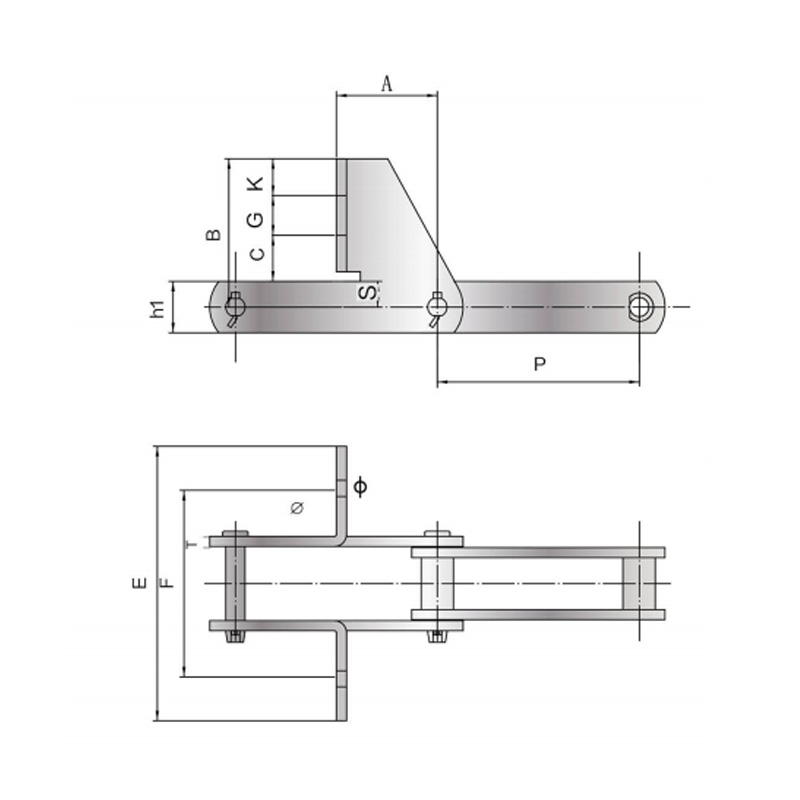 HSS HS HSC stainless steel conveyor Chains with attachment Suppliers, Factory - Suzhou Fubang Machinery Chain: Wholesale HSS HS HSC stainless steel conveyor Chain with attachment Suppliers and HSS HS HSC stainless ste...View Product →
Where the product rides directly on the conveying surface, flat-top conveyor chains run exposed and accept food-grade spray quickly between scheduled cleanings. In dry and dusty areas, switch to a wax-based dry film; a wet oil film turns into an abrasive paste.
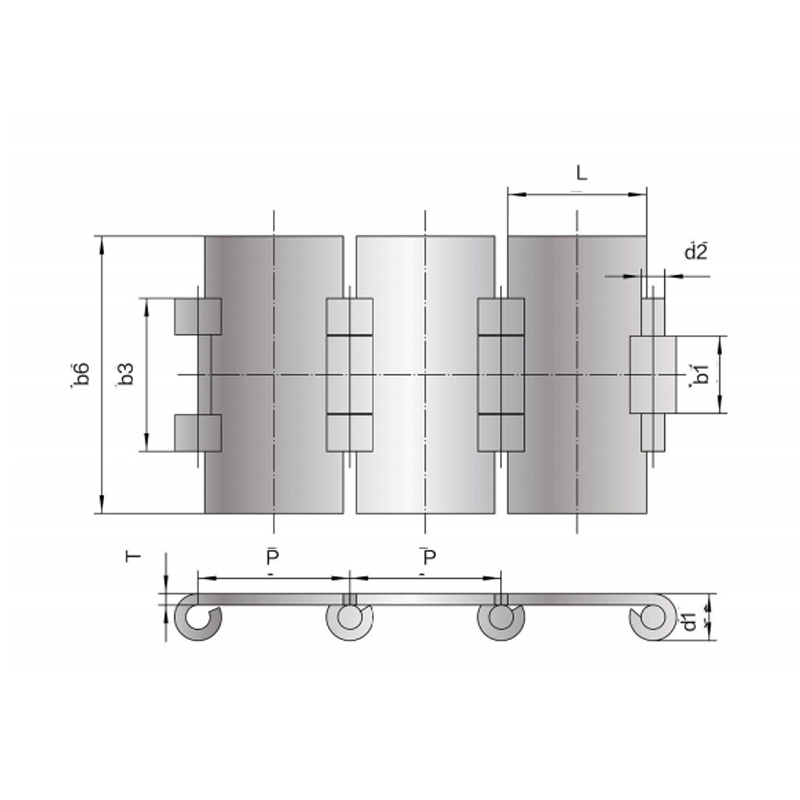 Flat top conveyor Chains Suppliers, Factory - Suzhou Fubang Machinery Chain TranSuzhou Fubang Machinery Chain: Wholesale Flat top conveyor Chain Suppliers and Flat top conveyor Chain Factory in China,The flat-top conv...View Product →
Stainless steel is chosen for corrosion resistance, not for a low friction surface. A stainless chain in a chemical washdown area can still fail from pin wear and galling if the film is washed away. A dry-film food-grade spray or a high-viscosity synthetic oil applied from a spray can works well, but the interval must match the washdown frequency — every eight hours, every shift, or weekly, depending on chemical load and temperature.
Spray cans are the wrong tool, however, for fully sealed chain cases, for very high speed drives above roughly 5 m/s under heavy load, or for operating temperatures beyond the rated range of the lubricant. In those situations, an enclosed oil-circulation system or an oil bath is required.
A spray can is a small purchase, but the wrong choice creates a recurring cost: faster chain wear, more downtime, and extra labor. These are the criteria we put on the table with procurement teams:
Before you commit to a lubricant, inspect the chain itself. A chain that is already stretched, stiff, or corroded cannot be saved by a spray can; it should be replaced before a new lubrication routine is introduced. If you are specifying a new chain for a demanding environment, our manufacturing and testing facility in Suzhou gives you direct visibility into material grades, production processes, and quality checks before a batch goes out.
A chain lube spray can will never replace a proper lubrication plan, but it remains one of the fastest and most effective ways to protect open industrial chains. Clean the chain, spray the correct film, let the carrier dry, wipe the outside, and log every application. Done consistently, the same unremarkable can will keep a roller chain and its sprockets running far beyond their expected service life. If you are unsure which lubricant your line needs, talk to a Fubang chain specialist before you buy the next can.
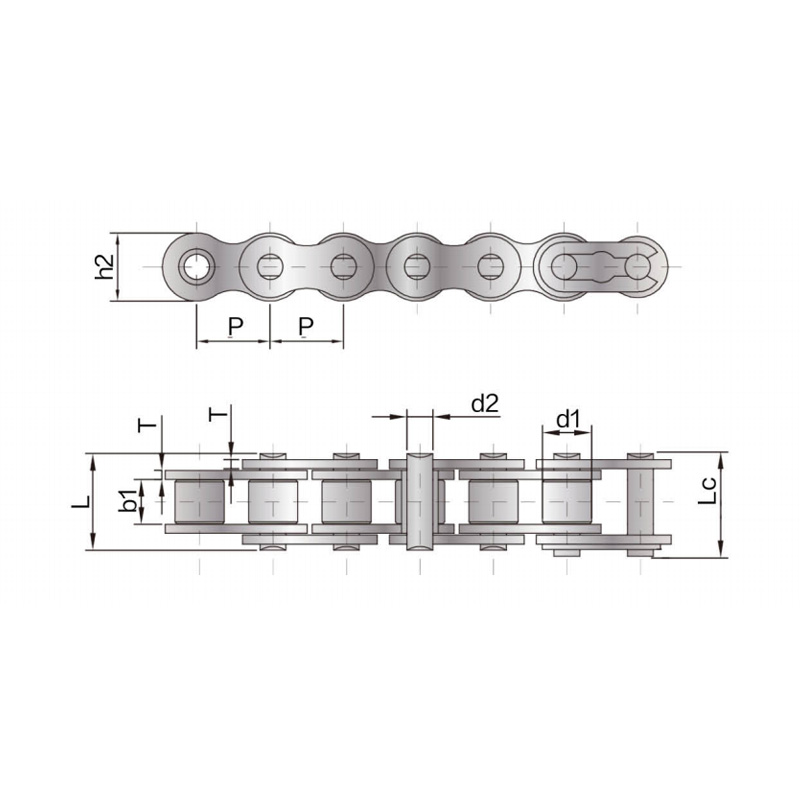
Our A series short pitch precision roller chains comply with various international standards and are...
See Details
The tensile strength and fatigue strength of the B series short pitch precision roller chain reach 1...
See Details
The Heavy-duty precision roller chain adopts a thickened chain plate design based on the short-pitch...
See Details
The double pitch driving chain complies with various international standards. The pitch of the doubl...
See Details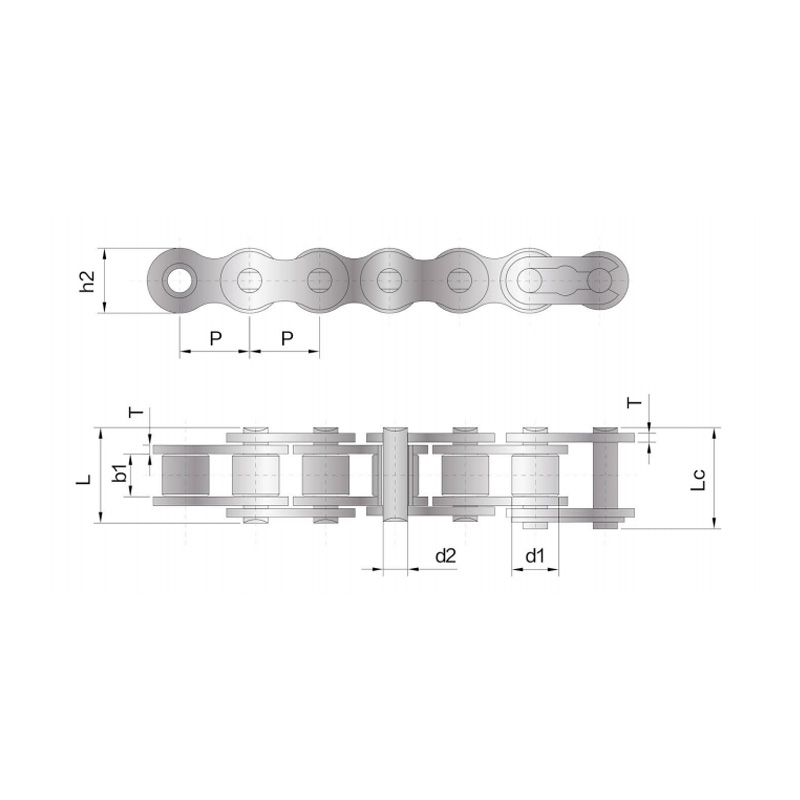
We also produce single row roller drive chains in more sizes and varieties. Customised products, sui...
See Details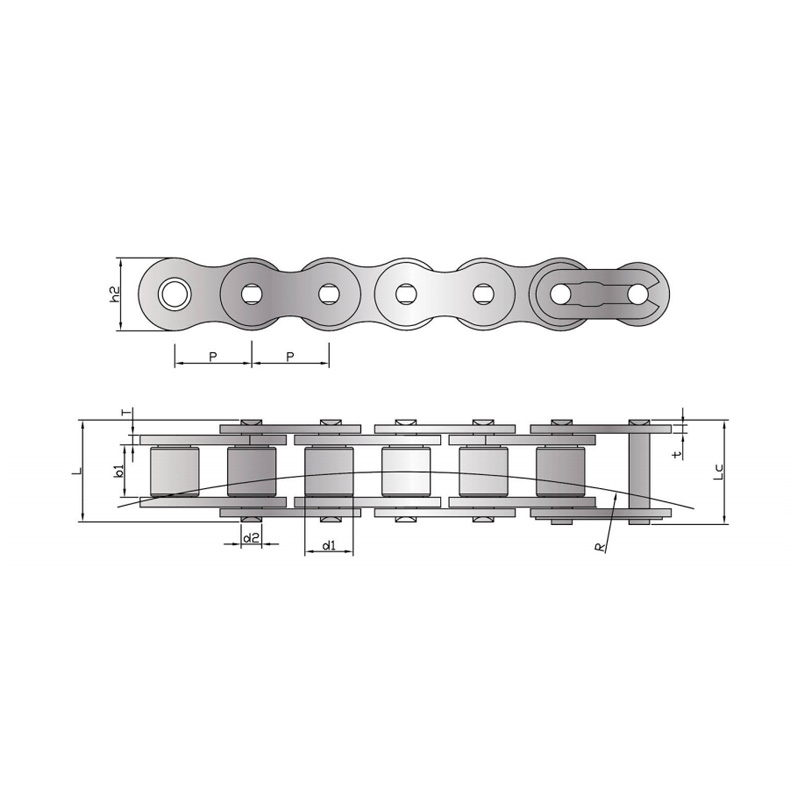
Side bow chain refers to changing the size of parts in the design of short-pitch precision roller ch...
See Details
The Anti-Sidebow chain for pushing window is a functional product with specially designed parts and ...
See Details
The A series short-pitch straight plate precision roller chain has a smaller pitch, a relatively lar...
See Details© Suzhou Fubang Machinery Chain Transmission Manufacturing Co., Ltd. Stainless Steel Roller Chains Manufacturers Conveyor Chains Suppliers
