 简体中文
简体中文 English
 русский
 Español
Fubang is a professional manufacturer specializing in the design, production and sales of stainless steel chains.
Our A series short pitch precision roller chains comply with various international standards and are...
See Details
Content
When specifying a new food processing line, many engineers ask a practical question: where do conveyor chains fit in the bigger picture of the food machinery industry? The answer determines everything from equipment layout to sanitation validation. The food machinery industry chain flows from upstream raw material suppliers—stainless steel, engineering plastics, bearings—through midstream equipment and component manufacturers, to downstream food processors and packaging operators. Conveyor chains occupy a critical midstream position because they directly contact product, endure continuous motion, and must meet hygiene regulations that other machine parts do not.
According to Mordor Intelligence, the global food machinery market is valued at 88.1 billion US dollars in 2026 and is projected to grow at a CAGR of 5.67%. Asia‑Pacific accounts for the largest share, driven by expanding processed food capacity. The FAO similarly frames the agri‑food chain to show that processing and handling equipment, especially conveyance, is a main lever for reducing post‑harvest losses. For production managers and OEM buyers, seeing the full industry chain clarifies why chain selection is never a commodity decision. Understanding food machinery industry chain solutions at this macro level is the first step toward building a resilient line.
A chain that works inside a dry warehouse will fail prematurely on a food line. The operating environment combines repeated high‑pressure washdowns, steam, acidic food residues, and aggressive cleaning chemicals. General industrial chains are not designed for constant wet‑dry cycling, and their lubricants can pose contamination risks. Food‑grade chains must satisfy HACCP protocols and, in many facilities, meet USDA or 3‑A sanitary standards.
The core differences center on materials and finishes. Any chain that touches food or splashes must resist pitting corrosion over thousands of wash cycles. Stainless steel roller and conveyor chains are the practical baseline, but selecting the right grade—304, 316, or duplex—depends on cleaner pH and chloride exposure. Plastic chains and specialty coatings solve specific challenges, yet none are universal. Procurement teams that treat food machinery chains as straightforward industrial parts risk unplanned stoppages and compliance findings.
For direct product contact transport—sushi lines, hot‑dog conveyors, bakery cooling belts—flat top chains provide a smooth, crevice‑free surface that speeds sanitation. Flat top conveyor chains are engineered with wide hinge gaps that reduce debris buildup and maintain consistent articulation even after repeated washdowns. Their modular design also simplifies section replacement without dismantling the entire line.
In processes where items must be held, rotated, or precisely transferred—chocolate enrobing, biscuit packaging, meat‑portioning lines—gripper chains and wire mesh belts become essential. Gripper chains integrate attachment carriers that position products through coating, cutting, or wrapping stages, eliminating manual repositioning. Wire mesh designs allow airflow and drainage in coating and frying lines, tackling both mechanical and thermal duties.
Choosing the correct chain starts with the plant’s sanitation protocol. A chain that survives neutral‑pH water may corrode rapidly under daily caustic foam cleaning. Temperature adds another layer: baking ovens require dimensional stability at 400°F, while spiral freezers demand ductility at -40°F. Chemical compatibility with quaternary ammonium or peracetic acid sanitizers must be verified, not assumed. The table below distills material options against these real‑world factors.
Mechanical strength is equally critical. Clean‑in‑place (CIP) jets, product surges, and start‑stop cycles impose cyclical loads that can fatigue an undersized chain. How chain material affects performance is well documented, and the following summary helps engineers match material to process.
| Material | Corrosion Resistance | Washdown Suitability | Typical Temp. Range |
|---|---|---|---|
| 304 Stainless Steel | Good | Moderate pH cleaners | -40°F–400°F |
| 316 Stainless Steel | Excellent | Aggressive caustic/acidic washdowns | -40°F–450°F |
| Coated Carbon Steel | Moderate (coating‑dependent) | Dry / light wipe‑down only | -20°F–300°F |
| Engineering Plastics (e.g., Acetal) | Inherently resistant | Mild detergents, low‑pressure rinse | 0°F–180°F |
Verify that the chain’s published tensile strength meets the load case with a safety margin of at least 6:1 for frequent washdown exposure. Under-specifying strength in a wet environment leads to rapid elongation and link fracture.
Plant data shows that over 60% of unplanned line stoppages in food facilities originate from conveying equipment, with chain elongation and link failure among the top triggers. A disciplined inspection routine catches wear before it becomes production loss. How food machinery chains improve processing line efficiency relies as much on maintenance discipline as on initial selection.
Essential practices include:
The market data points clearly: Mordor Intelligence forecasts the automation segment within food machinery to grow at 7.24% CAGR, faster than the overall 5.67% rate. This shift means conveyors are increasingly instrumented with sensors for vibration, temperature, and speed, feeding predictive maintenance platforms. For buyers, this demands chains that maintain consistent dimensional and metallurgical properties over long runs, enabling reliable signal data.
Procurement teams can act now by moving away from purely catalog‑based ordering. Request material certificates and compatibility test reports for your specific cleaning chemicals before committing to a chain specification. Custom designs—such as non‑standard attachment spacing or special pin coatings—often pay back within a single maintenance cycle. When you are ready to specify a complete conveyor chain system or need a configuration tailored to a unique production flow, contact our engineering team to discuss your processing line requirements in detail.
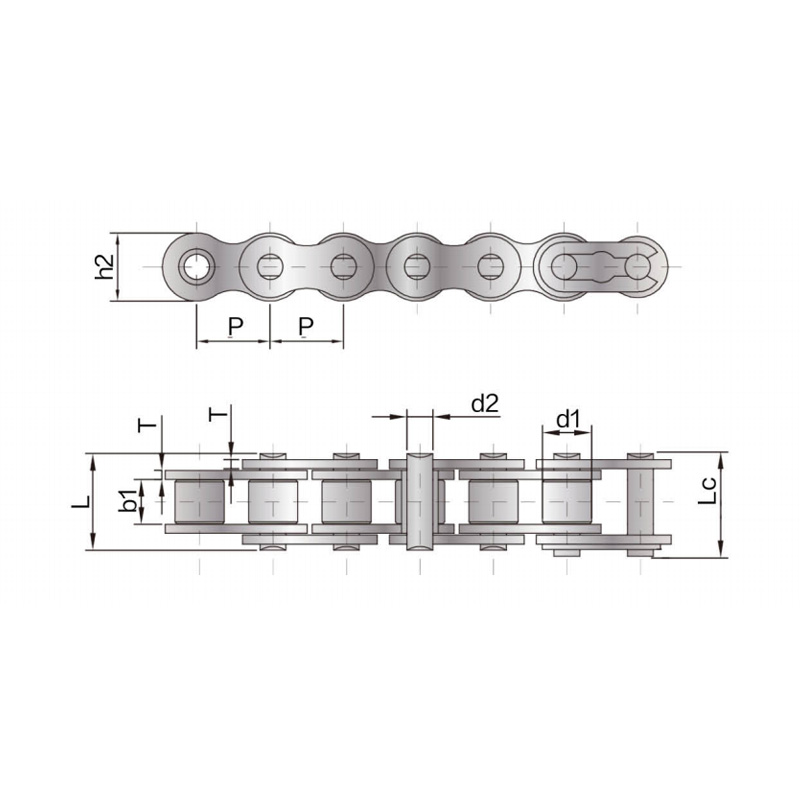
Our A series short pitch precision roller chains comply with various international standards and are...
See Details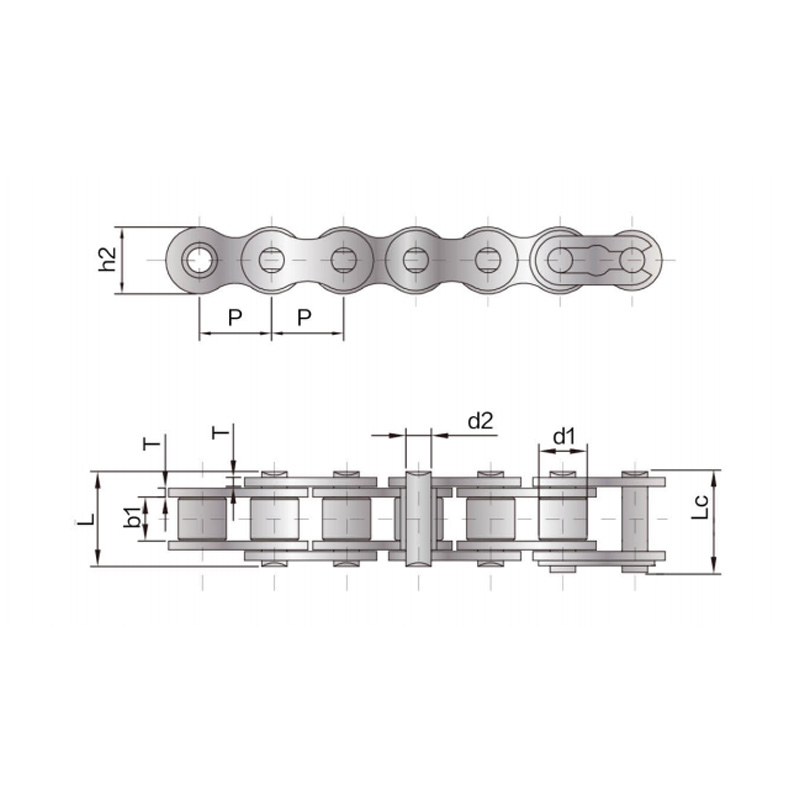
The tensile strength and fatigue strength of the B series short pitch precision roller chain reach 1...
See Details
The Heavy-duty precision roller chain adopts a thickened chain plate design based on the short-pitch...
See Details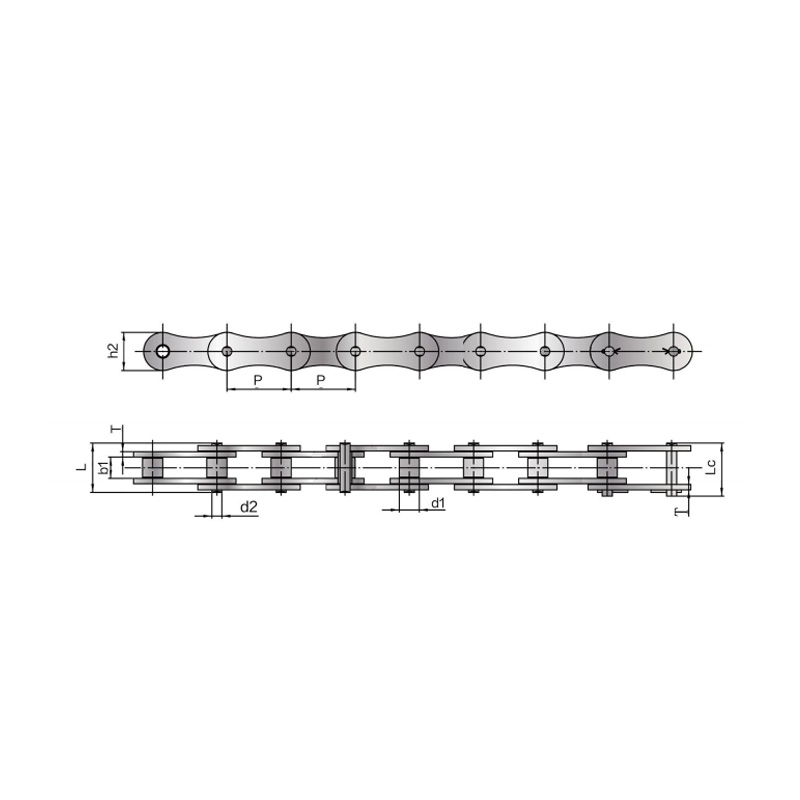
The double pitch driving chain complies with various international standards. The pitch of the doubl...
See Details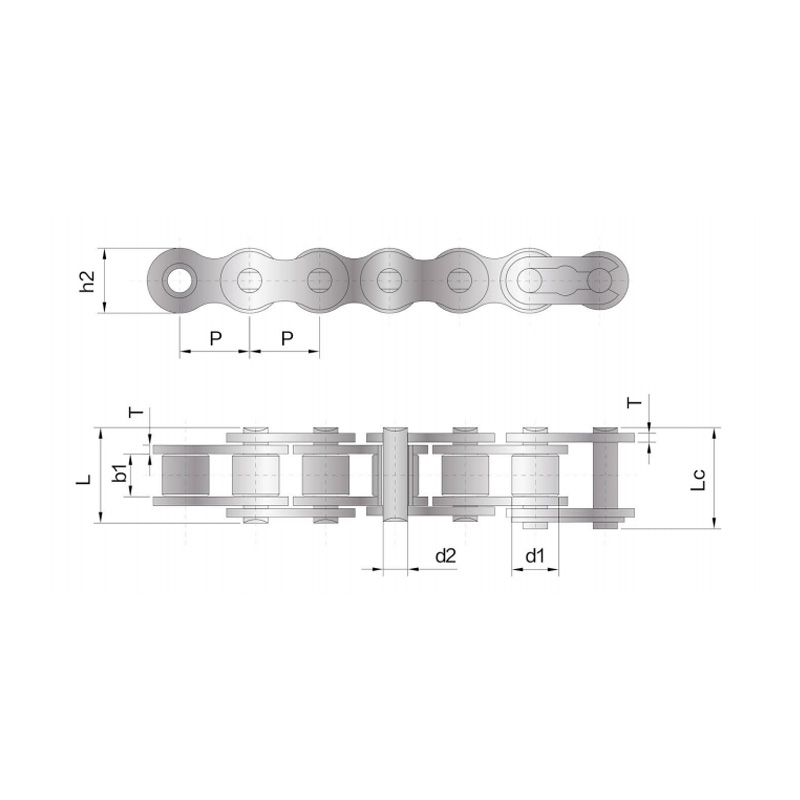
We also produce single row roller drive chains in more sizes and varieties. Customised products, sui...
See Details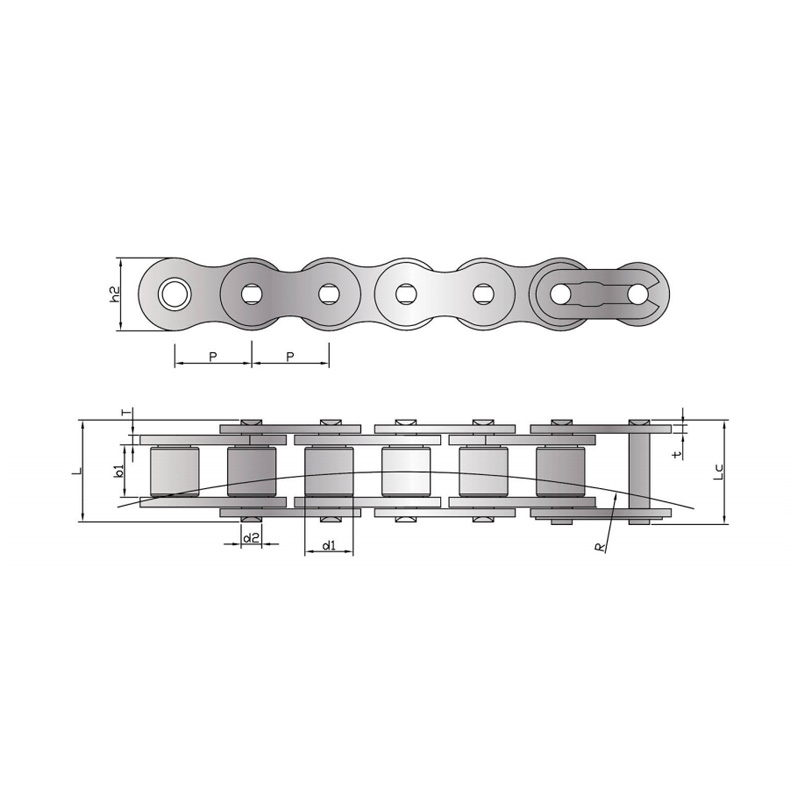
Side bow chain refers to changing the size of parts in the design of short-pitch precision roller ch...
See Details
The Anti-Sidebow chain for pushing window is a functional product with specially designed parts and ...
See Details
The A series short-pitch straight plate precision roller chain has a smaller pitch, a relatively lar...
See Details© Suzhou Fubang Machinery Chain Transmission Manufacturing Co., Ltd. Stainless Steel Roller Chains Manufacturers Conveyor Chains Suppliers
